Procedure List
At Multidisciplinary Sydney Pain, we perform a wide range of image-guided interventional pain management procedures designed to diagnose and treat chronic musculoskeletal, spinal, and nerve-related pain conditions. Hover over a procedure's name or picture for a moment to read more about it, or click through for the full page.
Facet Joint & Medial Branch Procedures
Medial Branch Block
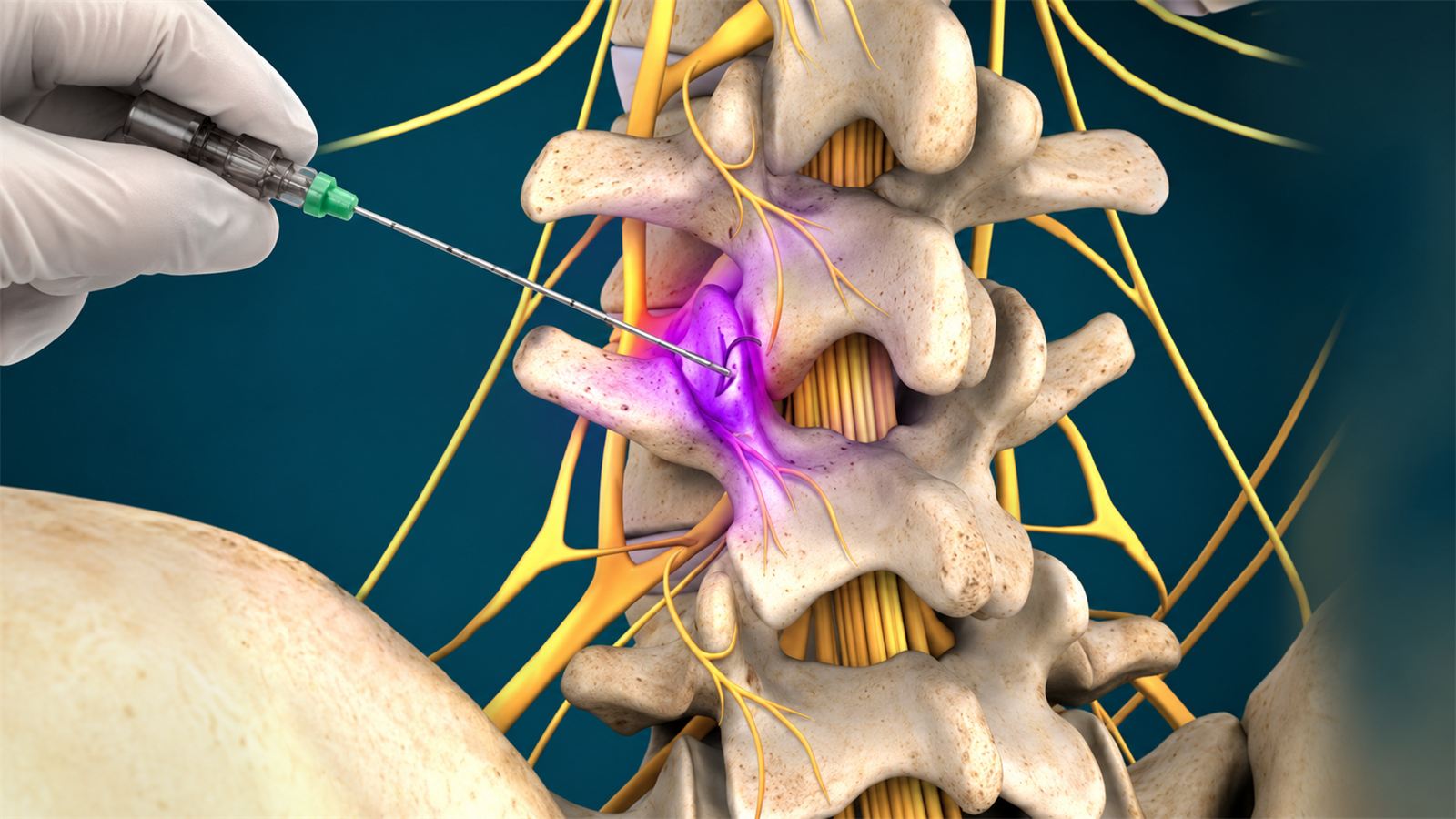
The medial branch nerves are small sensory nerves that carry pain signals from the facet joints of the spine. A medial branch block is a diagnostic procedure used when these joints are suspected to be contributing to persistent neck or back pain, particularly pain that remains mainly in the spine rather than travelling down an arm or leg.
Medial Branch Pulsed Radiofrequency Therapy and Block
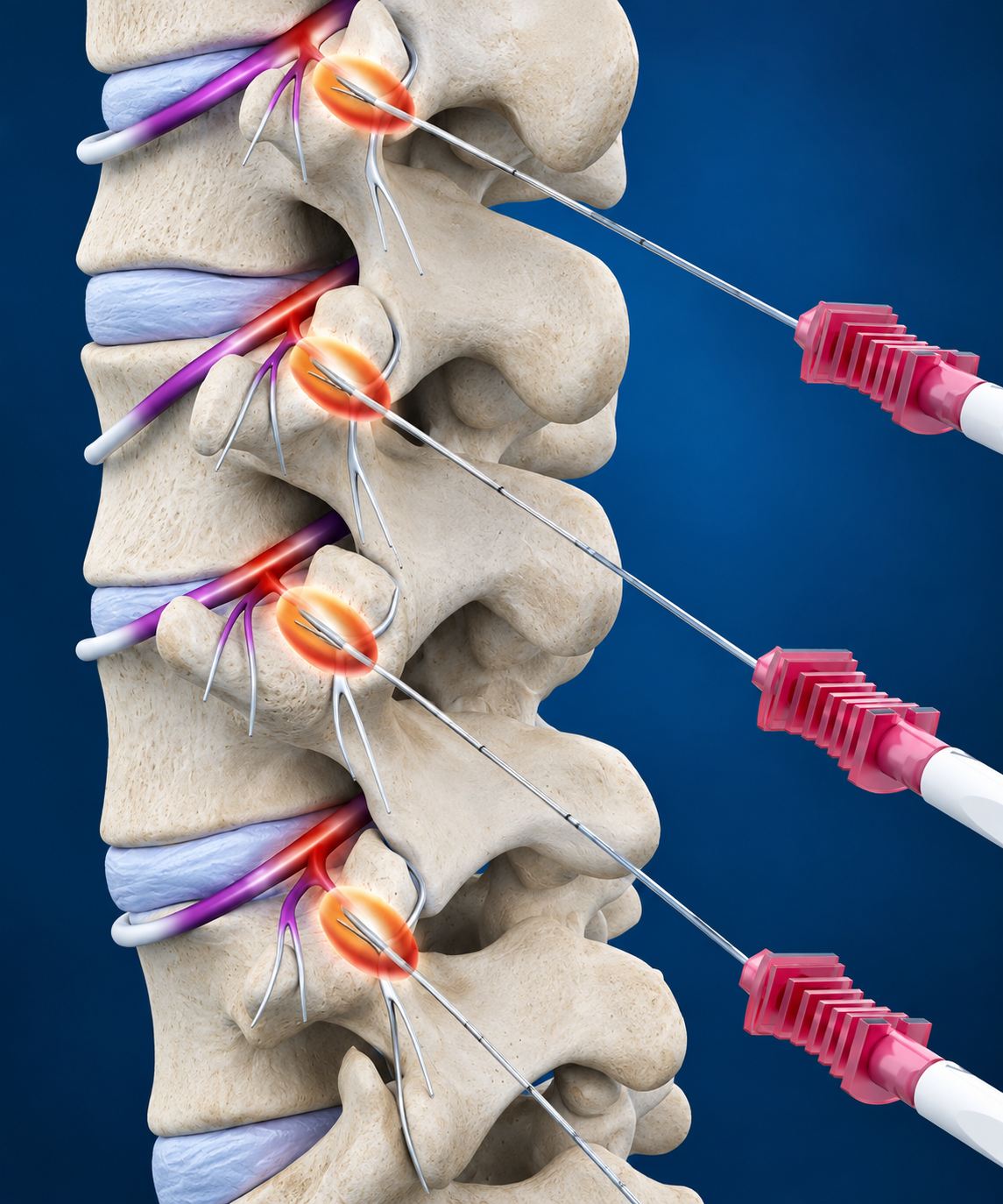
The medial branch nerves are the small sensory nerves that carry pain signals directly from the facet joints to the spinal cord, and are the specific target of this treatment for chronic facet-joint-related back or neck pain. Pulsed radiofrequency uses short bursts of electrical energy around the nerve rather than continuous heat, modulating how the nerve transmits pain signals while avoiding the higher temperatures used in thermal ablation.
Medial Branch Thermal Radiofrequency Ablation/Neurotomy and Block
This procedure applies thermal (heat-based) radiofrequency ablation to the medial branch nerves — the small nerves that carry pain signals from the facet joints — for patients with confirmed facet-joint-related back or neck pain. Where a diagnostic medial branch block has clearly, if temporarily, relieved your pain, thermal radiofrequency offers a longer-lasting treatment by creating a precise, controlled heat lesion at the nerve.
Epidural Steroid Injections
Caudal Epidural Steroid Injection
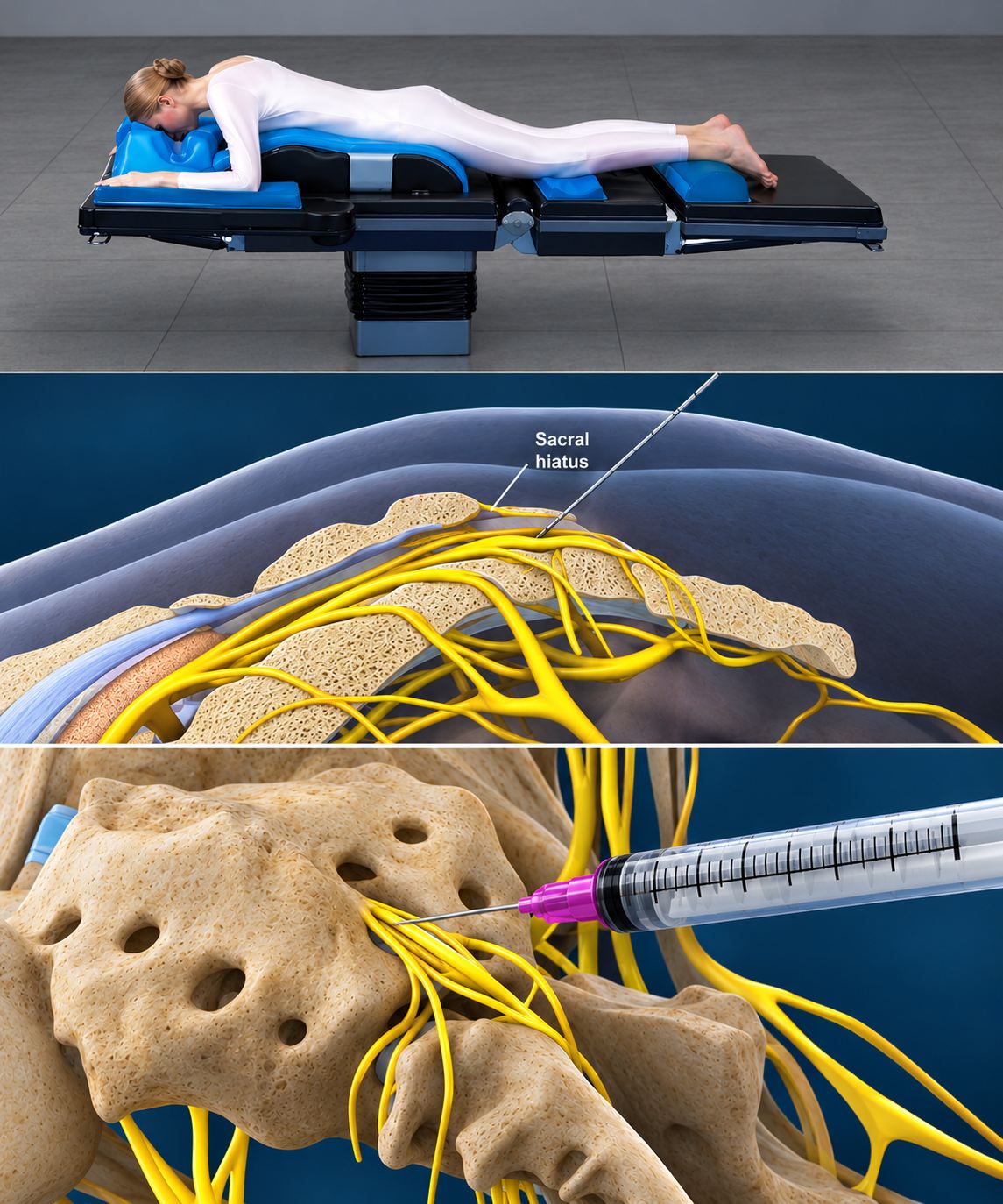
A caudal epidural steroid injection delivers anti-inflammatory medication directly into the lower epidural space via the sacral hiatus, a small natural opening near the tailbone. It is a well-established option for lower back and leg pain arising from irritated or inflamed nerve roots in the lower lumbar and sacral spine, such as from a disc bulge, disc herniation or spinal stenosis.
TFESI (Transforaminal Epidural Steroid Injection)
A transforaminal epidural steroid injection (TFESI) is a targeted treatment for nerve root pain — commonly sciatica or similar radiating arm or leg pain — that delivers anti-inflammatory medication precisely to the specific nerve root thought to be causing your symptoms. By entering through the small natural opening (foramen) where the nerve root exits the spine, this approach allows very focused delivery compared with less targeted epidural techniques.
TESI (Thoracic Epidural Steroid Injection)
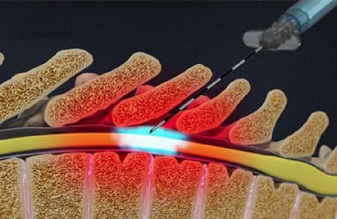
A thoracic epidural steroid injection (TESI) delivers anti-inflammatory medication into the epidural space of the mid-back through an interlaminar approach between the thoracic vertebrae. It is an established treatment option for thoracic nerve root irritation and pain associated with conditions such as disc problems, degenerative changes, or spinal stenosis. The injection aims to reduce inflammation around the affected nerves and may help relieve pain that radiates from the mid-back around the chest or abdominal wall.
LESI (Lumbar Epidural Steroid Injection)
%20radicular%20pain%20low%20back%20pain%20specialist%20Dr%20Mazyar%20Danesh%20Multisciplinary%20Sydney%20Pain%20Centre%20MDSPC.jpg)
A lumbar epidural steroid injection (LESI) delivers anti-inflammatory medication into the epidural space of the lower back through a midline approach between the vertebrae, and is a well-established treatment for lower back and leg pain associated with disc problems or spinal stenosis. Unlike the more targeted transforaminal approach, the interlaminar technique used for a LESI spreads medication more broadly across the epidural space, which can be useful when pain or nerve irritation is not confined to a single, clearly defined nerve root.
Caudal Epidural Steroid Injection
A cervical epidural steroid injection (CESI) delivers anti-inflammatory medication into the epidural space of the neck, and is used for chronic neck pain and pain radiating into the arm caused by irritated cervical nerve roots — for example from a cervical disc bulge, herniation or foraminal narrowing. Because of the more delicate anatomy of the neck, this procedure requires particular precision and is performed with meticulous X-ray guidance throughout.
Peripheral Nerve Blocks & Ablation Procedures
Suprascapular Nerve Block
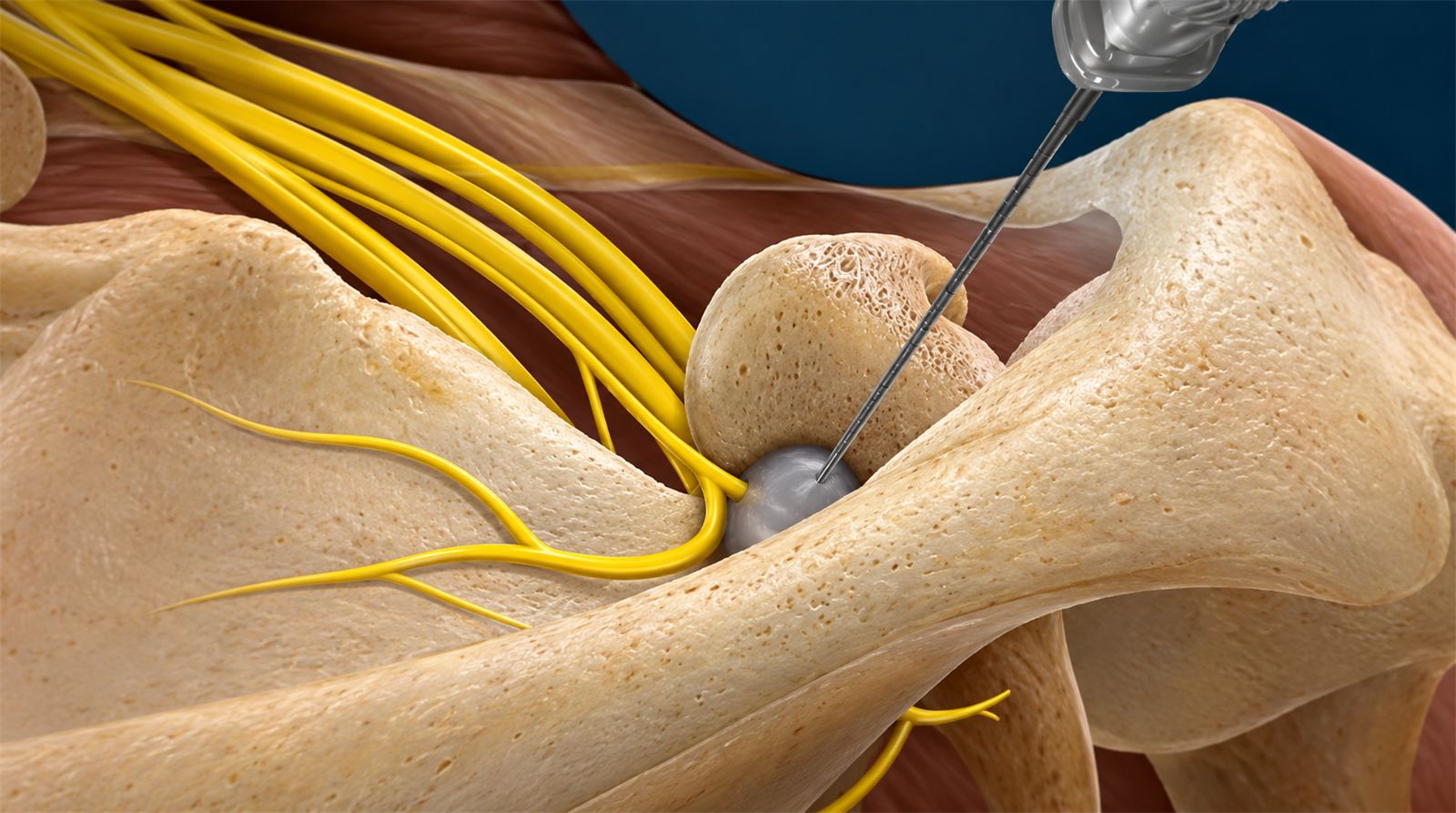
The suprascapular nerve supplies sensation to a substantial part of the shoulder joint and can contribute to pain associated with conditions such as shoulder osteoarthritis, rotator cuff disease and frozen shoulder. A suprascapular nerve block may be considered when shoulder pain has not improved adequately with medication, physiotherapy or other conservative treatments.
Suprascapular Nerve Pulsed Radiofrequency and Block
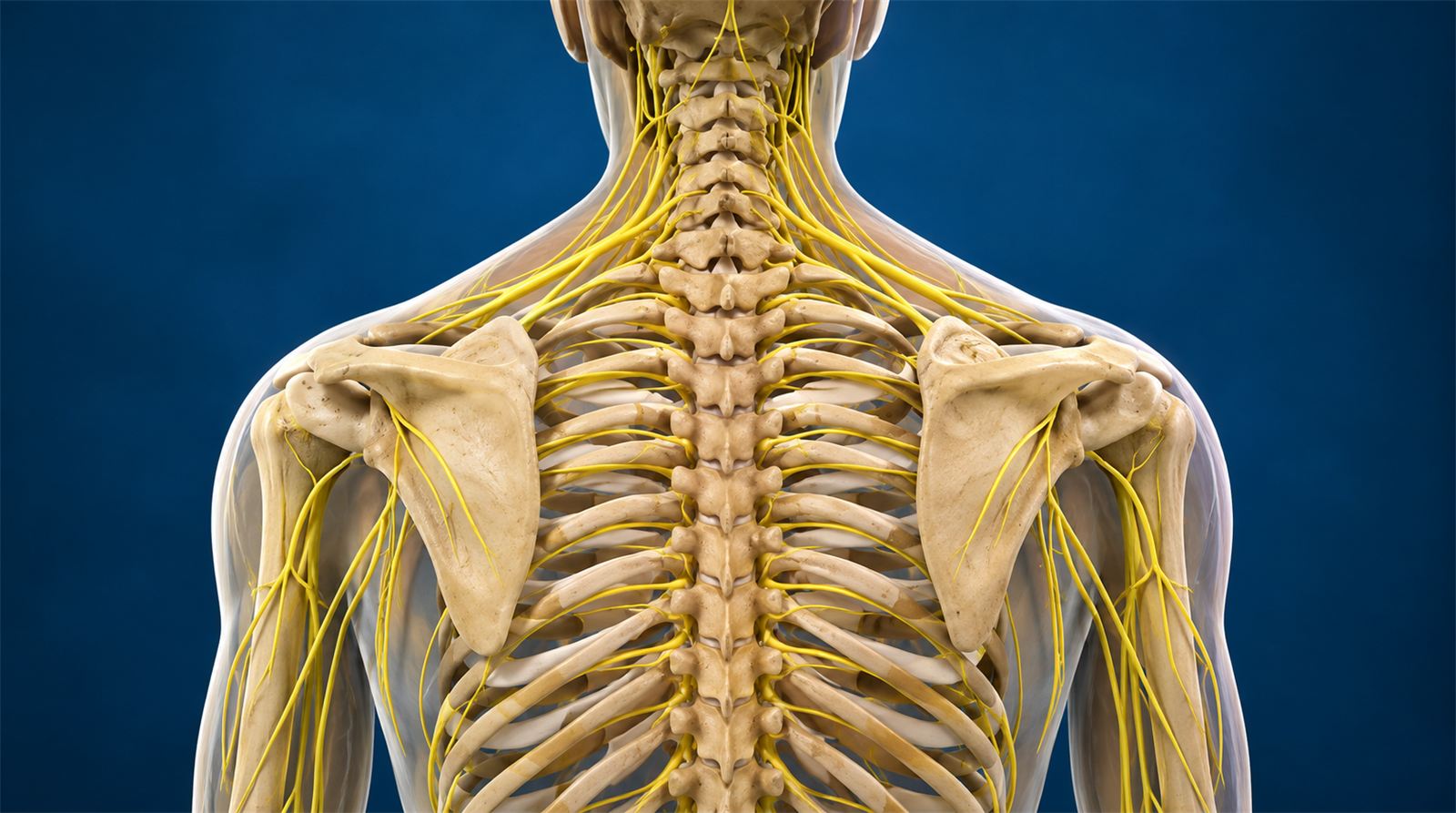
The suprascapular nerve supplies sensation to a large part of the shoulder joint, and is a common target for treating chronic shoulder pain — including from rotator cuff disease, adhesive capsulitis (frozen shoulder) or shoulder osteoarthritis — particularly when the shoulder itself is not a candidate for, or has not settled with, other treatments. Targeting this single nerve can meaningfully reduce shoulder pain while largely preserving the joint's normal movement.
Occipital Nerves Block
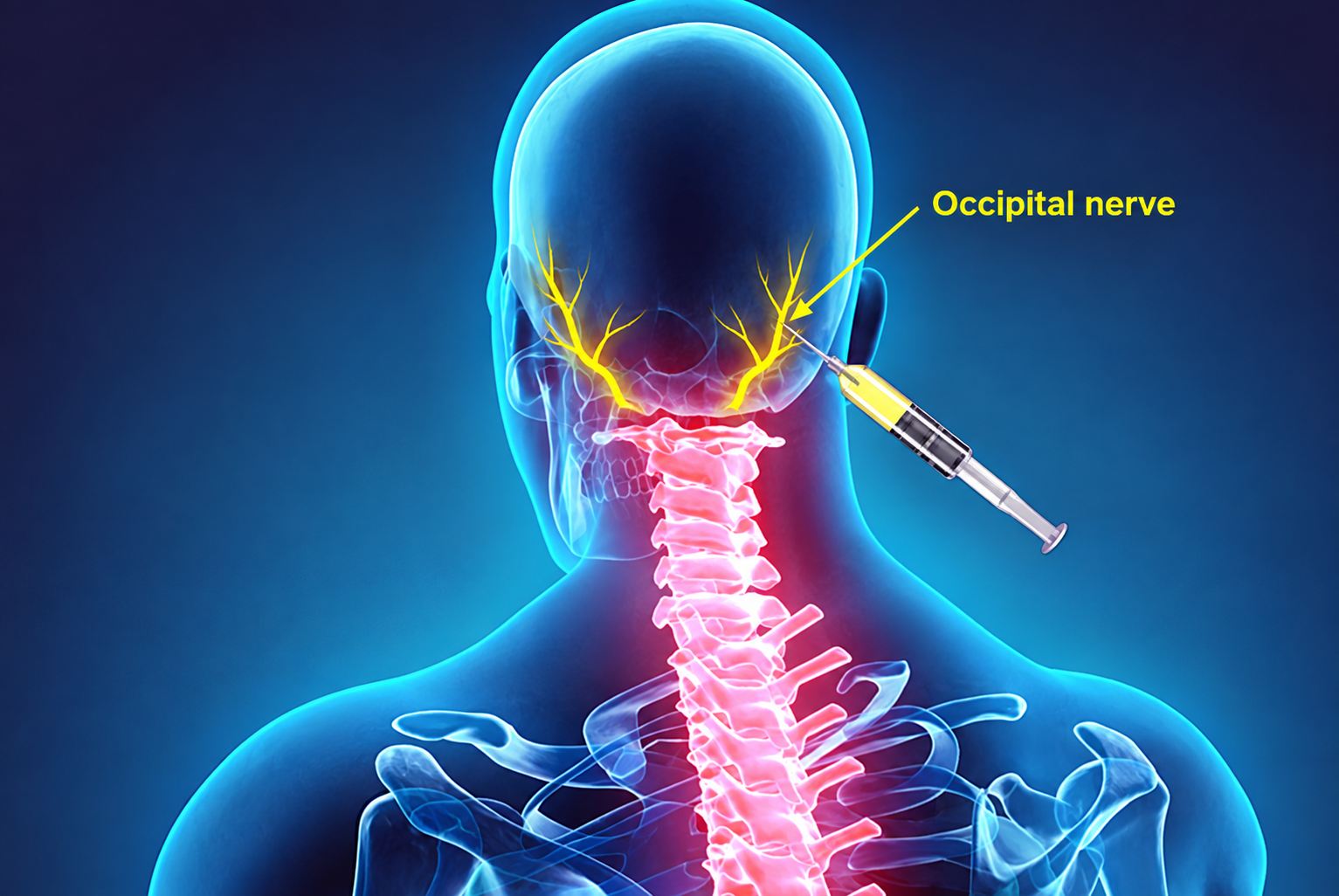
The greater and lesser occipital nerves, and in some cases the third occipital nerve, carry sensation from the back of the scalp and upper neck. An occipital nerve block may be considered for occipital neuralgia, cervicogenic headache and selected headache disorders when pain remains troublesome despite other treatments.
Occipital Nerves Pulsed Radiofrequency and Block
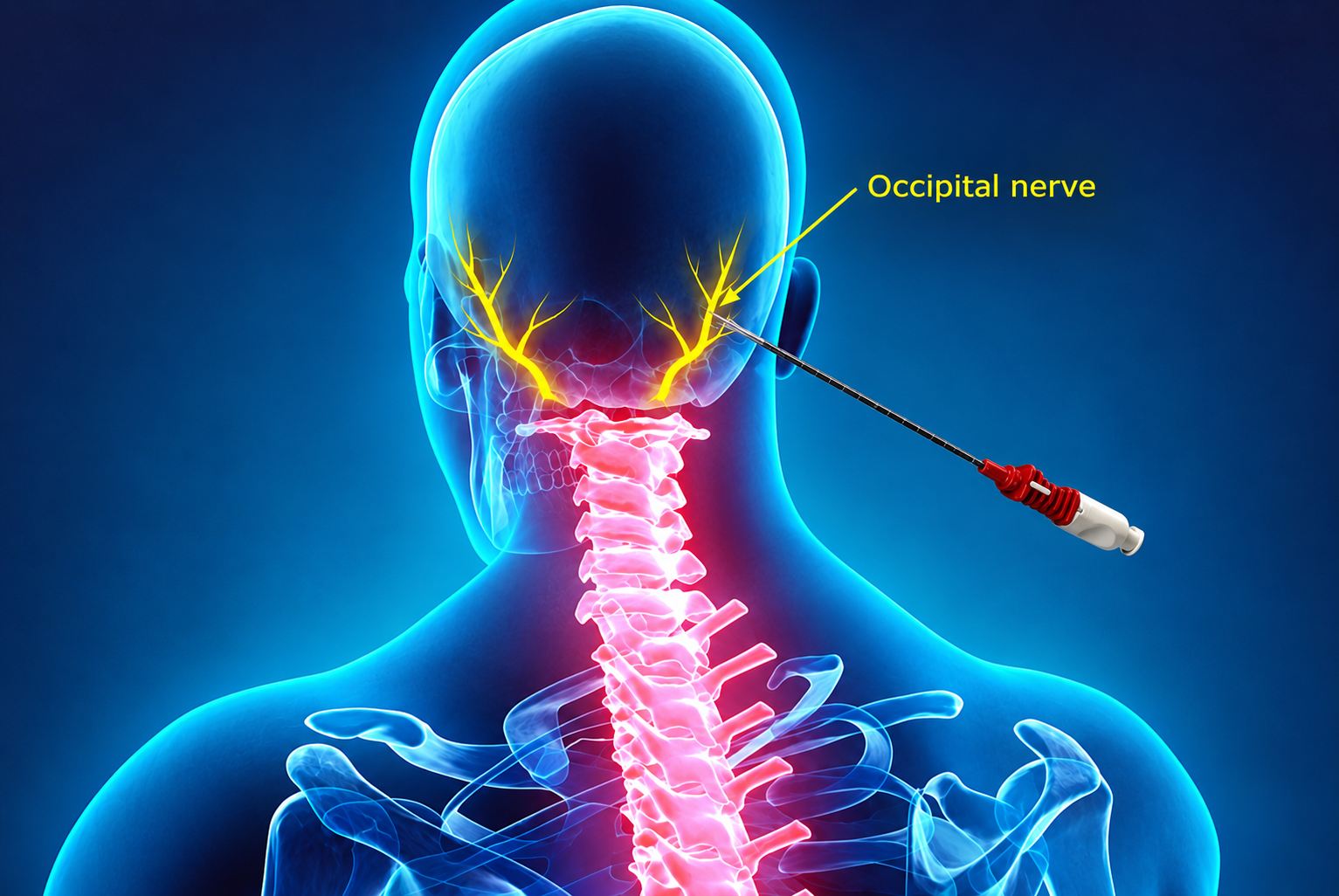
Chronic headaches originating from the back of the head and upper neck — including cervicogenic headache and occipital neuralgia — often involve the greater occipital nerve (GON), third occipital nerve (TON) and the surrounding suboccipital structures. This procedure targets these nerves directly, offering a treatment option when medication and physical therapies have not adequately controlled these headaches.
Genicular Nerve Thermal Radiofrequency Neurotomy/Ablation
%20-%20Copy.jpg)
The genicular nerves supply sensation to the knee joint and are an effective target for chronic knee pain, most commonly from osteoarthritis, particularly for patients who are not yet ready for, or not suitable candidates for, knee replacement surgery. This procedure aims to reduce knee pain by interrupting these sensory nerves while preserving the knee's normal structure and movement.
Intercostal Nerve Block
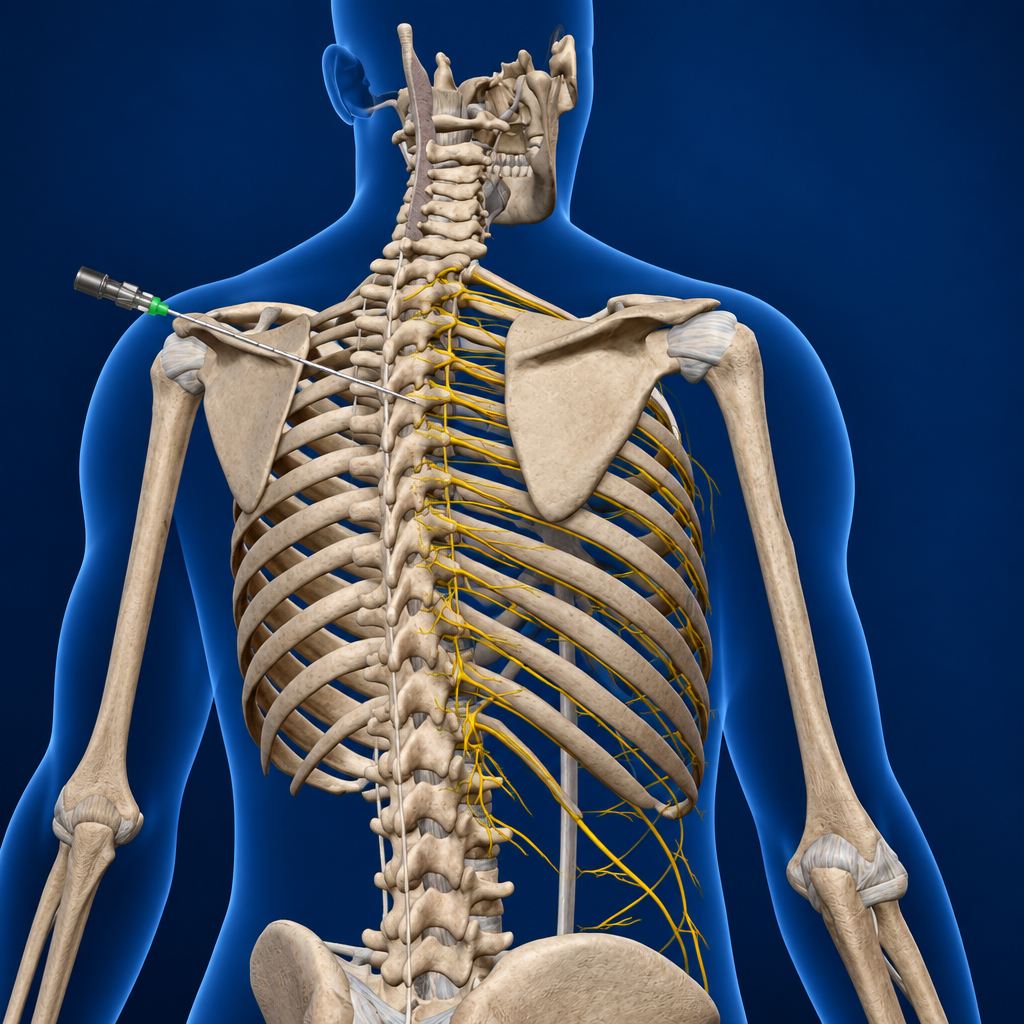
The intercostal nerves run between the ribs and carry sensation from the chest and abdominal wall. An intercostal nerve block may be used for localised chest-wall or upper abdominal pain, including selected cases of pain following surgery, trauma or shingles, when a particular intercostal nerve is suspected to be involved.
Intercostal Nerve Pulsed Radiofrequency
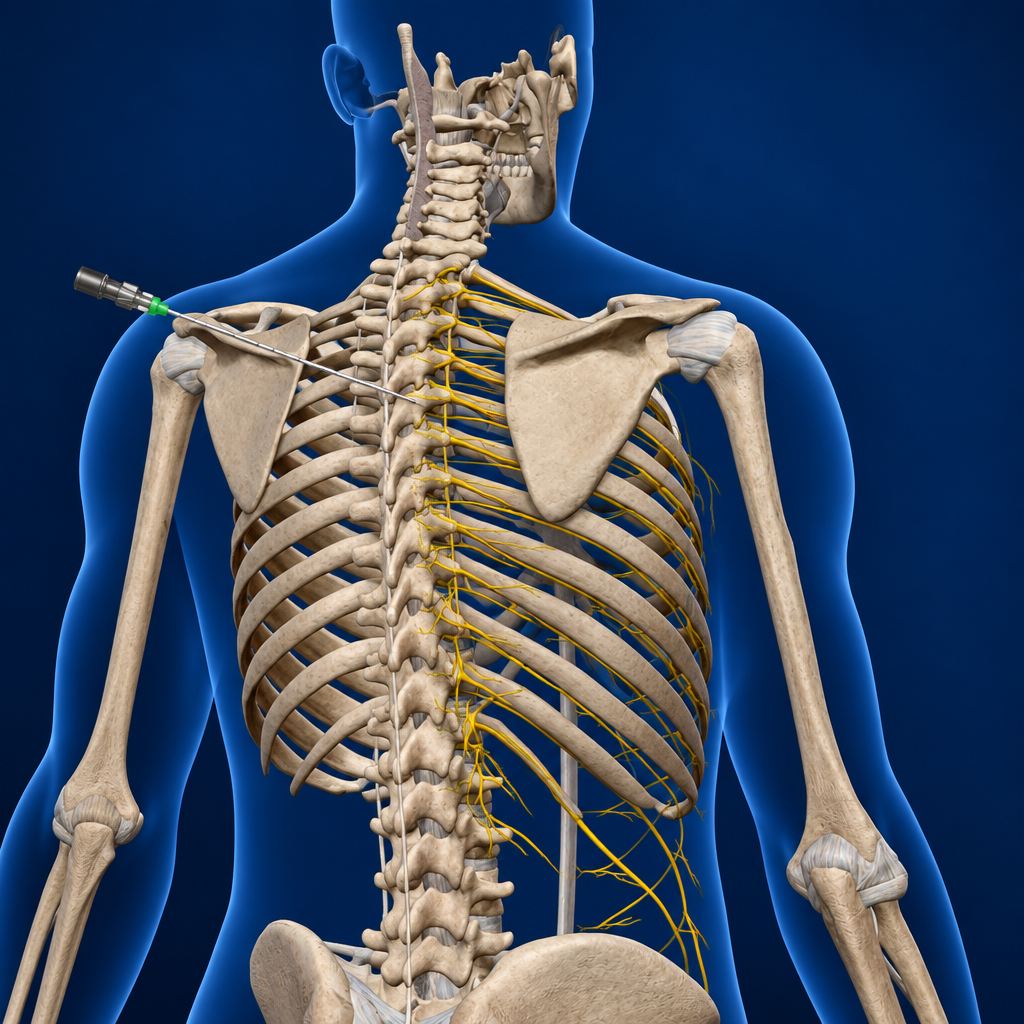
Pulsed radiofrequency (PRF) of an intercostal nerve is a treatment option for persistent, localised chest-wall or upper abdominal pain when the intercostal nerve is thought to be an important pain generator. It may be considered when conservative treatment and diagnostic nerve blocks have not provided sufficiently lasting relief.
Ilioinguinal Nerve, Iliohypogastric Nerve, Genitofemoral Nerve Block
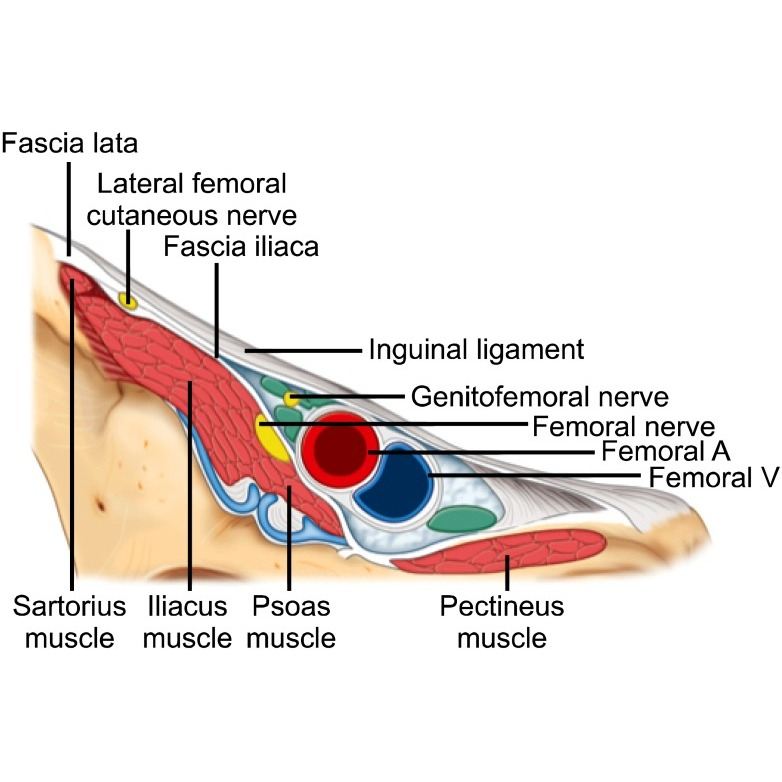
The ilioinguinal, iliohypogastric and genitofemoral nerves supply sensation to parts of the lower abdomen, groin, upper inner thigh and genital region. Irritation of these nerves can contribute to persistent groin or lower abdominal pain, including pain following abdominal or groin surgery, hernia repair or other local injury.
Ilioinguinal Nerve, Iliohypogastric Nerve, Genitofemoral Nerve Pulsed Radiofrequency and Block
Pulsed radiofrequency of the ilioinguinal, iliohypogastric and/or genitofemoral nerves may be considered for persistent groin or lower abdominal neuropathic pain when a diagnostic nerve block has provided meaningful but temporary relief. These nerves can become painful or hypersensitive after surgery, hernia repair, trauma or other local injury.
Pudendal Nerve Block
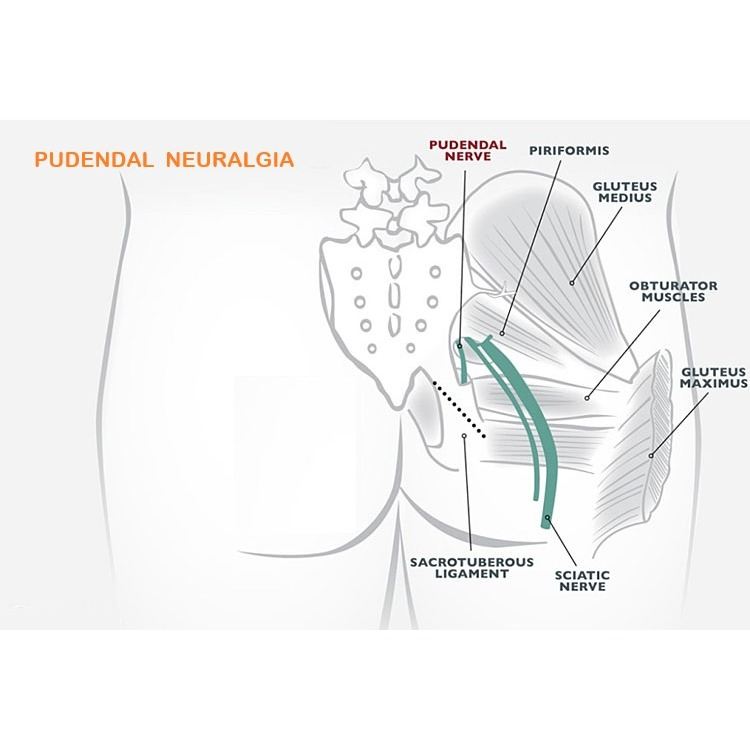
The pudendal nerve carries sensation from the perineum and contributes to pelvic floor function. Pudendal nerve irritation can cause persistent pelvic, perineal or genital pain, sometimes described as burning, shooting or electric-shock-like. A pudendal nerve block may be considered when the clinical pattern suggests pudendal neuralgia or another pudendal nerve pain syndrome.
Pudendal Nerve Pulsed Radiofrequency and Block
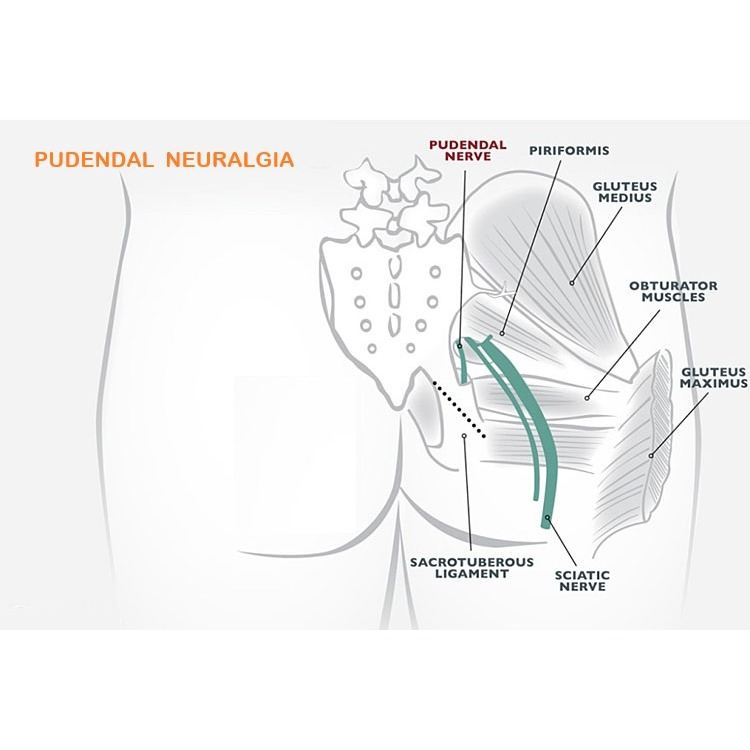
Pudendal nerve pulsed radiofrequency is an option for selected patients with persistent pudendal neuralgia or neuropathic pelvic pain who have obtained meaningful but temporary relief from a pudendal nerve block. The aim is to reduce abnormal pain signalling from the affected nerve while avoiding destructive thermal ablation.
Sympathetic & Ganglion Blocks
Trigeminal Ganglion Block
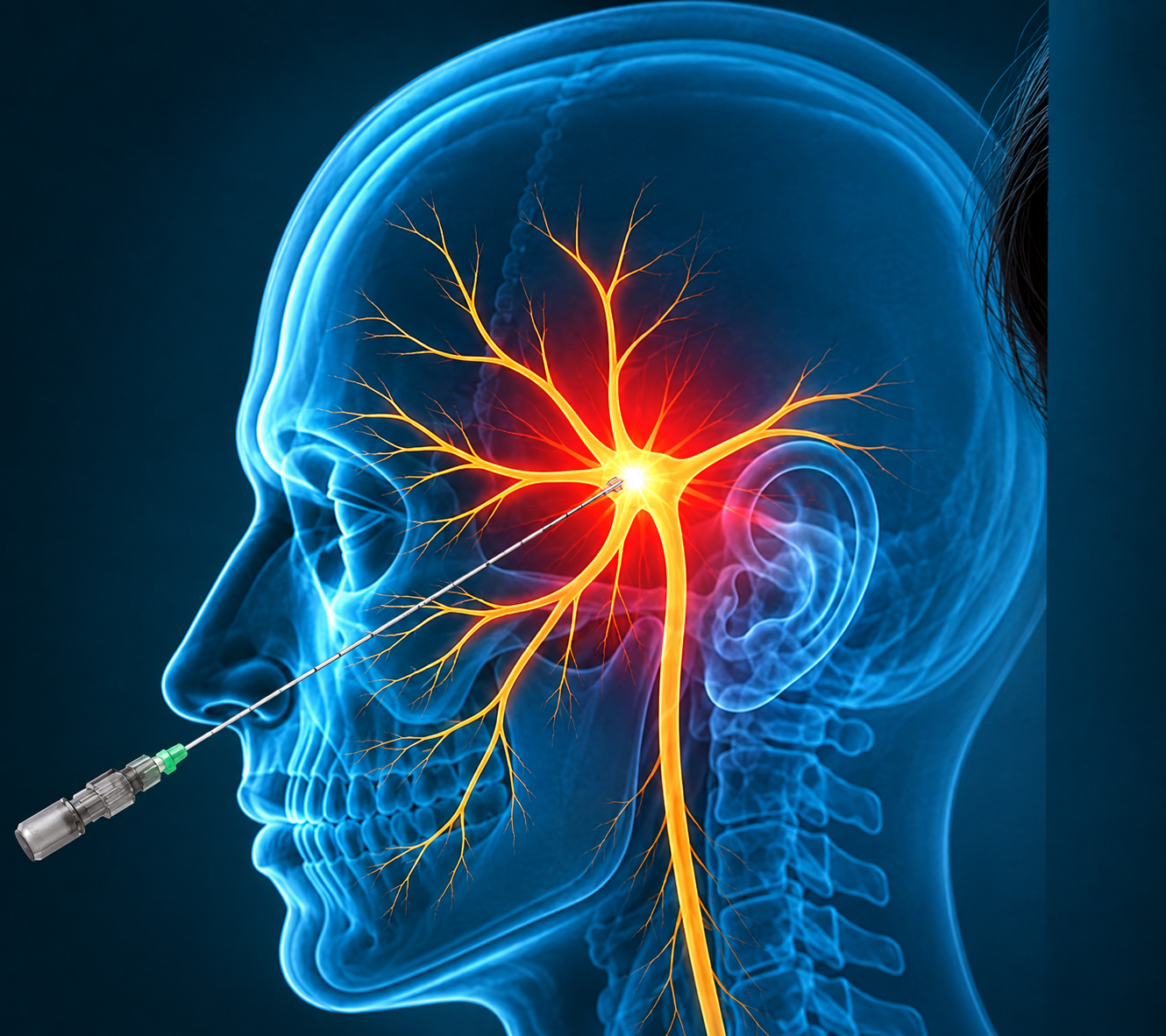
The trigeminal nerve carries sensation from the face, and its ganglion (a cluster of nerve cell bodies at the base of the skull) is a key target for treating severe, often shock-like facial pain such as trigeminal neuralgia. This procedure aims to reduce pain signalling from the ganglion when medication alone has not adequately controlled symptoms, or is poorly tolerated.
Trigeminal Ganglion Pulsed Radiofrequency and Block
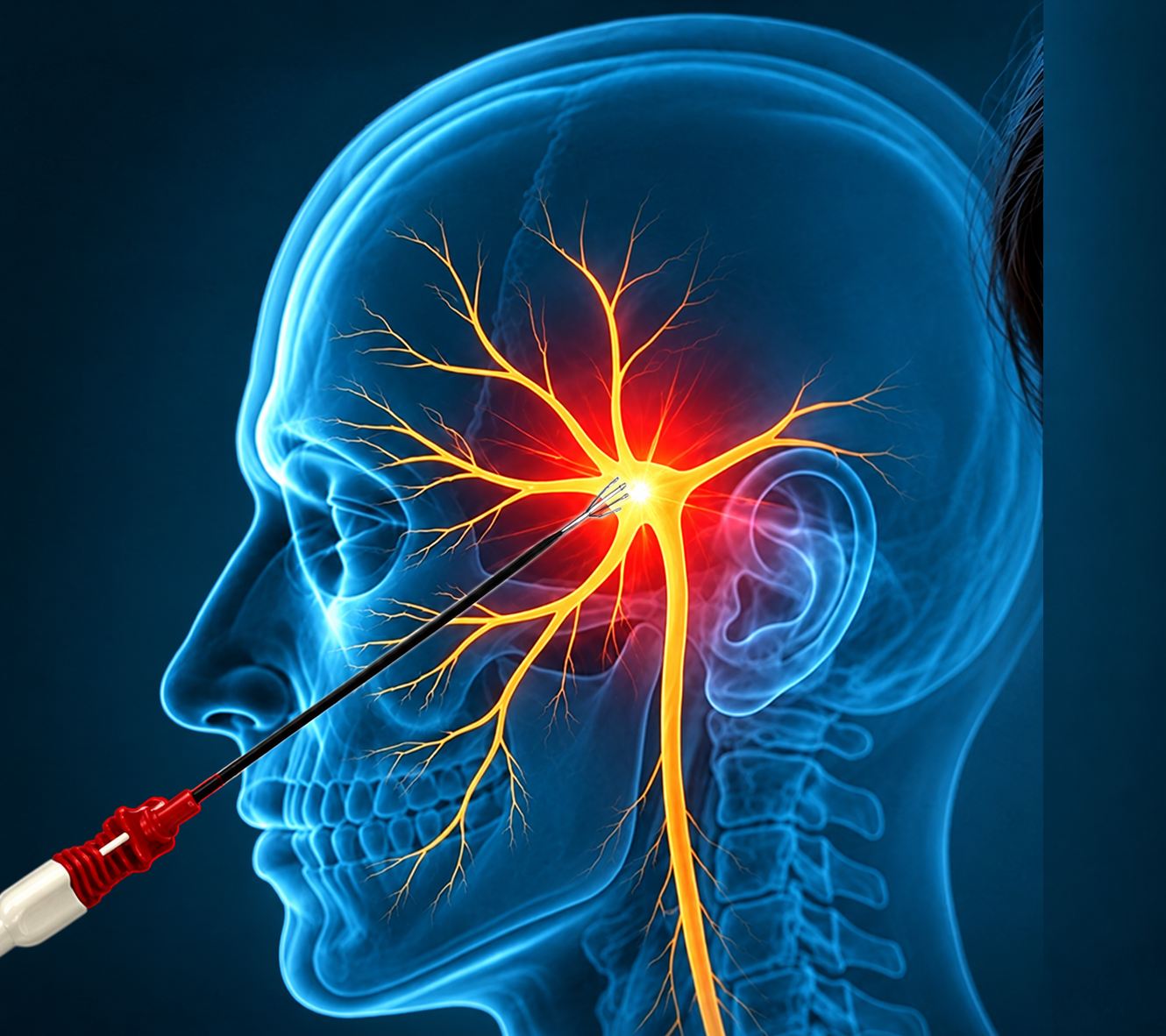
The trigeminal ganglion is a collection of nerve cell bodies that carries sensation from the face. Pulsed radiofrequency treatment may be considered for carefully selected patients with severe facial pain, particularly trigeminal neuralgia, when medication and other treatments have not provided adequate control and a trigeminal ganglion block has demonstrated a useful response.
Stellate Ganglion Block
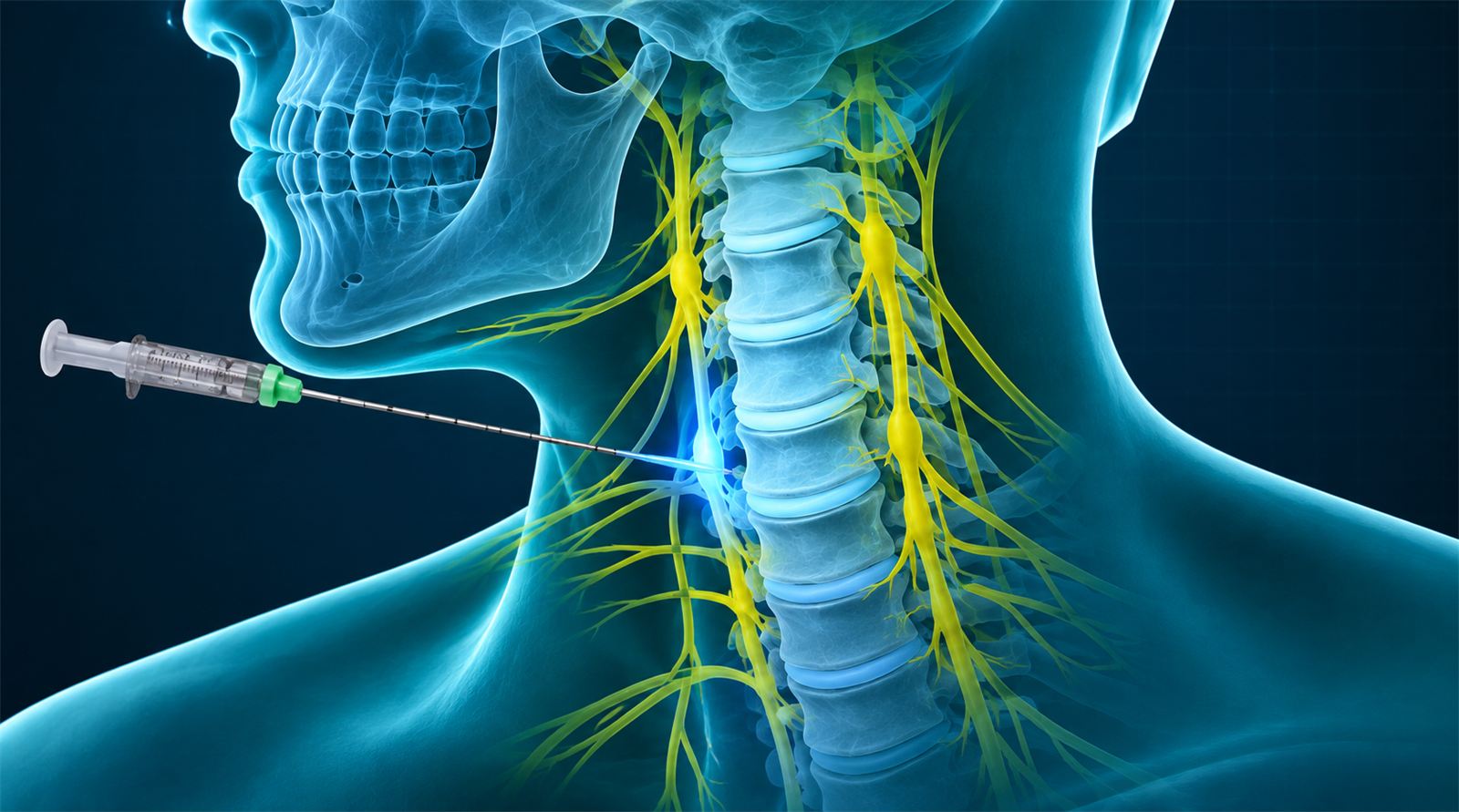
The stellate ganglion is part of the sympathetic nervous system in the lower neck and influences blood flow and nerve activity to the head, neck and upper limb. A stellate ganglion block may be considered for selected patients with sympathetically mediated pain, including some cases of complex regional pain syndrome (CRPS) affecting the arm or hand.
Stellate Ganglion Pulsed Radiofrequency Block
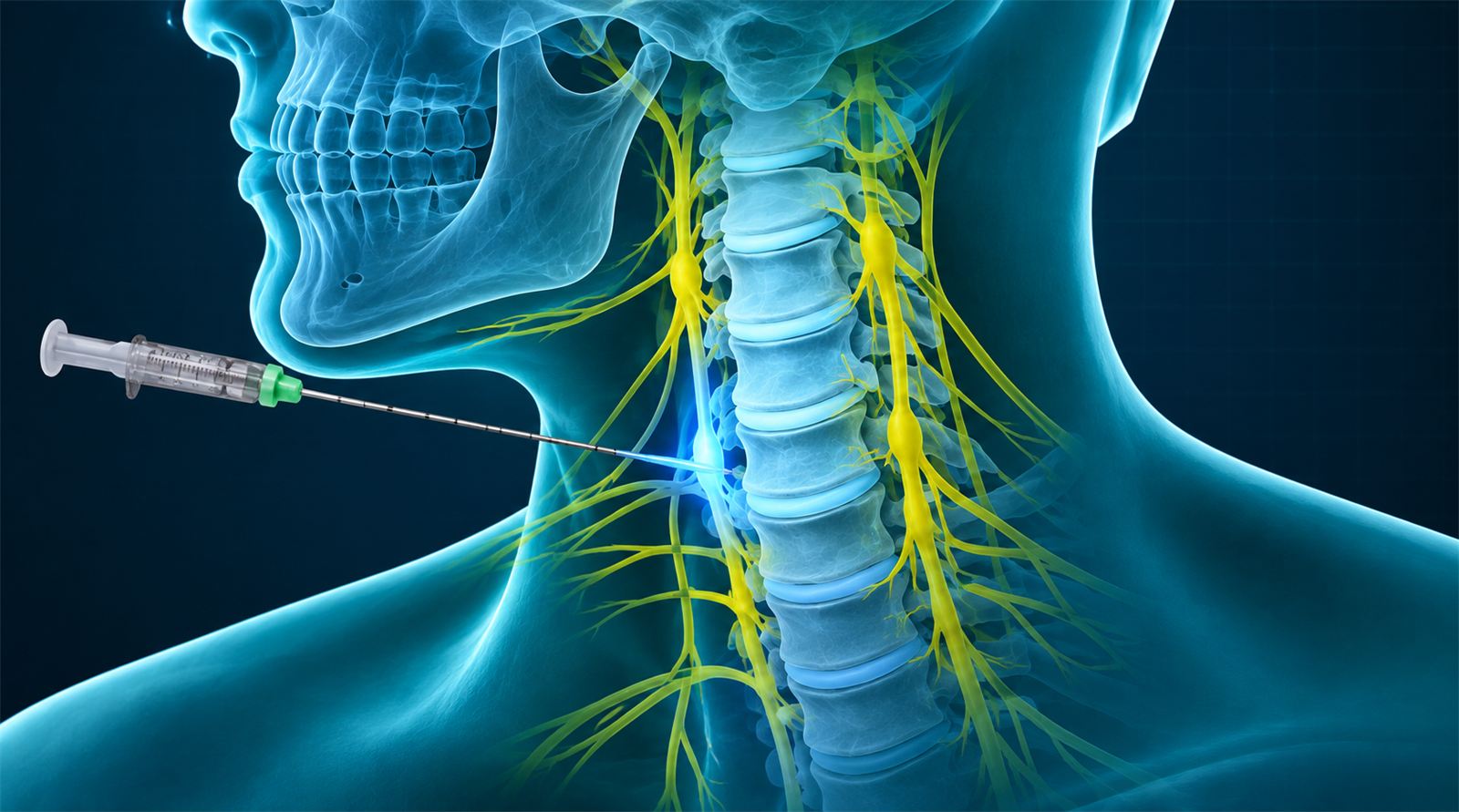
The stellate ganglion is a cluster of sympathetic nerve tissue in the neck that regulates blood flow and nerve activity to the head, neck and arm on that side, and can play a significant role in conditions such as complex regional pain syndrome (CRPS) affecting the arm. Targeting this ganglion can help calm an overactive sympathetic nervous system that is contributing to pain, swelling or temperature changes in the affected limb.
Lumbar Sympathetic Block
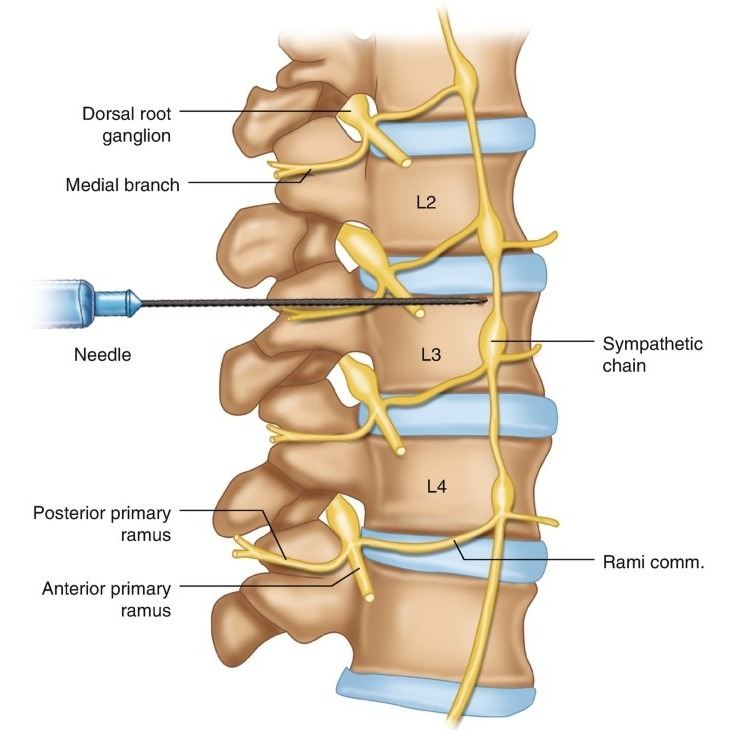
The lumbar sympathetic chain is a group of nerves alongside the lumbar spine that influences blood flow and nerve activity in the lower limbs. A lumbar sympathetic block may be considered for selected patients with sympathetically mediated lower-limb pain, including some cases of complex regional pain syndrome (CRPS).
Lumbar Sympathetic Chain Pulsed Radiofrequency and Block
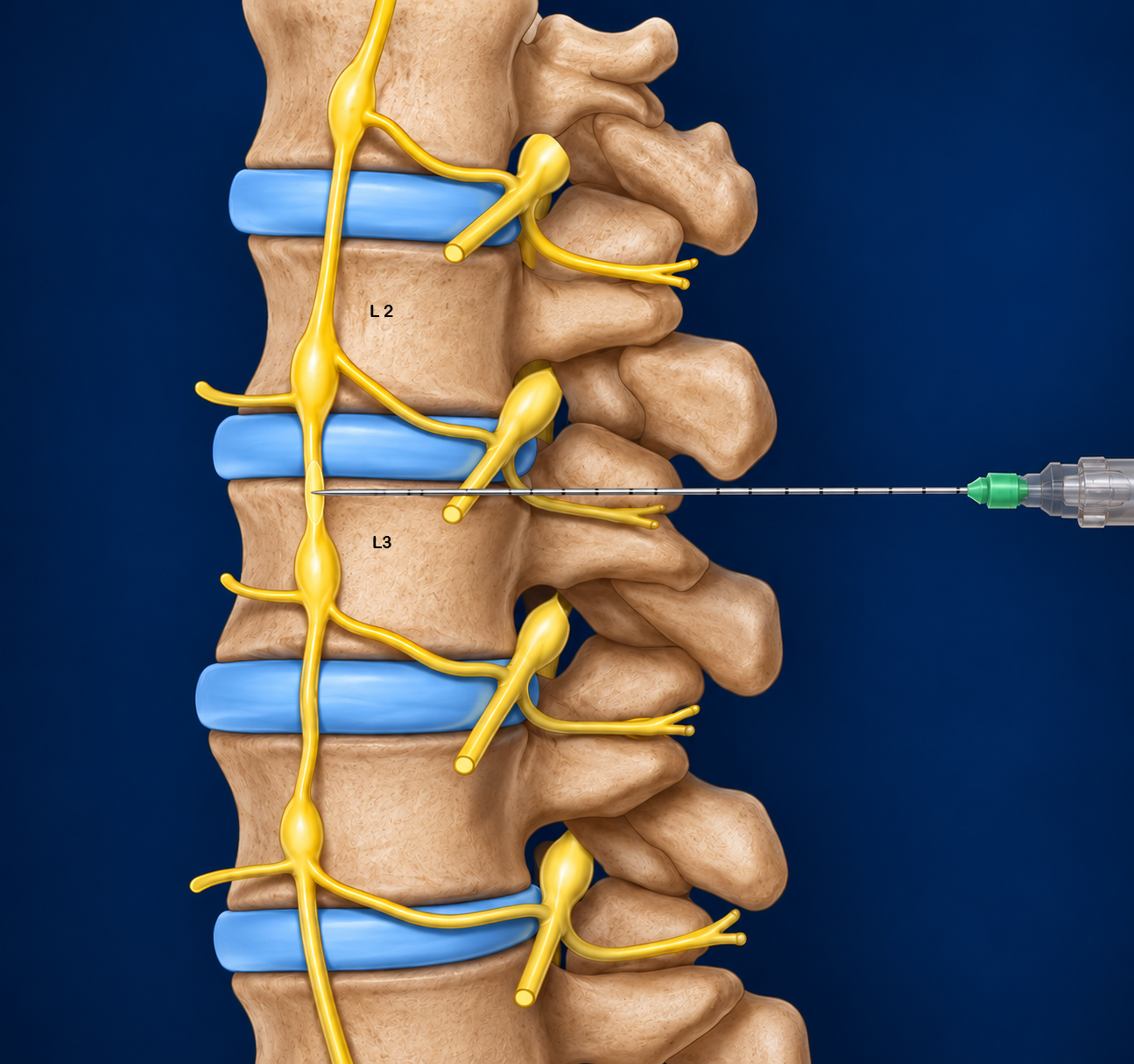
The lumbar sympathetic chain regulates blood flow and nerve activity to the legs, and can become an important contributor to pain in conditions such as complex regional pain syndrome (CRPS) of the lower limb, as well as some peripheral vascular pain conditions. This procedure targets that chain of nerves directly, alongside the spine in the lower back.
Dorsal Root Ganglion Block
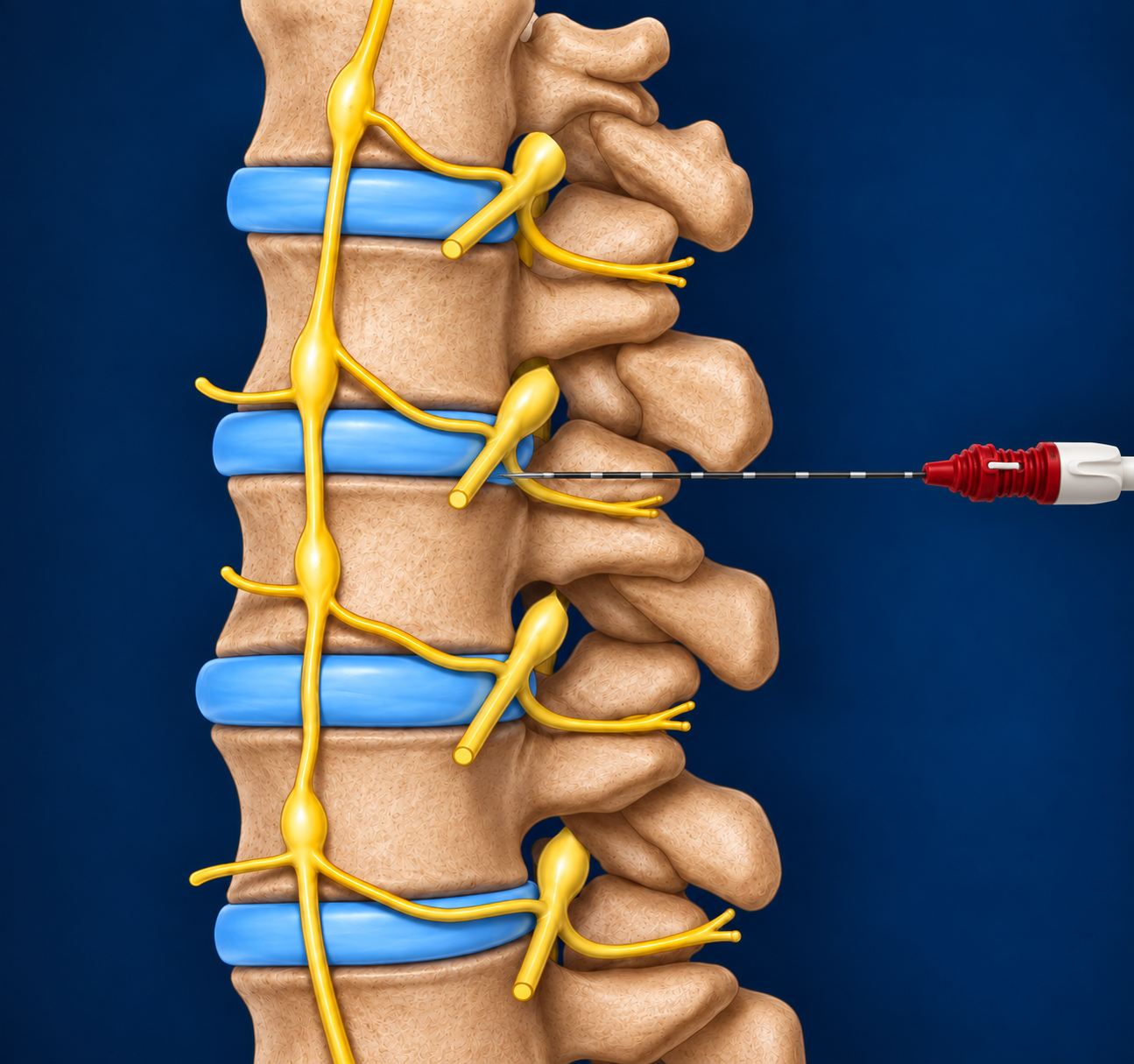
The dorsal root ganglion (DRG) is a small cluster of nerve cells located just outside the spinal canal where sensory information from a particular area of the body enters the nervous system. A DRG block may be considered when a specific nerve root or sensory distribution is suspected to be responsible for persistent radicular or neuropathic pain.
Dorsal Root Ganglion Pulsed Radiofrequency and Block
The dorsal root ganglion (DRG) is a cluster of nerve cell bodies just outside the spinal canal that plays a key role in relaying and amplifying pain signals from a specific area of the body, making it an important and precise target for certain chronic neuropathic pain conditions. This procedure aims to calm activity at this specific ganglion, reducing pain arising from the corresponding nerve distribution.
Rami Communicans Pulsed Radiofrequency and Block
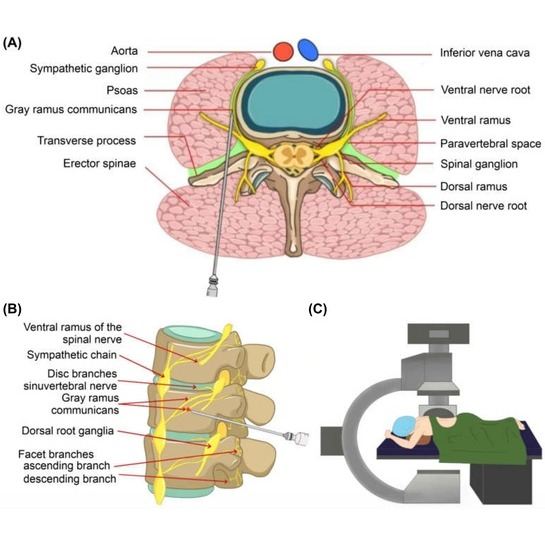
The rami communicantes are small nerve branches that carry pain signals from the intervertebral discs and connect the spinal nerves to the sympathetic chain, and are an important treatment target for chronic discogenic back pain — pain arising directly from a damaged or degenerated disc rather than a nerve root or facet joint. This procedure aims to reduce pain signalling along this specific pathway.
Ganglion Impar Block
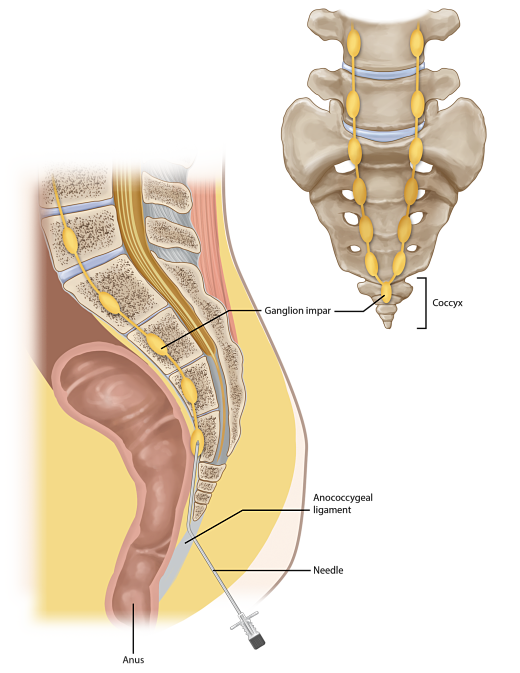
The ganglion impar is a small collection of sympathetic nerve tissue located at the front of the lower sacrum. It can contribute to persistent pain from the coccyx, perineum, rectum or lower pelvic region. A ganglion impar block may be considered when the clinical pattern suggests a sympathetically mediated component to this type of pain.
Ganglion Impar Radiofrequency therapy
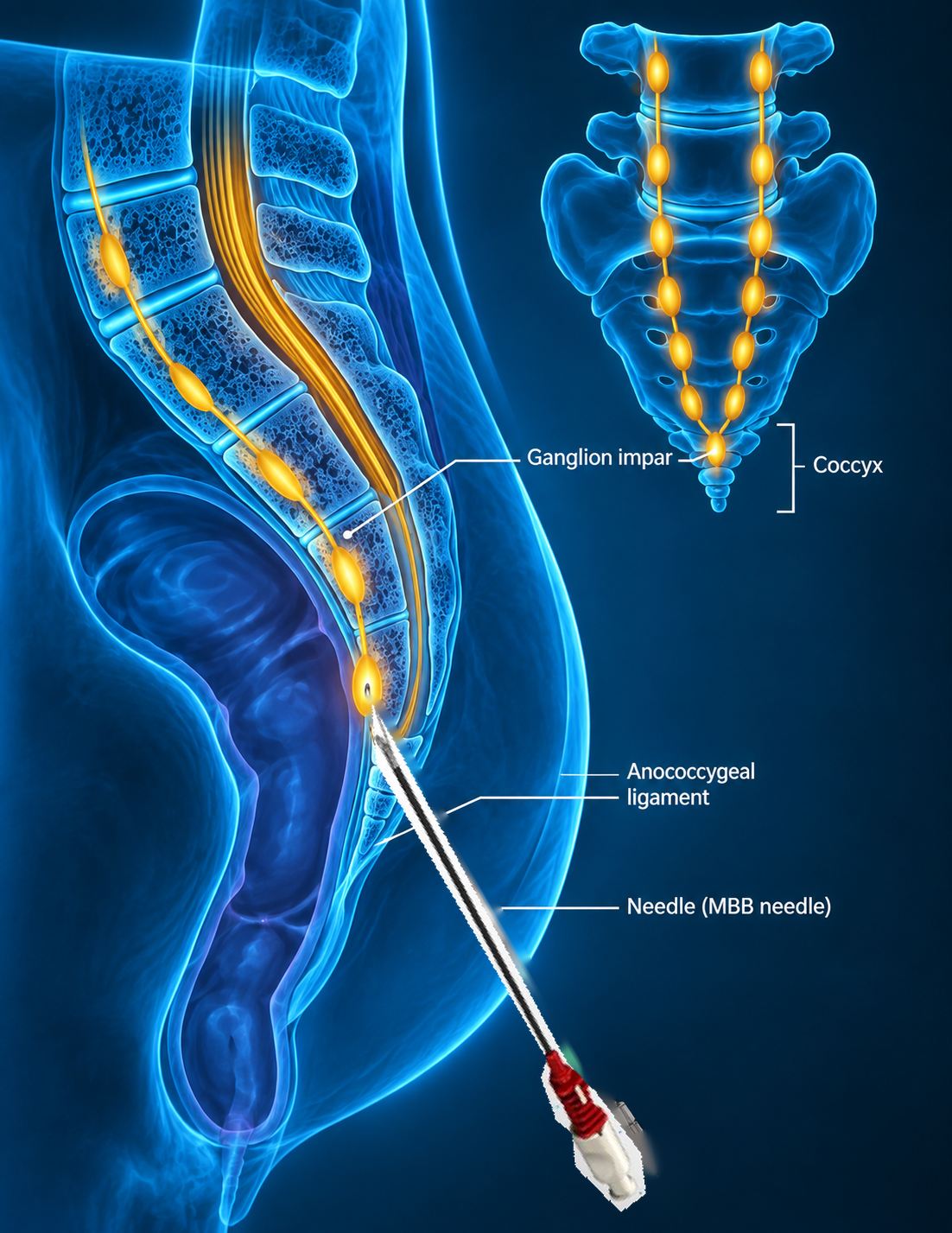
Radiofrequency treatment of the ganglion impar may be considered for selected patients with persistent coccygeal, perineal or pelvic pain when a ganglion impar block has produced meaningful but temporary relief. The treatment aims to reduce abnormal sympathetic pain signalling from this small nerve structure.
Neuromodulation Procedures
Spinal Cord Stimulator Trial
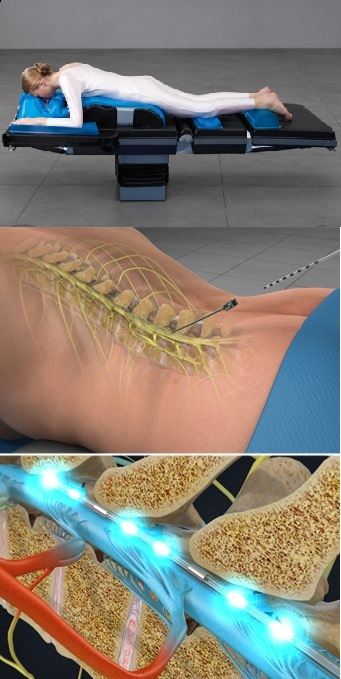
A spinal cord stimulator (SCS) trial is a short, reversible test of neuromodulation therapy for people living with complex or refractory chronic pain — most often persistent back and/or leg pain after spinal surgery, or nerve-related pain that has not responded adequately to medication, injections and rehabilitation. Rather than committing straight to a permanent device, the trial lets you and Dr Danesh find out, in real time, whether this therapy meaningfully reduces your pain before any long-term decision is made.
Spinal Cord Stimulator Implant
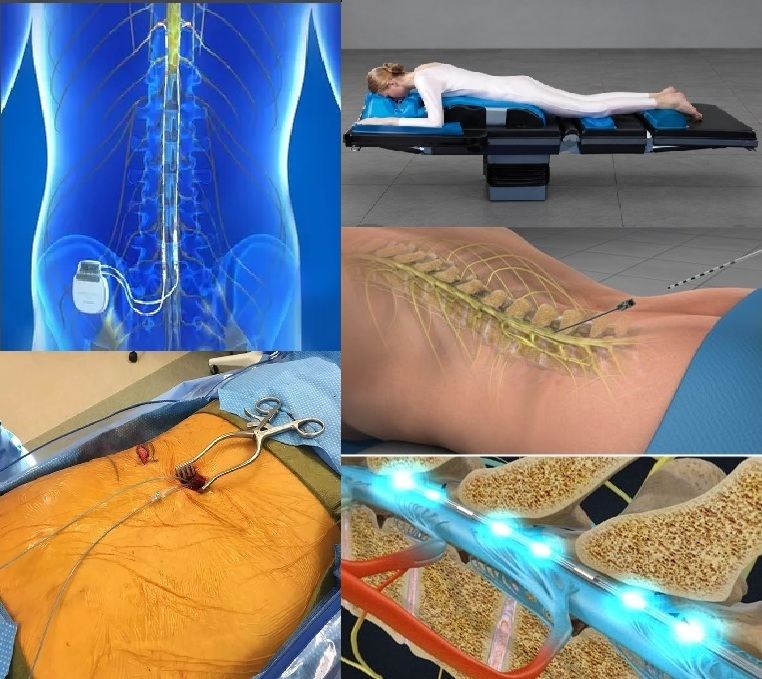
For patients who experience meaningful, sustained pain relief during a spinal cord stimulator trial, permanent implantation offers an ongoing, adjustable therapy for chronic back, leg or other nerve-related pain. Rather than repeat medication or injections indefinitely, an implanted system delivers continuous, programmable stimulation that can be fine-tuned to your pain pattern and lifestyle over the years ahead.
Peripheral Nerve Stimulation Implant
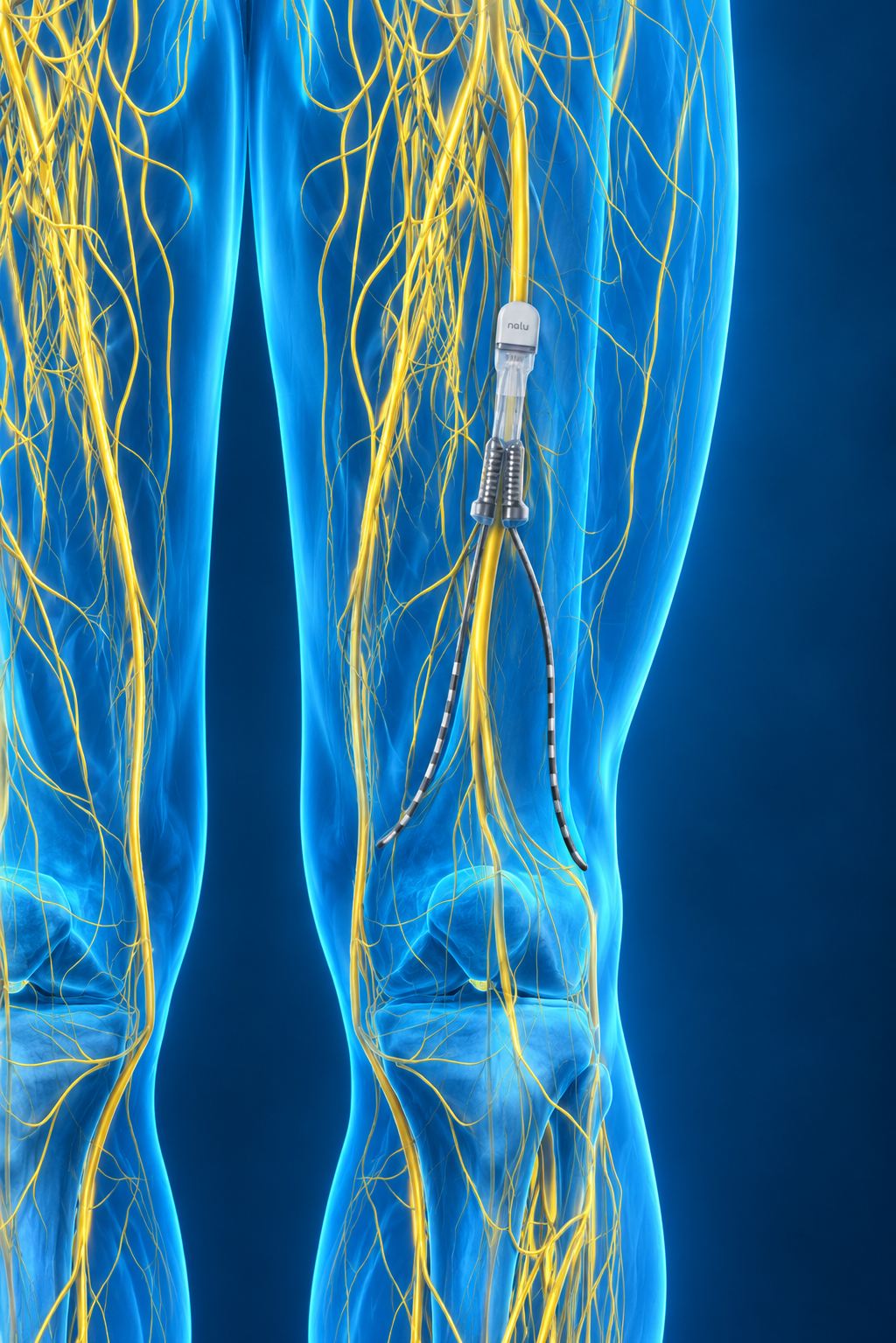
Peripheral nerve stimulation (PNS) is a form of neuromodulation used for selected chronic pain conditions in which a specific peripheral nerve is thought to be generating or maintaining pain. It may be considered when pain remains troublesome despite medication, physiotherapy, injections or other appropriate treatments, particularly when a clear nerve target can be identified.
Regenerative Medicine & Biologic Therapies
PRP (Platelet-Rich Plasma) Injections
%20Injections%20Sydney%20Pain%20Specialist%20Dr%20Mazyar%20Danesh%20MDSPC%20Multidisciplinary%20Sydney%20Pain%20Centre.jpg)
Platelet-rich plasma (PRP) therapy uses a concentrated preparation of your own blood platelets to support the body's natural healing response in injured or degenerative tendons, ligaments and joints. It is a regenerative option often considered for chronic tendon conditions (such as tennis elbow or gluteal tendinopathy) and early joint degeneration, where the underlying tissue has failed to heal fully on its own despite time and conservative care.
Prolotherapy
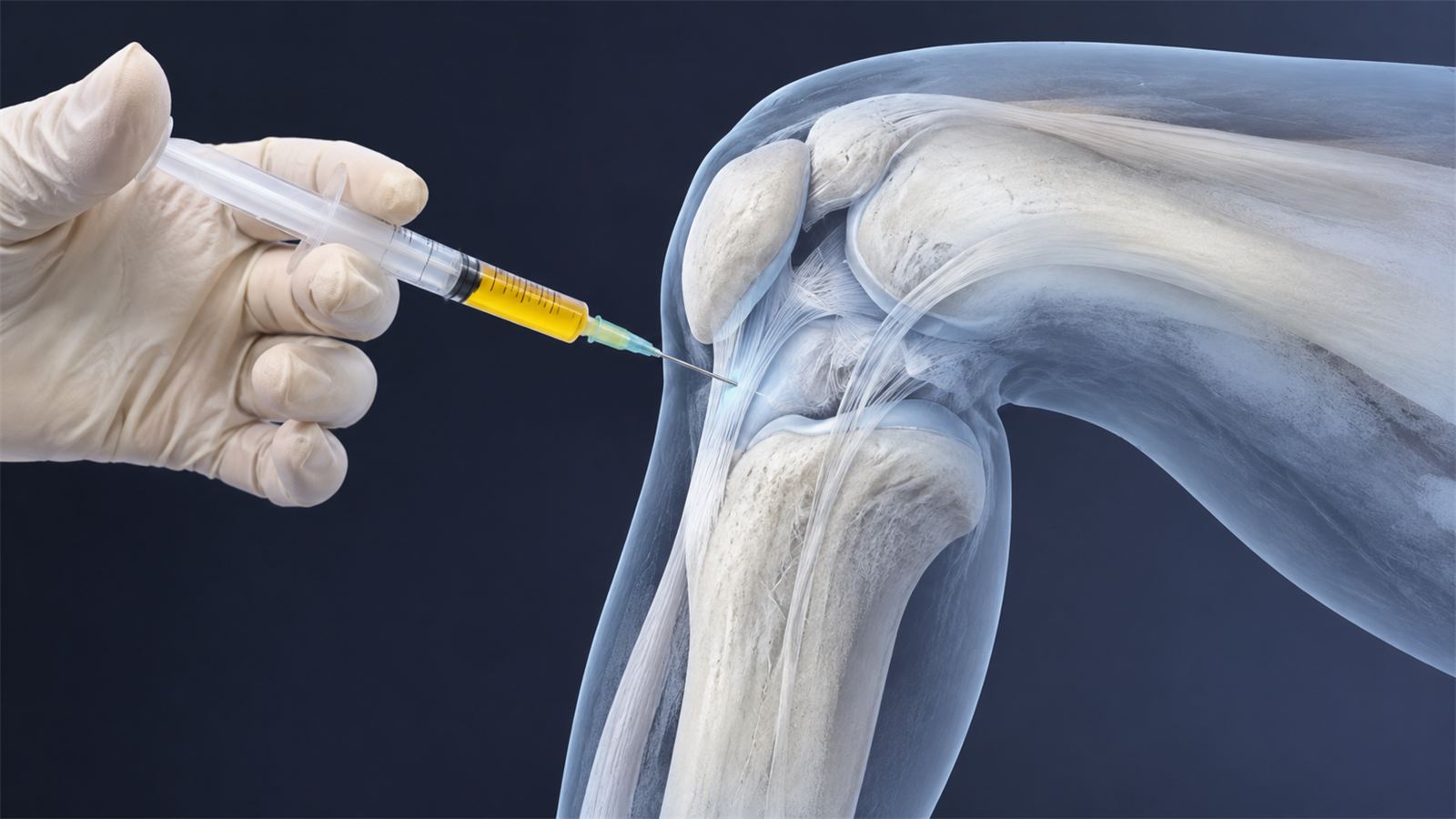
Prolotherapy is an injection-based treatment that aims to stimulate a local tissue response in selected painful or degenerative musculoskeletal conditions. It is most commonly discussed in relation to chronic tendon or ligament problems and some joint or soft-tissue pain conditions that have not responded adequately to rehabilitation and other conservative care.
Joint, Bursa & Musculoskeletal Injections
Sacroiliac (SI) Joint injection
%20Joint%20injection%20SIJ%20pain%20specialist%20Sydney%20Dr%20Mazyar%20Danesh.png)
The sacroiliac (SI) joints connect the base of the spine to the pelvis and can be a source of persistent buttock, lower-back or pelvic pain. An SI joint injection may be considered when the clinical assessment suggests that the joint is contributing to symptoms and conservative treatment has not provided adequate relief.
Sacroiliac (SI) Joint Radiofrequency Neurotomy
%20Joint%20Radiofrequency%20Neurotomy%20SIJ%20pain%20specialist%20Sydney%20Dr%20Mazyar%20Danesh%20Multidisciplinary%20Sydney%20Pain%20Centre.webp)
The SI joint receives pain signals through small sensory nerve branches, including the lateral branches of the sacral nerves and the L5 dorsal ramus. Radiofrequency neurotomy may be considered for selected patients with persistent SI joint pain when diagnostic assessment has established the joint as an important pain source and conservative treatment has not provided adequate relief.
Knee Joint Denervation (Genicular Nerve Ablation/Neurotomy)
.jpg)
The genicular nerves supply sensation to the knee joint and are an effective target for chronic knee pain, most commonly from osteoarthritis, particularly for patients who are not yet ready for, or not suitable candidates for, knee replacement surgery. This procedure aims to reduce knee pain by interrupting these sensory nerves while preserving the knee's normal structure and movement.
Genicular nerve block
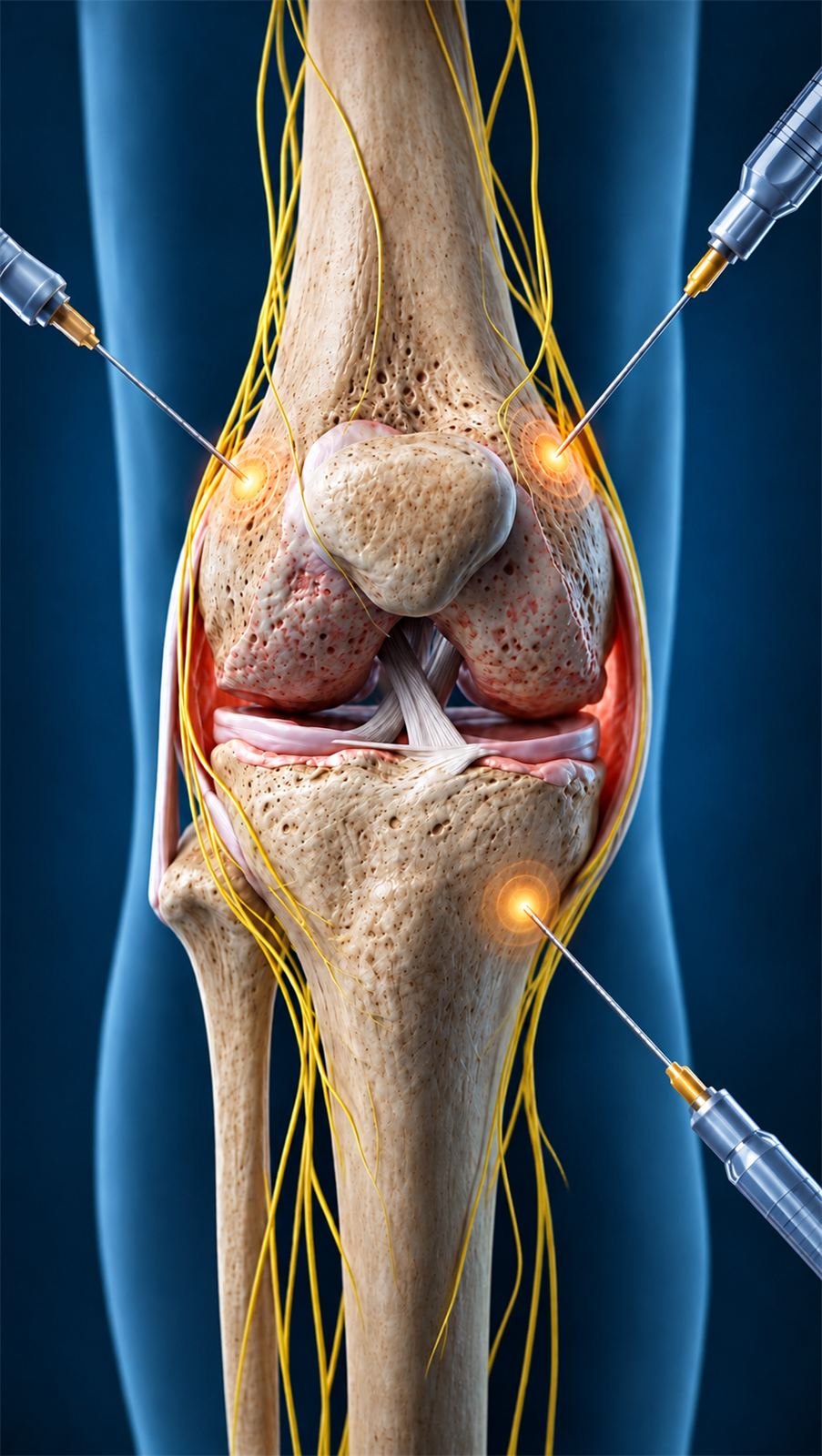
The genicular nerves are small sensory branches that carry pain signals from the knee joint. A genicular nerve block may be considered for persistent knee pain, particularly osteoarthritis-related pain, when the knee remains painful despite conservative treatment or when joint replacement is not currently appropriate.
Hip Joint Denervation/Neurotomy
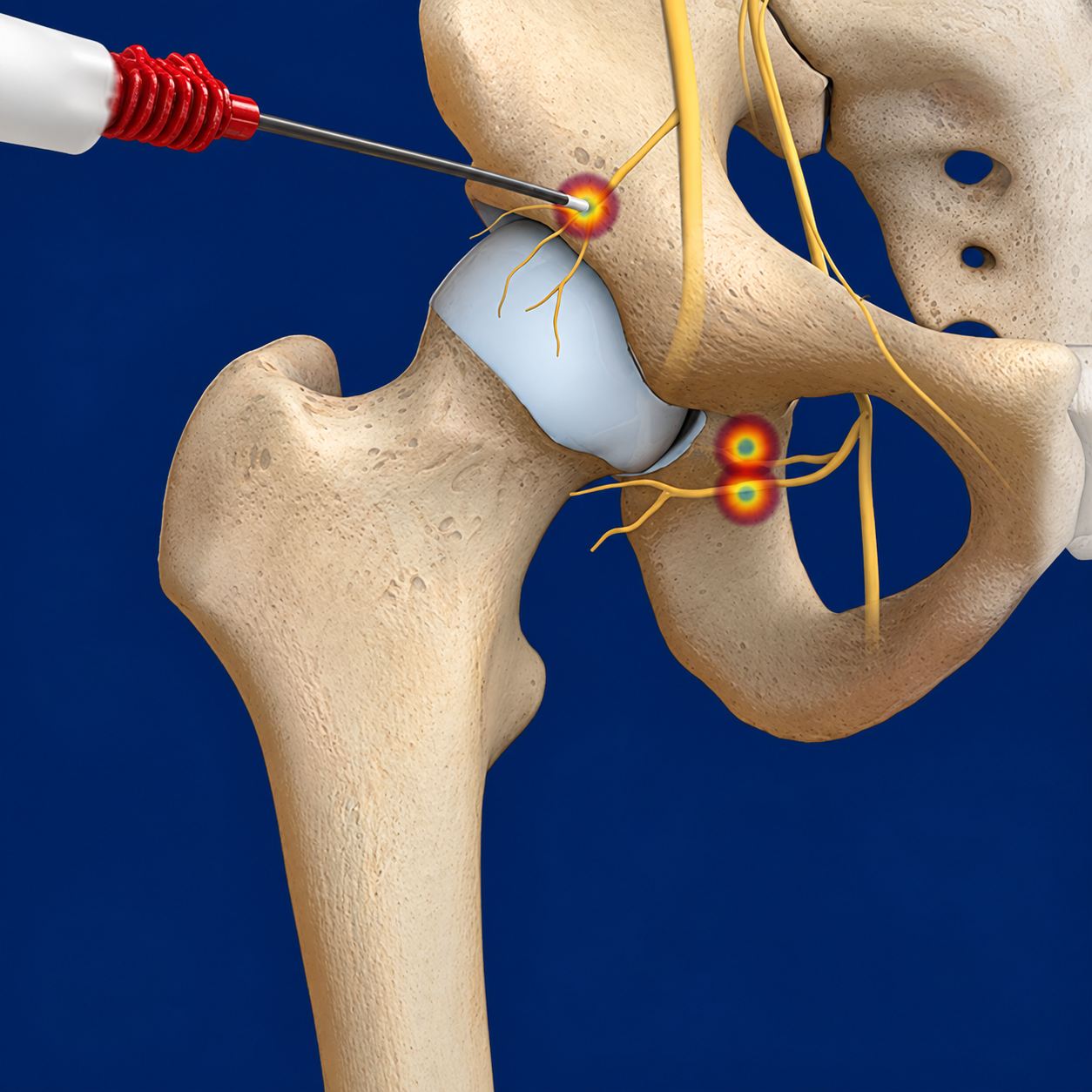
The hip joint is supplied by small sensory articular branches, including branches of the femoral and obturator nerves. Hip joint denervation, or radiofrequency neurotomy of these articular branches, may be considered for selected patients with persistent hip pain, particularly when osteoarthritis is present and conservative treatments have not provided sufficient relief or surgery is not currently suitable.
Hip Joint Intra-Articular Injection
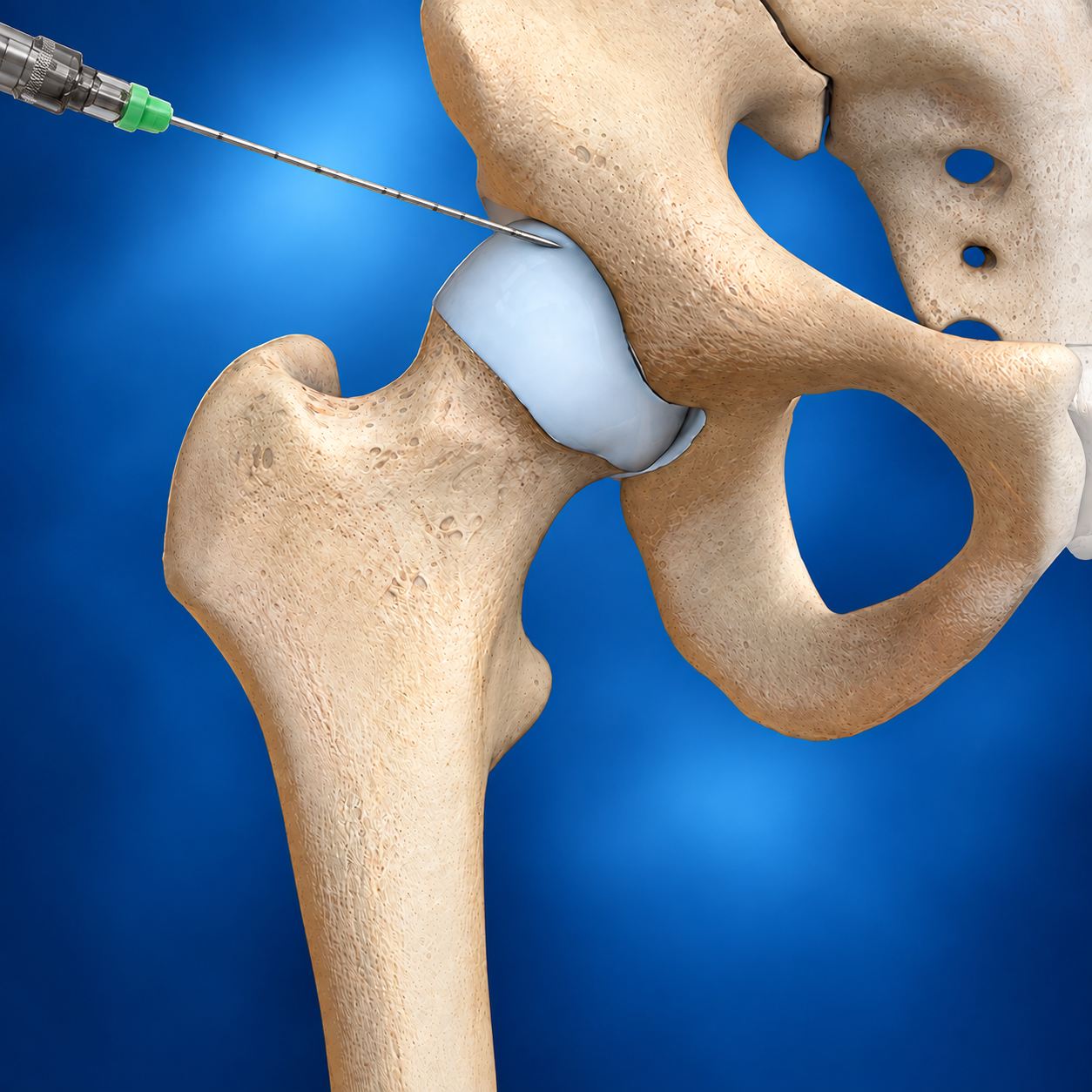
The hip joint can be a source of deep groin, buttock or thigh pain, particularly with osteoarthritis, inflammation or other joint disorders. An intra-articular hip injection may be considered when the hip is suspected to be contributing to symptoms and can provide both diagnostic information and, in selected cases, temporary therapeutic relief.
Shoulder Coracoid Injection
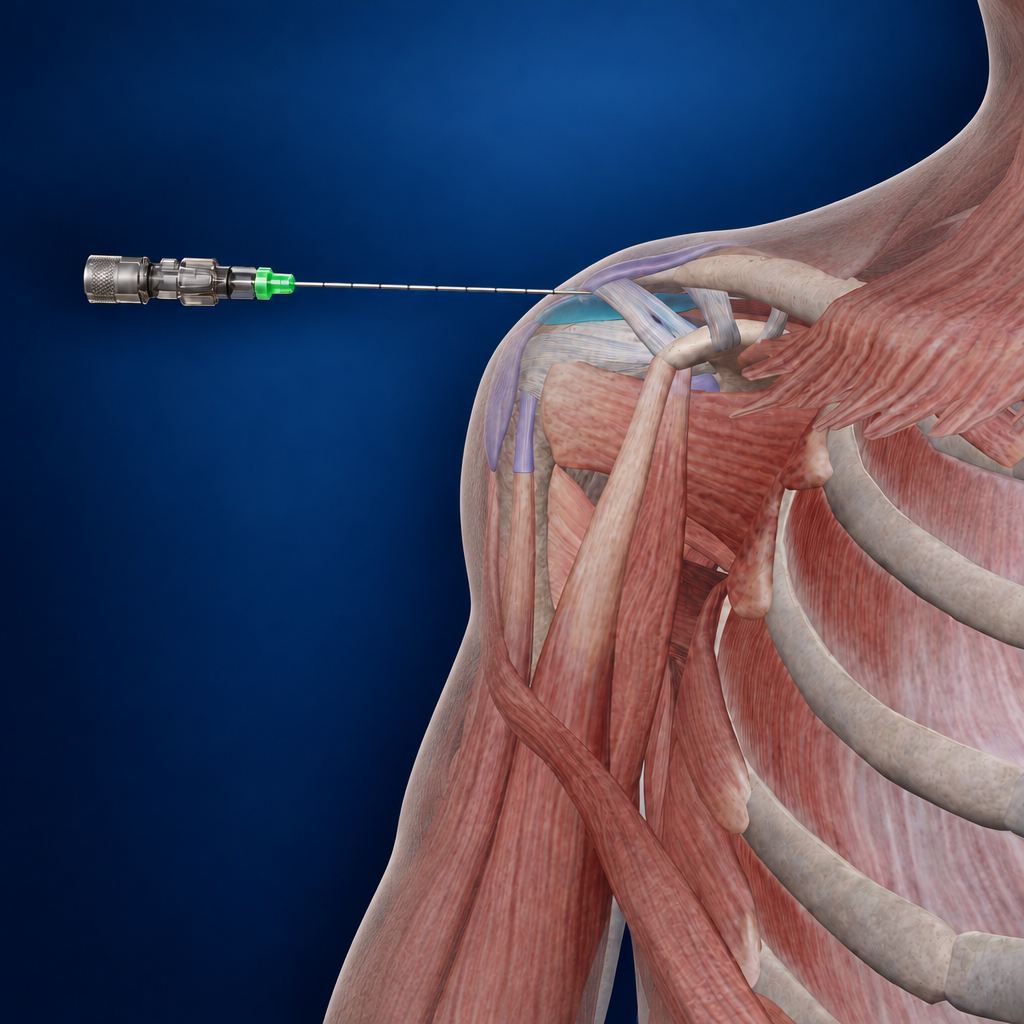
The coracoid process is a small bony projection at the front of the shoulder blade where several muscles and ligaments attach, and can become a focal source of anterior shoulder pain when the surrounding soft tissue becomes inflamed or irritated — sometimes called coracoid impingement. A targeted injection to this area can both help confirm the diagnosis and provide meaningful symptomatic relief.
SAB (SubAcromial Bursa) Injection
%20Injection%20shoulder%20bursitis%20pain%20specialist%20Sydney%20Dr%20Mazyar%20Danesh%20Multidisciplinary%20Sydney%20Pain%20Centre.jpg)
The subacromial bursa is a fluid-filled sac that cushions the rotator cuff tendons as they move beneath the tip of the shoulder blade (the acromion), and is a frequent source of shoulder pain when it becomes inflamed — often related to rotator cuff impingement or tendinopathy. A subacromial bursa injection is a well-established, minimally invasive treatment for this common cause of shoulder pain.
Ankle Nerves Block
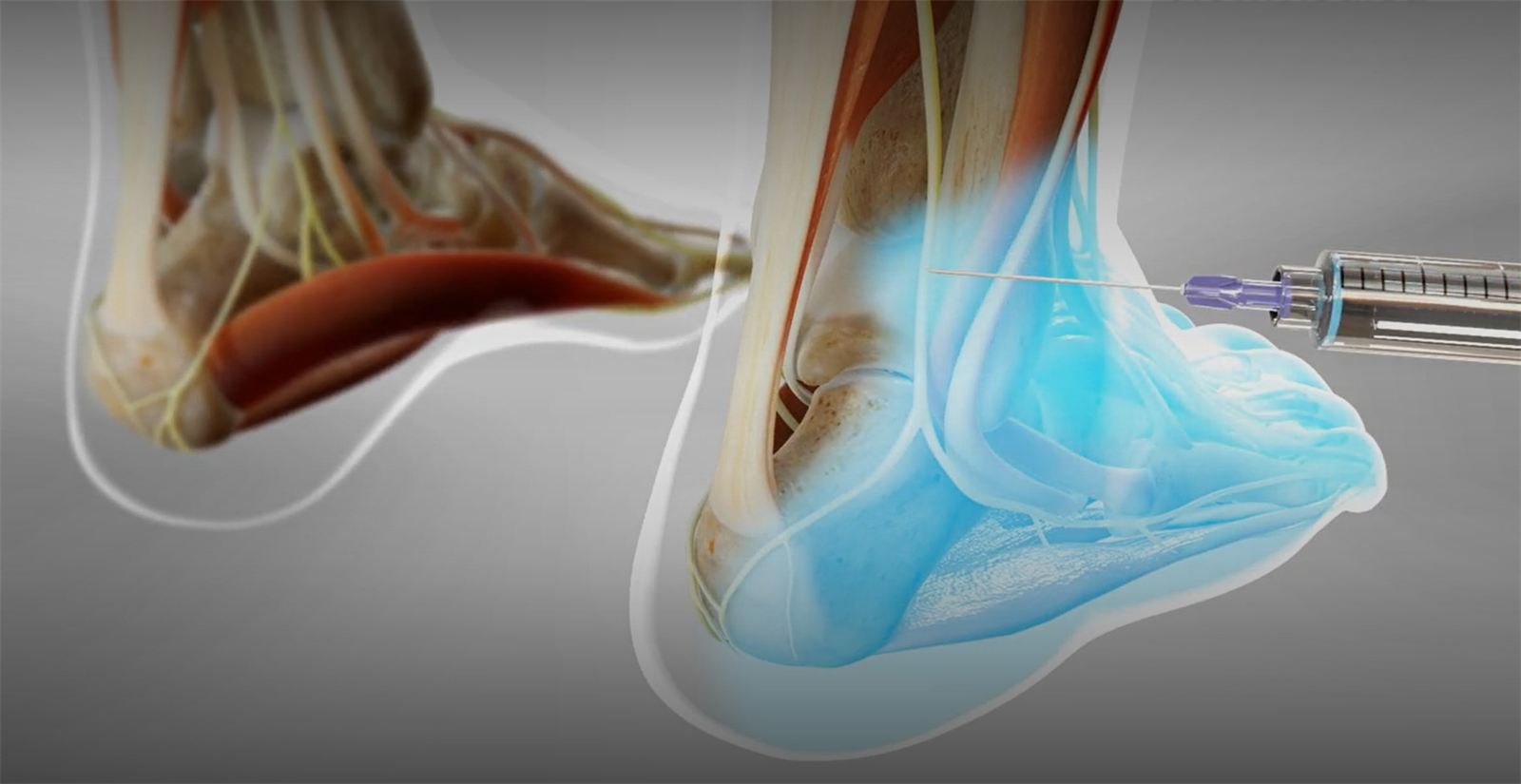
Several nerves contribute to sensation around the ankle and foot, including the tibial, sural, superficial peroneal, deep peroneal and saphenous nerves. A targeted ankle nerve block may be considered when pain is localised to a particular nerve distribution, including selected neuropathic pain conditions, post-traumatic pain or pain following surgery.
Ankle Nerves Pulsed Radiofrequency and Block
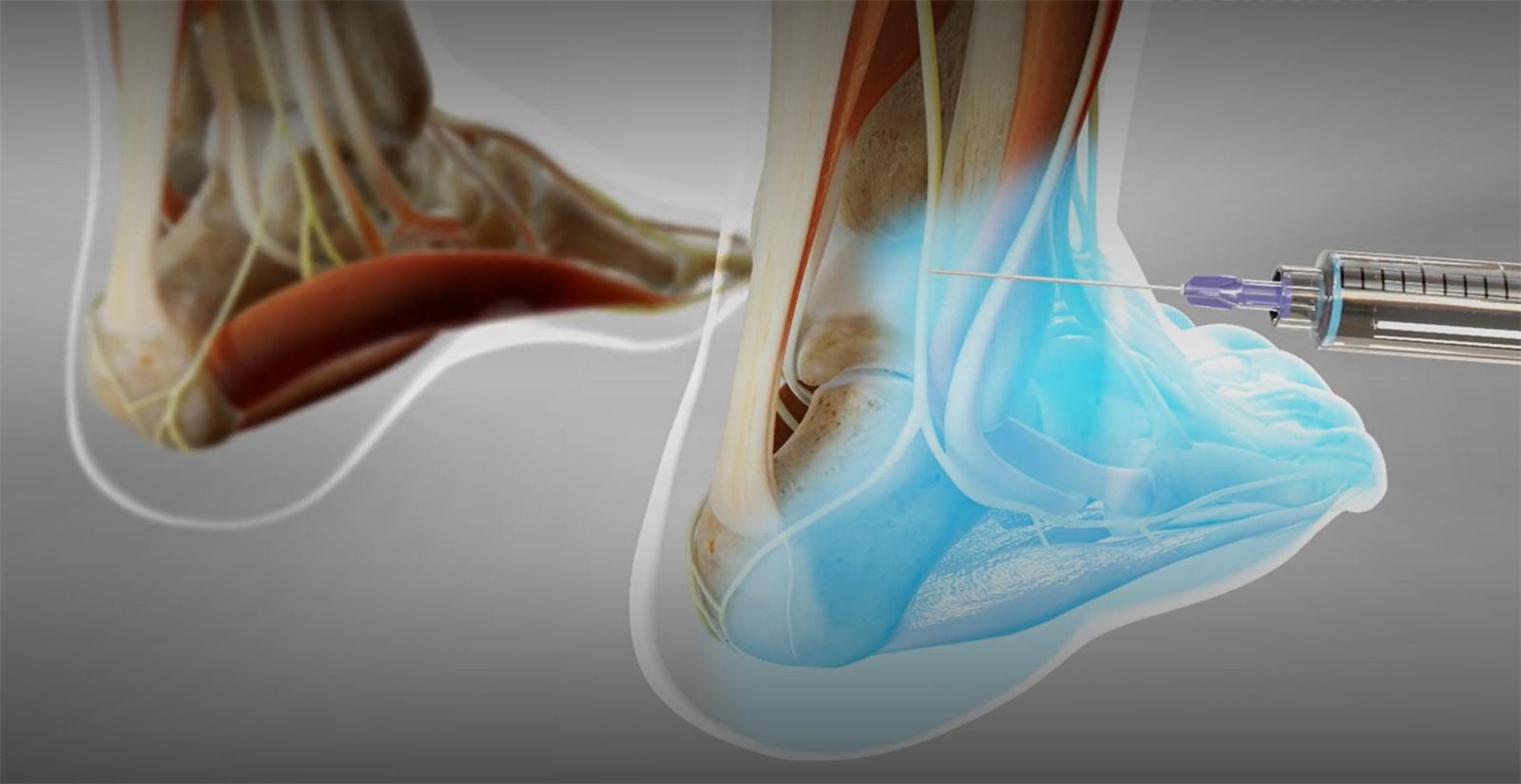
Pulsed radiofrequency can be considered for persistent ankle or foot pain when a particular peripheral nerve has been identified as a significant pain generator and a diagnostic block has produced meaningful but temporary relief. Depending on the pain distribution, the treatment may target the tibial, sural, superficial peroneal, deep peroneal or saphenous nerve.
Cortisone Injections
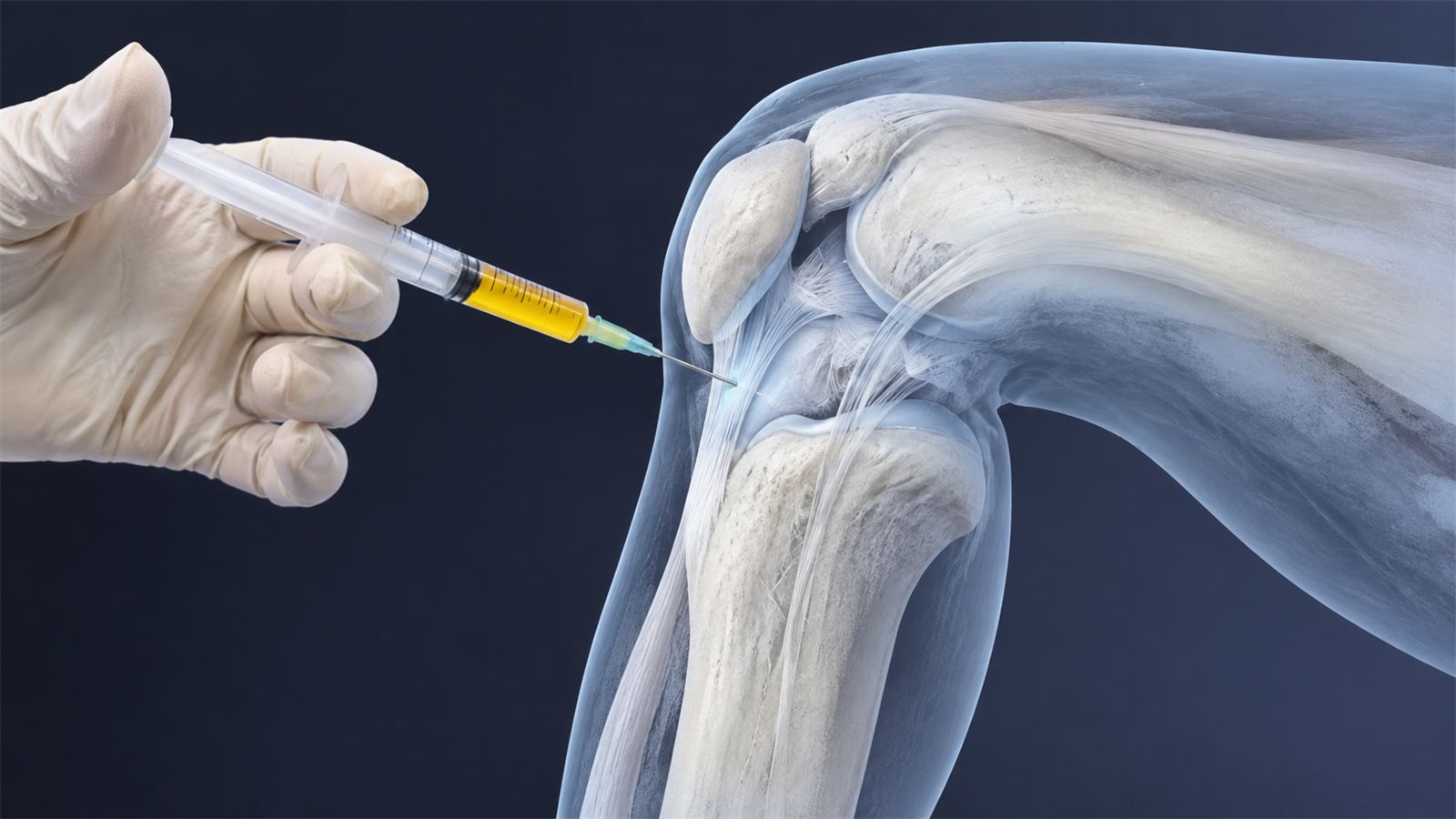
Cortisone (corticosteroid) injections are one of the most widely used and well-studied treatments in musculoskeletal medicine, delivering a concentrated anti-inflammatory medication directly to a painful joint, tendon sheath or bursa. They are often considered when pain and inflammation from a specific, well-localised source have not settled adequately with rest, activity modification or oral anti-inflammatory medication.
Trigger point Injections
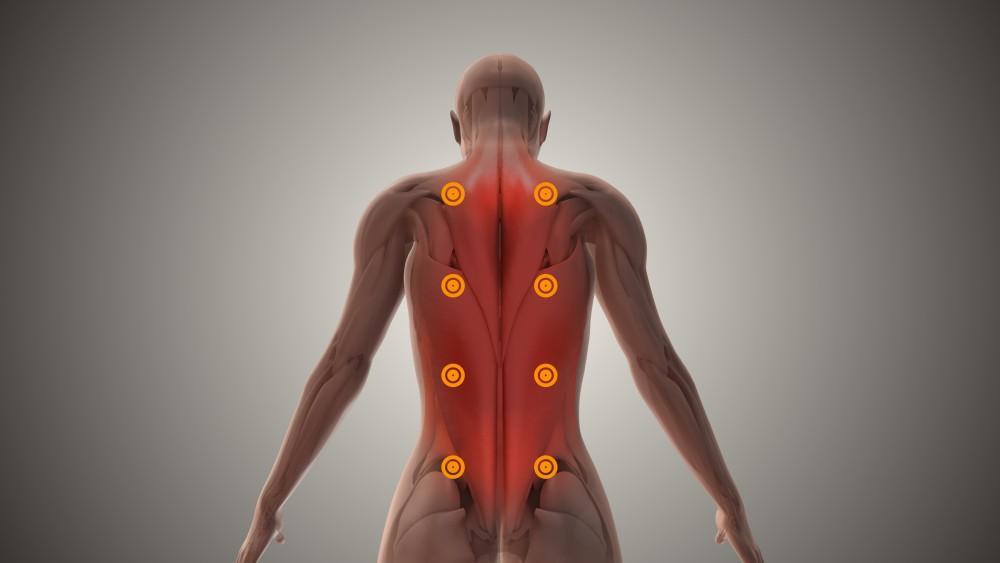
Trigger points are localised, painful areas within tight or irritable muscle bands that can contribute to regional neck, shoulder, back or other musculoskeletal pain. Trigger point injections may be considered when a specific muscle or group of muscles is contributing to persistent pain and has not responded adequately to stretching, physiotherapy, activity modification or other conservative measures.
BOTOX Injection (Botulinum)
%20Injection.jpg)
Botulinum toxin (BOTOX) injections can be used in selected pain conditions where excessive muscle activity or abnormal nerve signalling contributes to symptoms. In pain medicine, botulinum toxin may be considered for conditions such as chronic migraine and selected muscle-related pain syndromes when standard treatments have not provided adequate relief.
Piriformis Muscle Injection
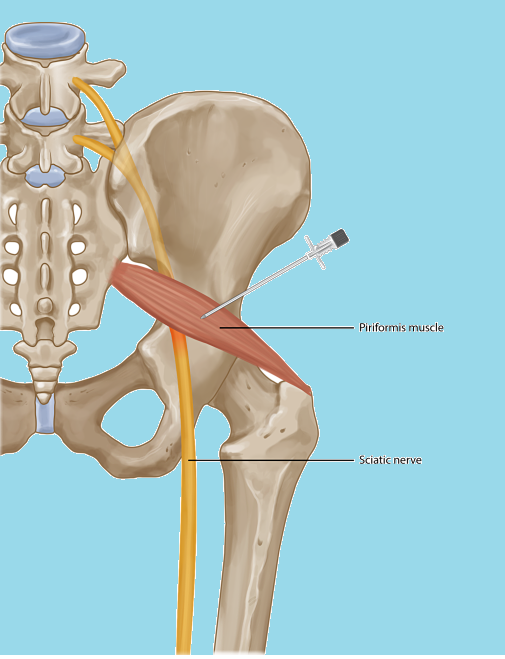
The piriformis is a small muscle deep in the buttock that helps rotate the hip and lies close to the sciatic nerve. Irritation or spasm of this muscle can contribute to buttock pain and, in some patients, symptoms that extend down the leg. A piriformis muscle injection may be considered when clinical assessment suggests that the muscle is an important pain generator.
Iliotibial Band Injection
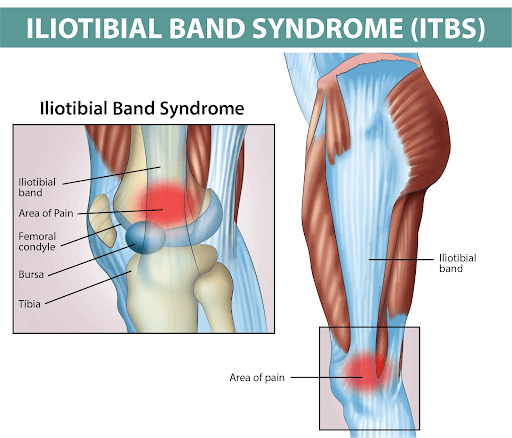
The iliotibial band (ITB) is a strong band of connective tissue running along the outside of the thigh from the hip towards the knee. Irritation of the tissues around the ITB can contribute to pain on the outer side of the hip or knee, particularly with repetitive activity, running or cycling. An injection may be considered when conservative treatment has not adequately settled local inflammation or pain.
Infusion Therapies
Ketamine Infusion

Ketamine, given as a slow intravenous infusion in a monitored clinical setting, is a treatment option for severe, refractory chronic pain conditions — including complex regional pain syndrome and other centralised or neuropathic pain states — that have not responded adequately to standard medications and interventional treatments. At the low doses used for pain management, ketamine works differently from standard pain medications, targeting specific receptors involved in the amplification and persistence of chronic pain.
Lignocaine Infusion

Intravenous lignocaine (lidocaine) infusion is a treatment option for certain chronic neuropathic pain conditions that have not responded adequately to standard oral medications. Given slowly under close monitoring, lignocaine — more commonly known as a local anaesthetic used for numbing — can, at carefully controlled intravenous doses, reduce abnormal nerve signalling that drives chronic neuropathic pain.