Chronic Pain Conditions We Treat
At our chronic pain clinics in Sydney, Goulburn and Canberra, we provide comprehensive assessment and treatment for a wide range of persistent pain conditions. Chronic pain can significantly affect your daily life — but with the right plan, it can be effectively managed.
Click on a condition, or hover over its name or picture for a moment, to read more.
Spinal & Musculoskeletal Pain
Chronic Low Back Pain
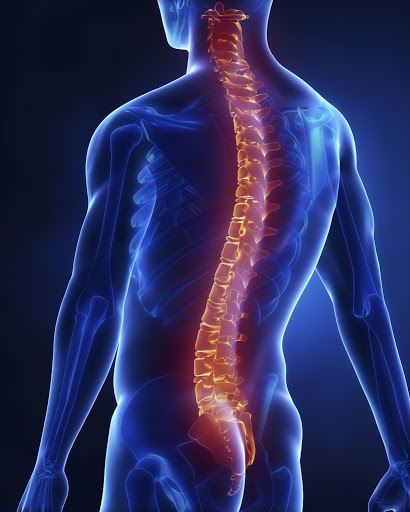
Chronic low back pain is pain in the lumbar or lumbosacral region that persists or recurs for more than three months. It is one of the most common reasons patients seek care for chronic pain and can affect people of all ages and occupations. Symptoms range from a persistent ache to sharper, activity-limiting pain and may affect sleep, work, exercise and everyday function.
Sciatica and Lumbar Radicular Pain
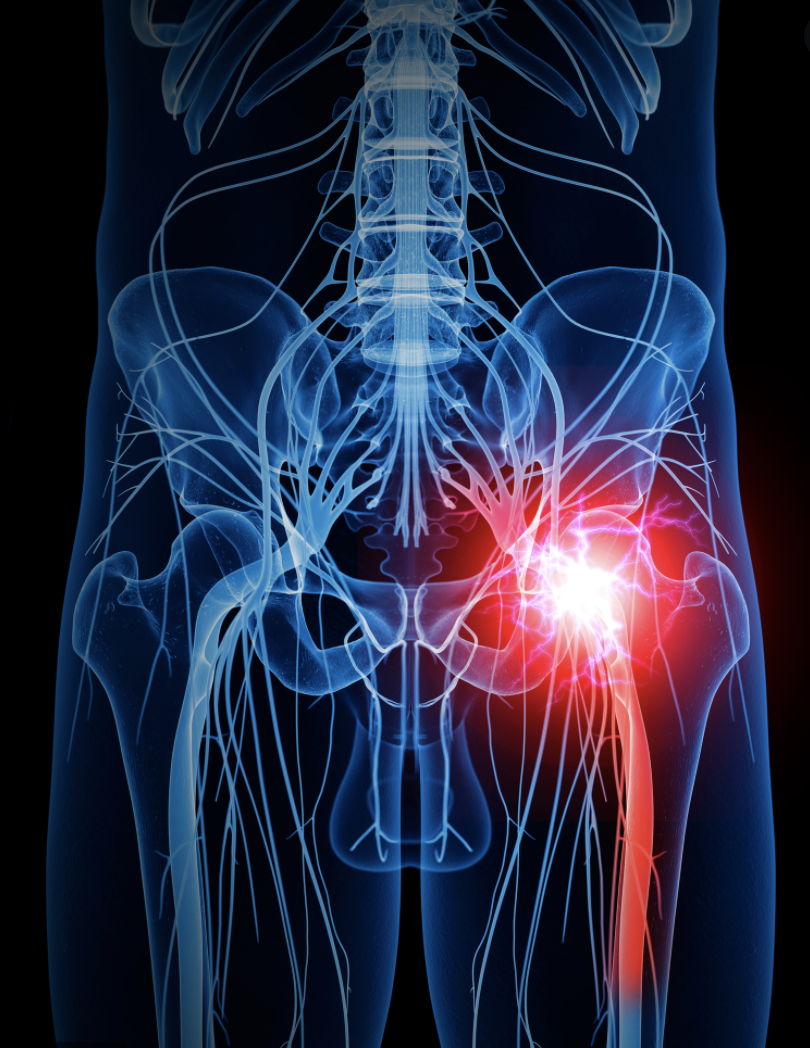
Sciatica refers to pain that travels along the path of the sciatic nerve, typically radiating from the lower back or buttock down the back of the leg, sometimes as far as the foot. It results from irritation or compression of one of the nerve roots that form the sciatic nerve as they exit the spine, most often in the lower lumbar levels. While often triggered by a specific movement or injury, sciatica can also develop gradually, and it is one of the most recognisable and disruptive forms of chronic pain patients present with.
Chronic Neck Pain
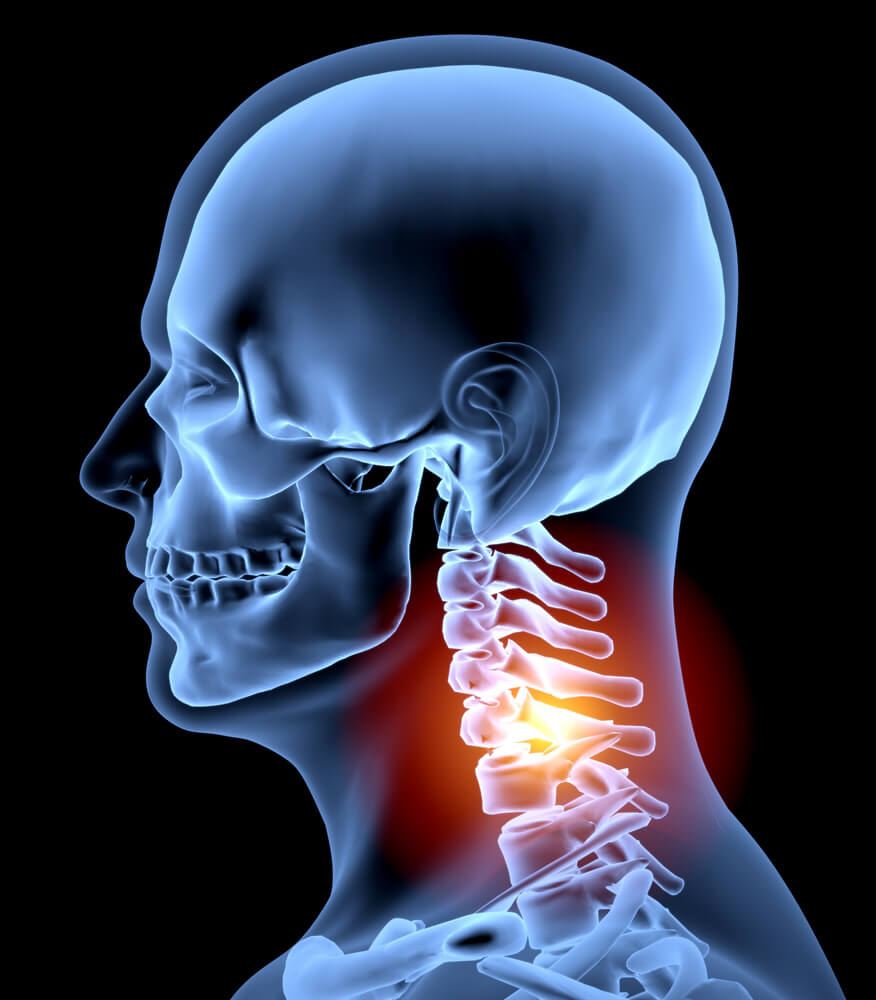
Chronic neck pain is persistent discomfort in the cervical spine that can be felt as a deep ache, stiffness or sharp pain, and it frequently affects people whose work involves prolonged sitting, screen use or repetitive postures. Because the neck supports the head and allows a wide range of movement, it is vulnerable to both gradual wear and acute injury, and pain here often has knock-on effects on sleep, concentration and mood given how central the neck is to everyday movement.
Whiplash-Associated Disorder
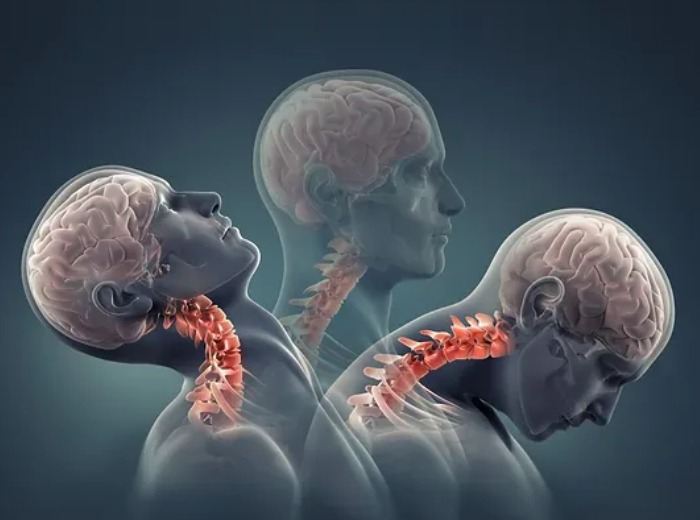
Whiplash-associated disorder develops after a sudden acceleration-deceleration injury to the neck, most commonly from a motor vehicle collision, though falls and sporting injuries can produce the same pattern. While many people recover within weeks, a significant proportion go on to develop persistent symptoms lasting months or years, at which point the condition is managed as a chronic pain presentation in its own right rather than simply an unresolved acute injury.
Facet-Mediated Spinal Pain
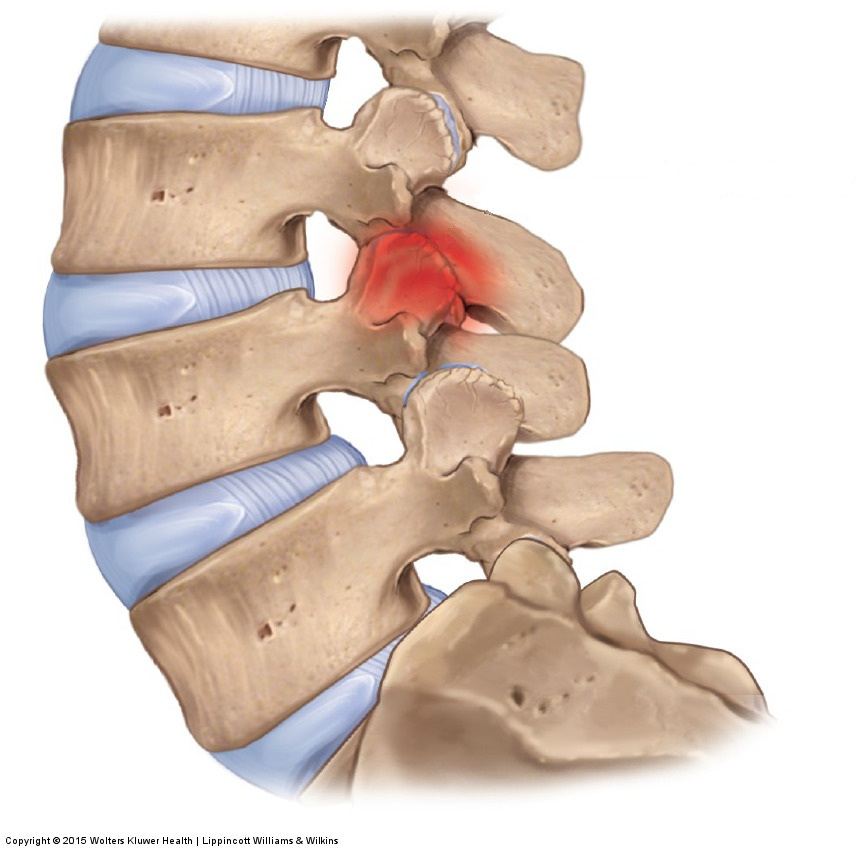
The facet joints are paired joints at the back of the spine that contribute to spinal stability and guide movement. They can develop osteoarthritic changes, particularly with age, but degenerative findings on scans are common and do not by themselves establish that a facet joint is causing pain. Facet-mediated pain is therefore a clinical and interventional diagnosis rather than a diagnosis that can reliably be made from imaging alone.
Spondylosis
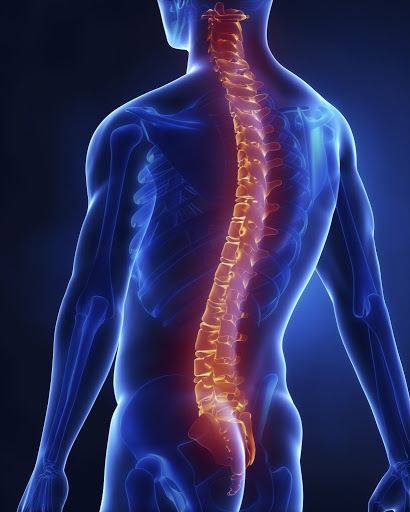
Spondylosis is a general term used to describe age-related and degenerative changes in the spine. It can affect the neck (cervical spine), mid-back (thoracic spine) or lower back (lumbar spine) and may involve the intervertebral discs, facet joints, vertebral bones and supporting structures. With time, discs can lose hydration and height, while the joints and bones may develop arthritic changes or bony overgrowths called osteophytes. These findings are very common as people get older and, importantly, the presence of spondylosis on an X-ray, CT or MRI does not necessarily mean that it is the source of a person's pain.
Sacroiliac Joint Pain
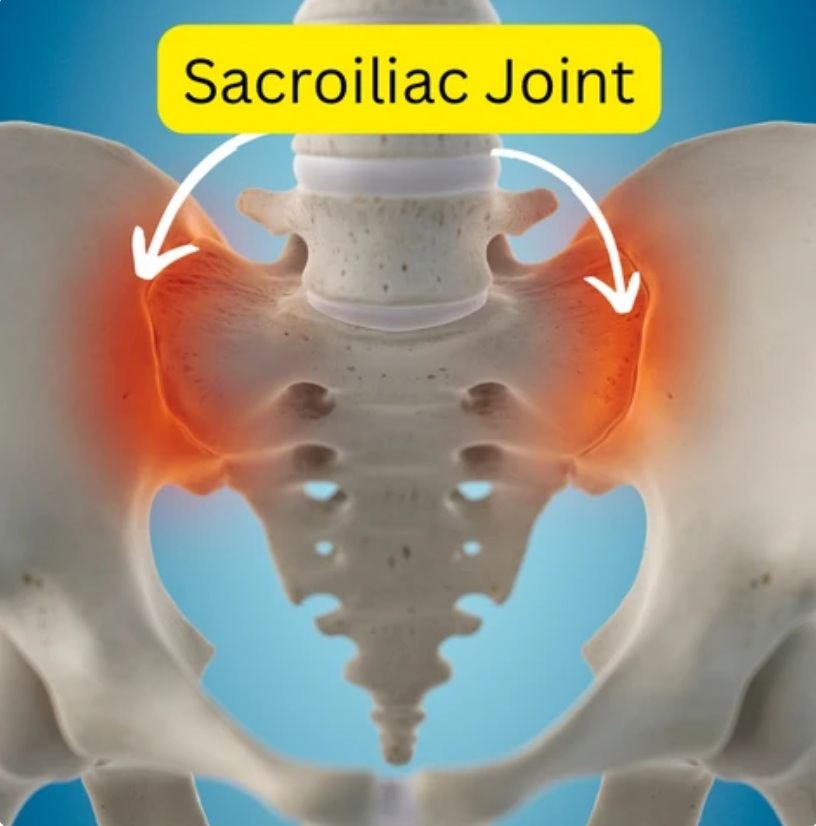
The sacroiliac joints connect the sacrum with the pelvis and can contribute to pain felt in the lower back, buttock and sometimes the groin or leg. Sacroiliac joint pain may occur after pregnancy, trauma or changes in load across the pelvis, and may coexist with lumbar spine or hip disorders. The term 'sacroiliac joint dysfunction' is sometimes used clinically, but pain cannot reliably be attributed to the joint from symptoms or imaging alone.
Persistent Spinal Pain Syndrome (Failed Back Surgery Syndrome)
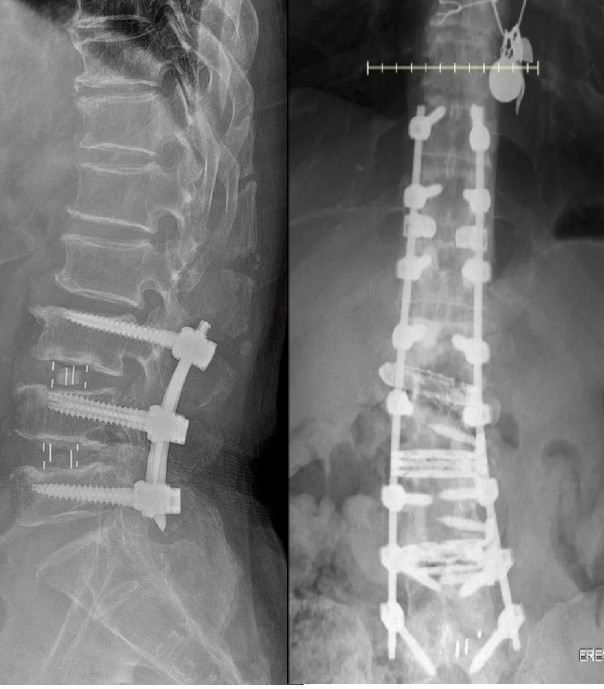
Persistent spinal pain syndrome, historically known as failed back surgery syndrome, describes ongoing or recurrent pain following spinal surgery that was intended to relieve it. It does not necessarily mean the surgery was performed incorrectly — spinal surgery addresses a specific structural problem, but pain can persist due to scar tissue formation, a new or adjacent-level problem, nerve injury, or because more than one pain generator was present from the outset.
Osteoarthritis
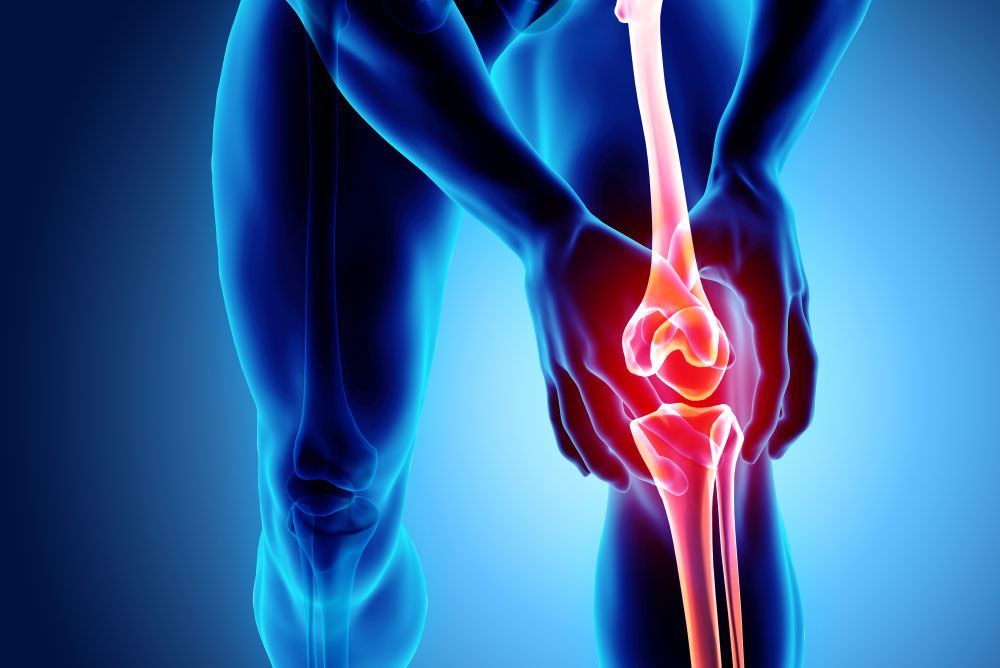
Osteoarthritis is a chronic disorder of joints involving changes to cartilage, subchondral bone, synovium and other joint tissues. It is common in the knees, hips, hands and other joints and becomes more prevalent with age, while previous injury, joint loading, genetics and body composition can also influence risk. Structural changes and pain do not always correspond closely, so treatment is guided by symptoms and function rather than imaging alone.
Myofascial Pain Syndrome

Myofascial pain syndrome is a chronic condition involving sensitive, tight bands within muscle tissue known as trigger points, which cause localised pain and can also refer pain to other areas of the body in predictable patterns. It commonly develops in the neck, shoulders and lower back, often following muscle overuse, poor posture, or as a secondary response to another underlying pain condition, and it is frequently present alongside — and can complicate the treatment of — other chronic pain conditions.
Chronic Shoulder Pain
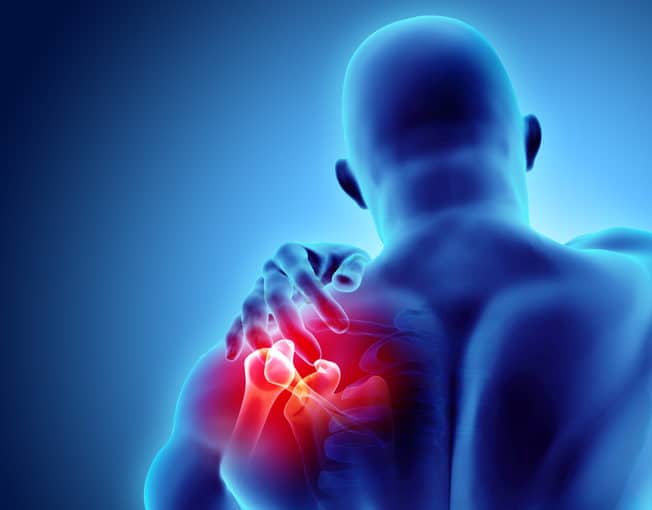
Chronic shoulder pain is a common presentation encompassing several overlapping conditions, including rotator cuff-related pain, frozen shoulder (adhesive capsulitis), and shoulder osteoarthritis. Because the shoulder is the most mobile joint in the body, relying heavily on surrounding muscles and tendons for stability, it is particularly susceptible to overuse injuries and stiffness that, without appropriate treatment, can persist well beyond the initial injury.
Neuropathic Pain Conditions
Neuropathic Pain
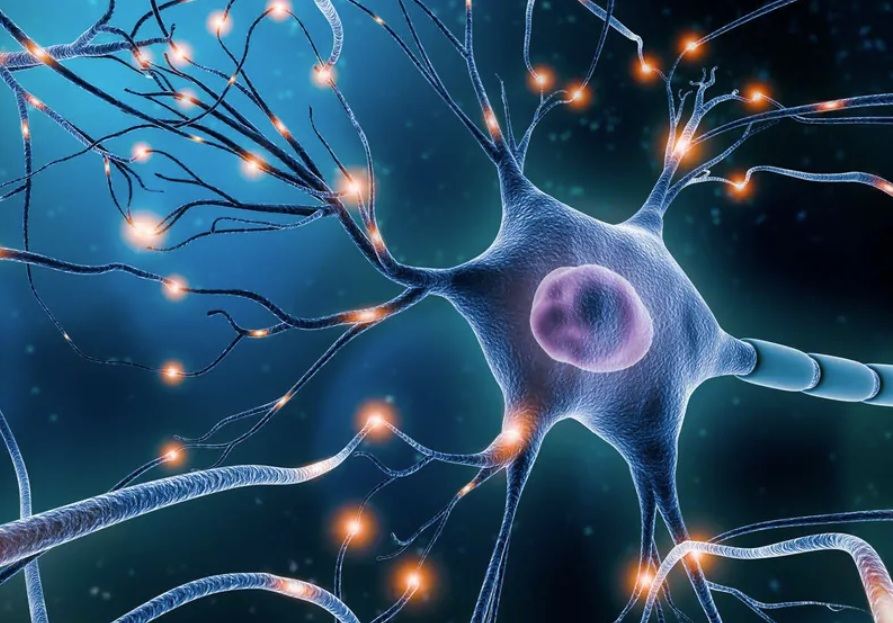
Neuropathic pain is a type of pain that develops when the nerves or other parts of the nervous system involved in sensing and processing pain are affected by injury or disease. It may arise from problems involving peripheral nerves, nerve roots, the spinal cord or, less commonly, the brain. Neuropathic pain can occur on its own or alongside other forms of pain, including musculoskeletal or inflammatory pain. Identifying the underlying cause and understanding how the nervous system is contributing to the symptoms are important steps in assessment and treatment.
Peripheral Neuropathy (including Diabetic Neuropathy)
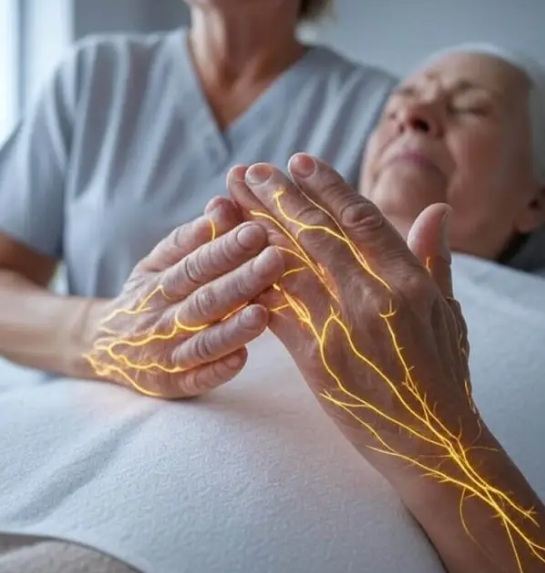
Peripheral neuropathy refers to disease or injury affecting peripheral nerves and may cause pain, altered sensation or weakness. It most commonly affects the feet and hands in a length-dependent pattern. Diabetes is an important cause, but other causes include chemotherapy, alcohol-related nerve injury, vitamin deficiencies, immune or infectious disorders, inherited neuropathies, nerve compression and idiopathic neuropathy.
Post-Herpetic Neuralgia
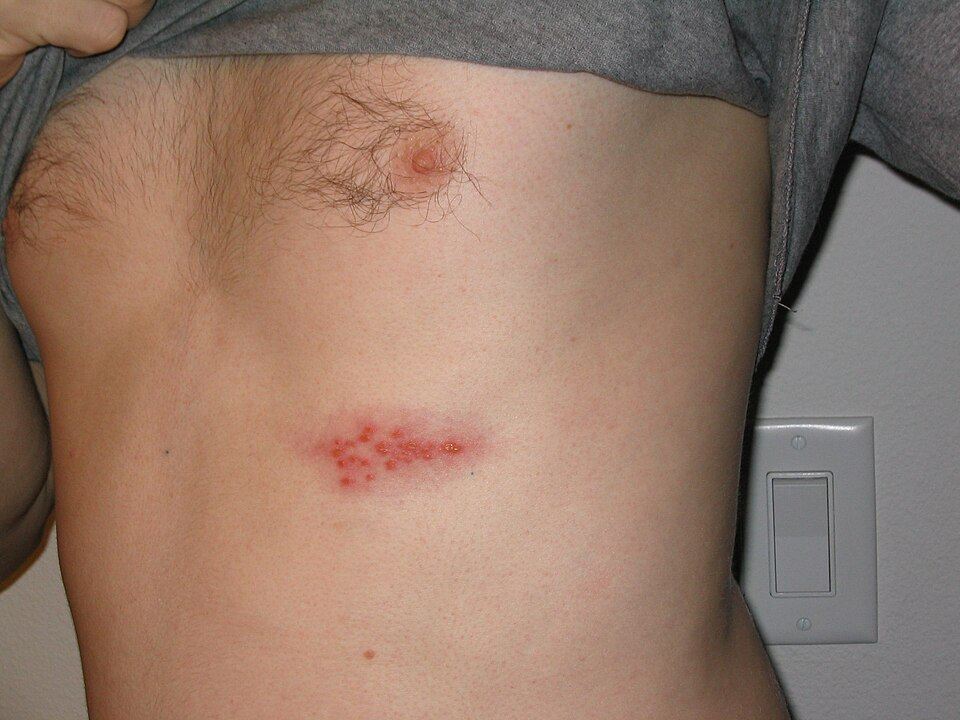
Post-herpetic neuralgia is persistent nerve pain that continues in the area of a shingles rash after the rash itself has healed, typically diagnosed when pain persists beyond three months from the initial outbreak. It occurs because the varicella-zoster virus, reactivating from previous chickenpox infection, damages the affected nerve as it travels along its path, and the risk increases significantly with age, making it a particularly common presentation in older patients.
Trigeminal Neuralgia
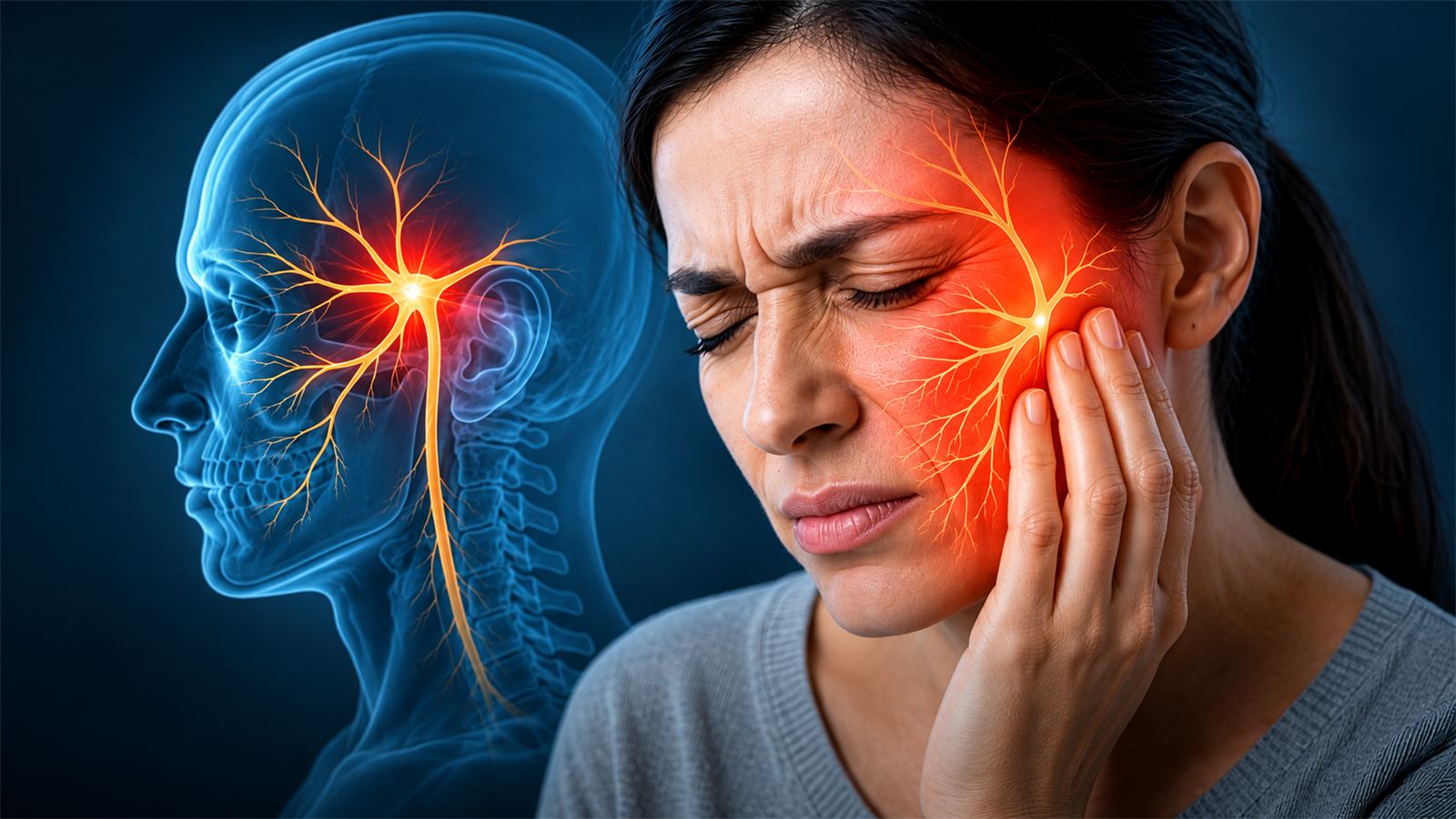
Trigeminal neuralgia is a distinctive facial pain condition affecting the trigeminal nerve, which supplies sensation to most of the face. It causes sudden, severe episodes of pain that are among the most intense recognised in medicine, and while relatively uncommon, it has a profound impact on quality of life given how frequently episodes can recur and how ordinary everyday actions can trigger them.
Complex Regional Pain Syndrome (CRPS)
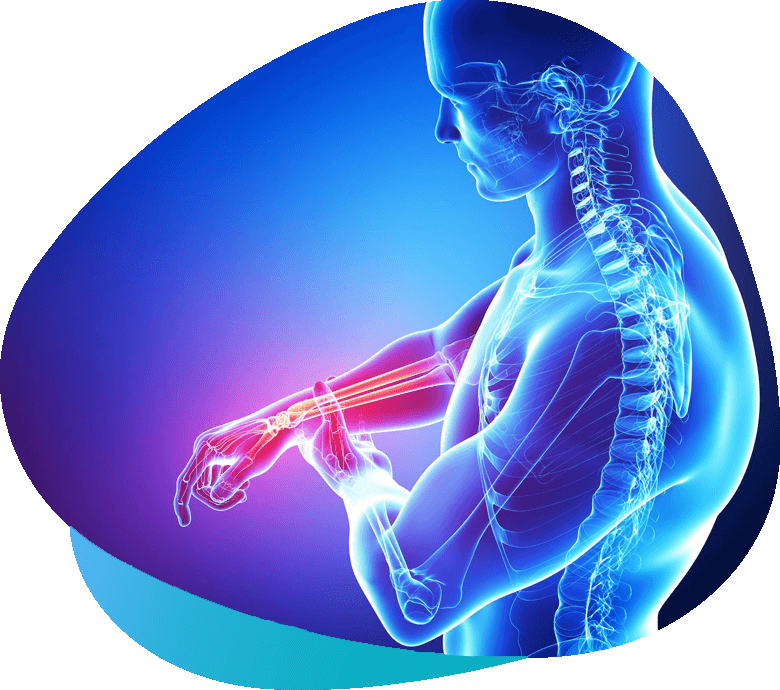
Complex Regional Pain Syndrome is a chronic and often debilitating condition that typically develops after an injury, surgery, or period of immobilisation affecting an arm, leg, hand or foot, though the pain and other changes that follow are usually far more severe and prolonged than the original injury would suggest. It involves abnormal processing of pain signals by the nervous system, along with changes to blood flow, skin and tissue in the affected limb, and it is now understood to fall on a spectrum from milder, self-limiting cases to severe, persistent presentations.
Phantom Limb Pain
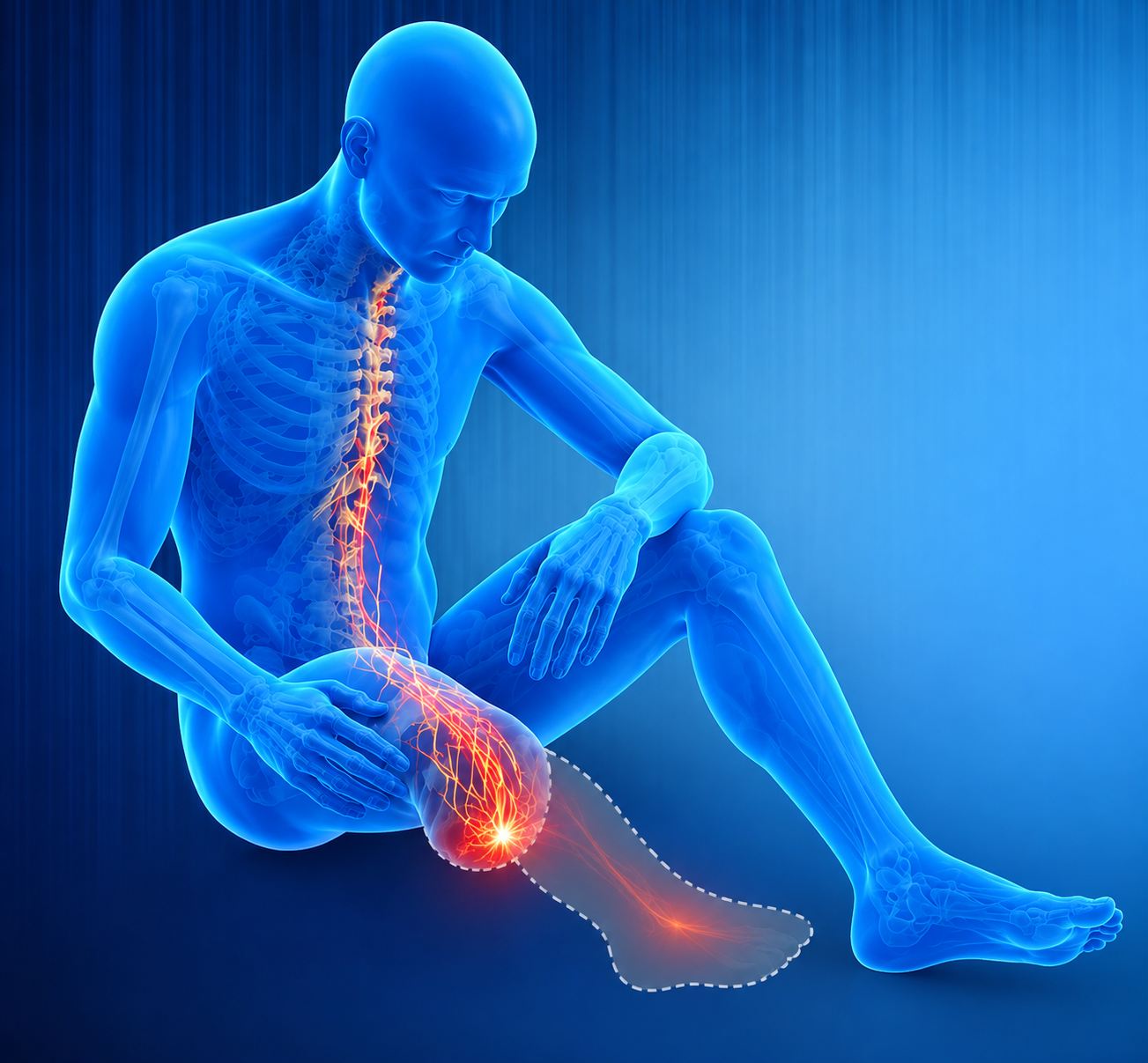
Phantom limb pain is pain that appears to originate from a limb, or part of a limb, that has been amputated. It affects a substantial proportion of people following amputation and is distinct from — though sometimes confused with — residual limb pain, which arises from the remaining tissue at the amputation site itself. Phantom pain can begin soon after surgery or emerge months to years later, and its intensity does not necessarily correlate with the reason for amputation.
Central Neuropathic Pain
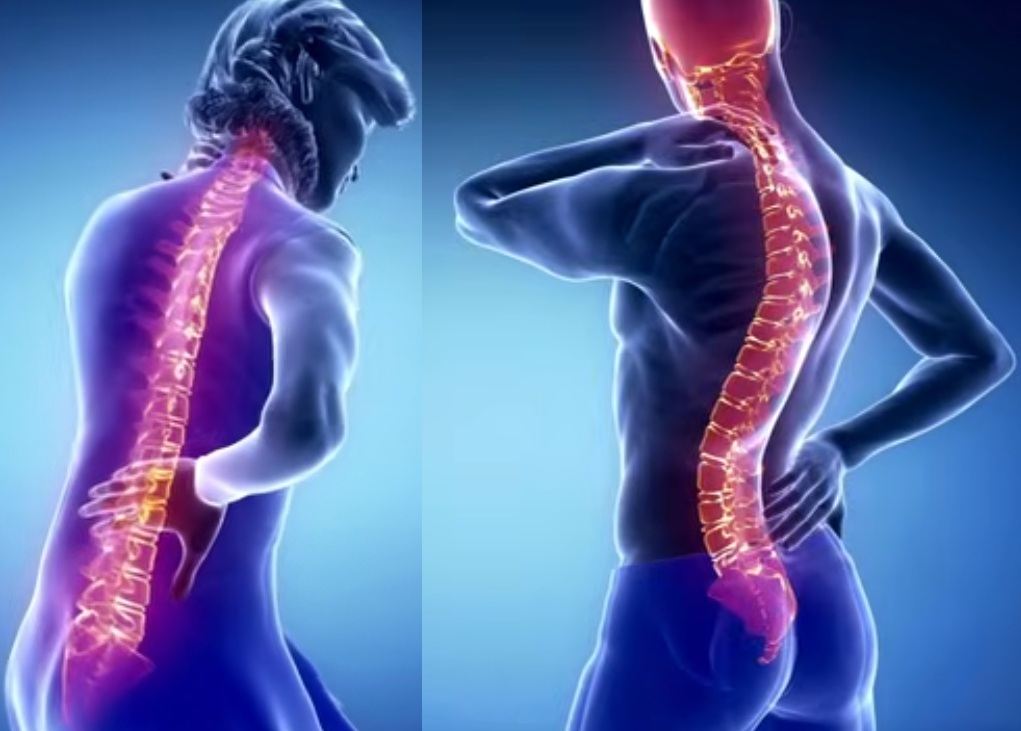
Central neuropathic pain results from a lesion or disease affecting the central somatosensory nervous system. Common examples include pain after stroke, spinal cord injury or multiple sclerosis. Patients may experience burning, electric or aching pain, abnormal sensitivity to touch or temperature, numbness and other sensory disturbances.
Widespread Pain & Central Sensitisation
Fibromyalgia
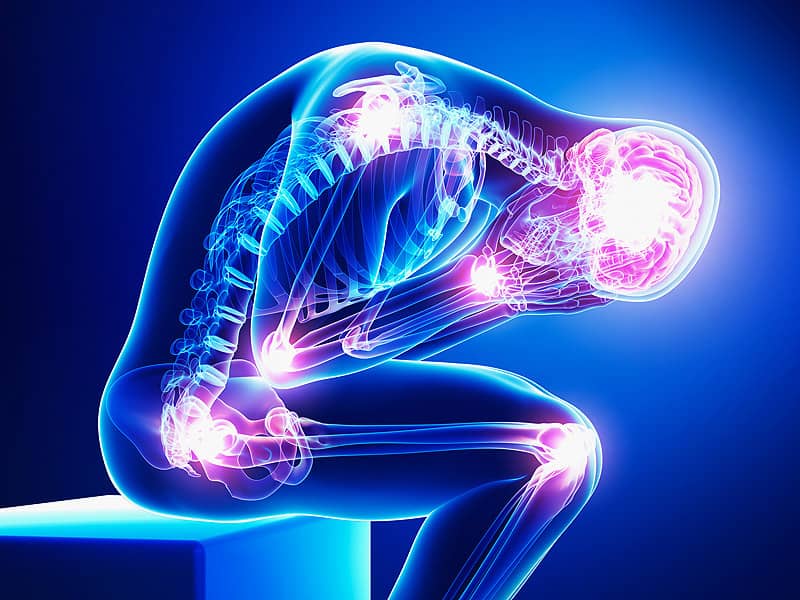
Fibromyalgia is a chronic pain condition characterised by widespread pain, fatigue, sleep disturbance and other symptoms. Contemporary models emphasise altered pain processing and nociplastic mechanisms, with contributions from biological, psychological and social factors. Central sensitisation may contribute to symptoms, but fibromyalgia should not be reduced to a single mechanism or described as being caused solely by the central nervous system.
Cancer-Related Pain
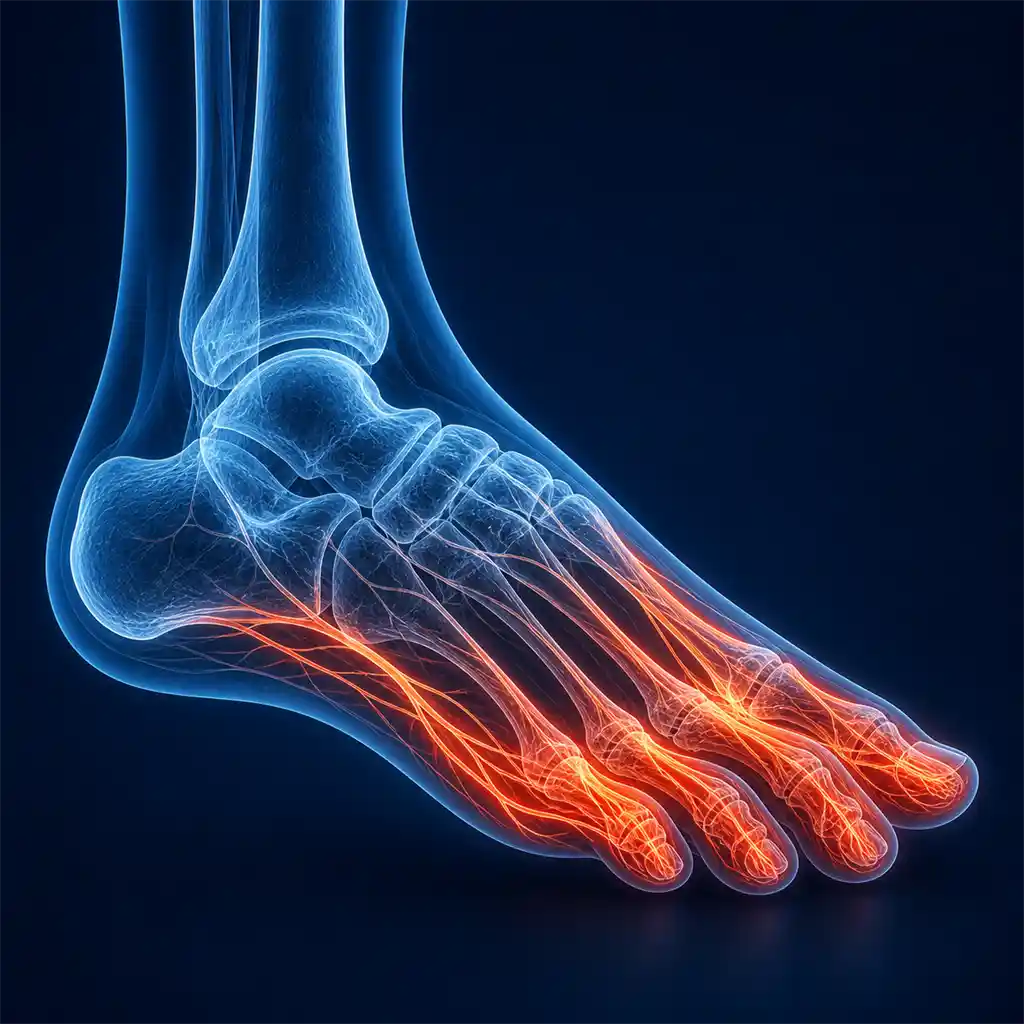
Cancer-related pain may arise from the cancer itself, including involvement of bone or internal organs, or from cancer treatment such as surgery, chemotherapy or radiotherapy. Pain may be nociceptive, neuropathic or mixed, and it can change as the disease and its treatment evolve.
Coccygeal Pain (Coccydynia)
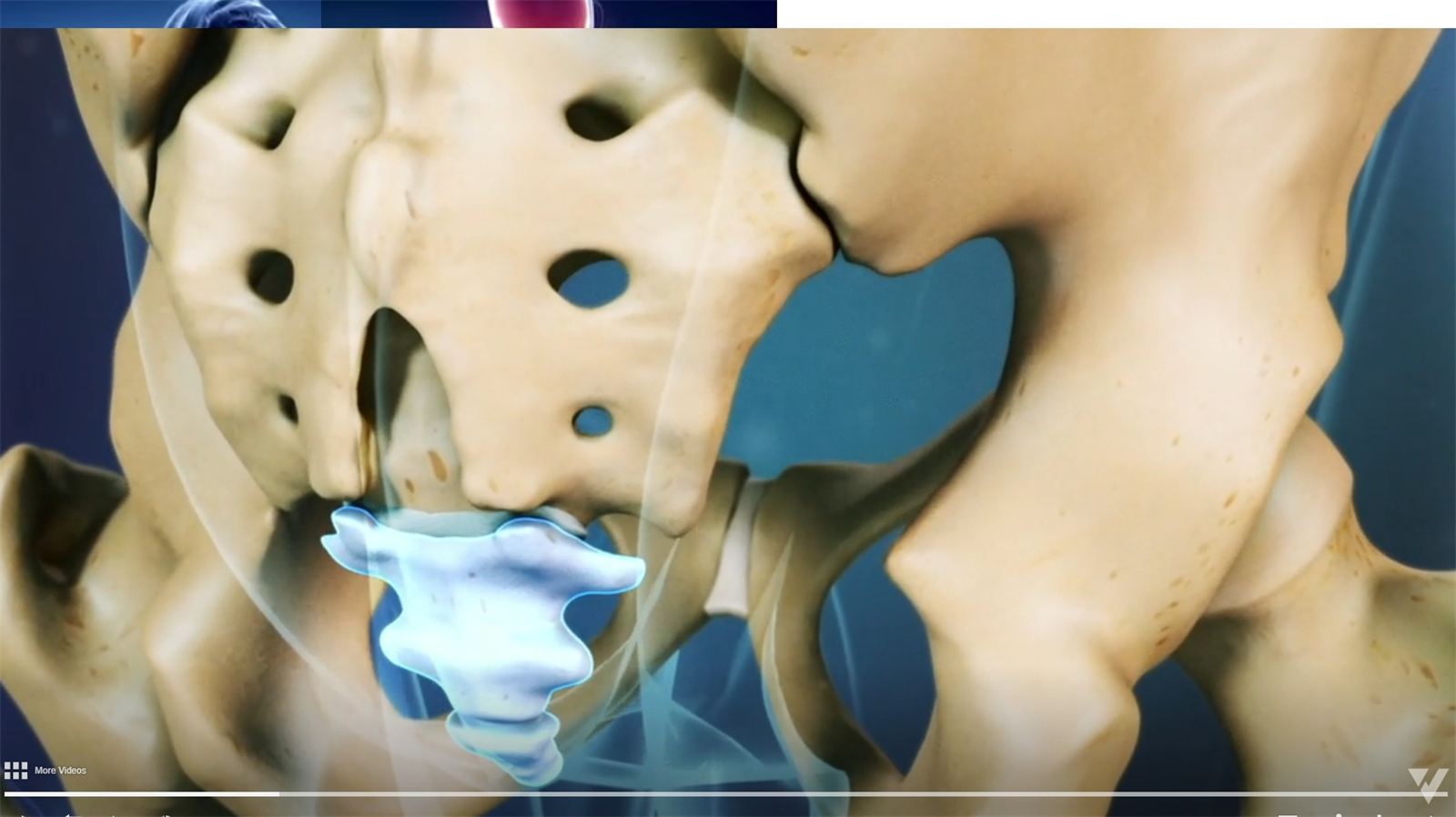
Coccydynia, or tailbone pain, is discomfort felt at the very bottom of the spine, in the small bony area you sit on called the coccyx. It's often caused by a fall onto the bottom, sitting for long periods on hard or narrow seats, childbirth, or general wear and tear over time. Sometimes there's no obvious cause at all. It's more common in women, partly because of differences in pelvic shape and the extra strain placed on this area during pregnancy and delivery.
Headache Disorders
Chronic Headache and Migraine
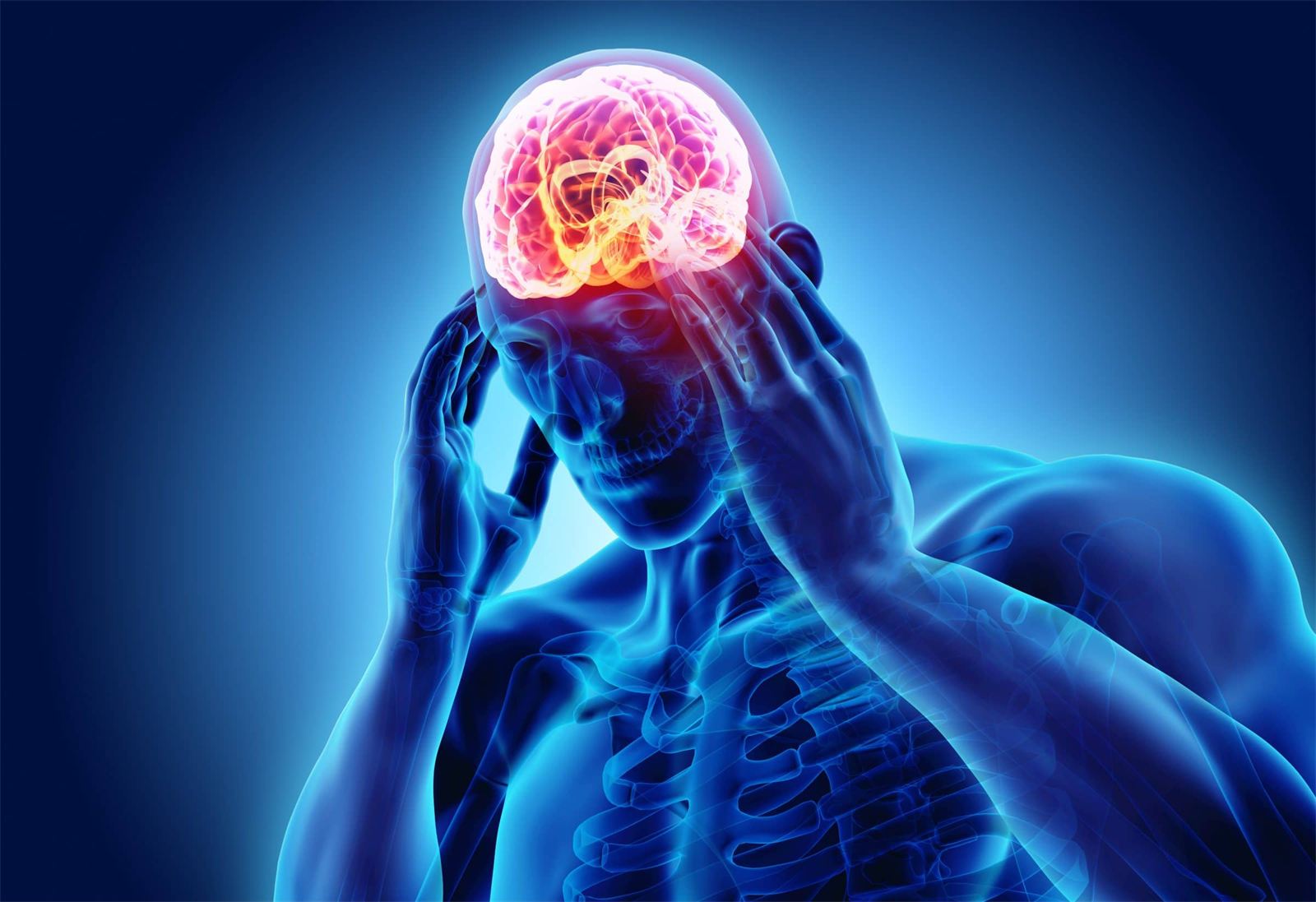
Chronic migraine and chronic tension-type headache are distinct primary headache disorders. Chronic migraine is diagnosed when headache occurs on 15 or more days per month for more than three months, with migraine features on at least eight days per month. Chronic tension-type headache also occurs on at least 15 days per month for more than three months, but has a different symptom profile. Medication-overuse headache should also be considered when frequent acute headache medicines are being used.
Temporomandibular and Chronic Orofacial Pain
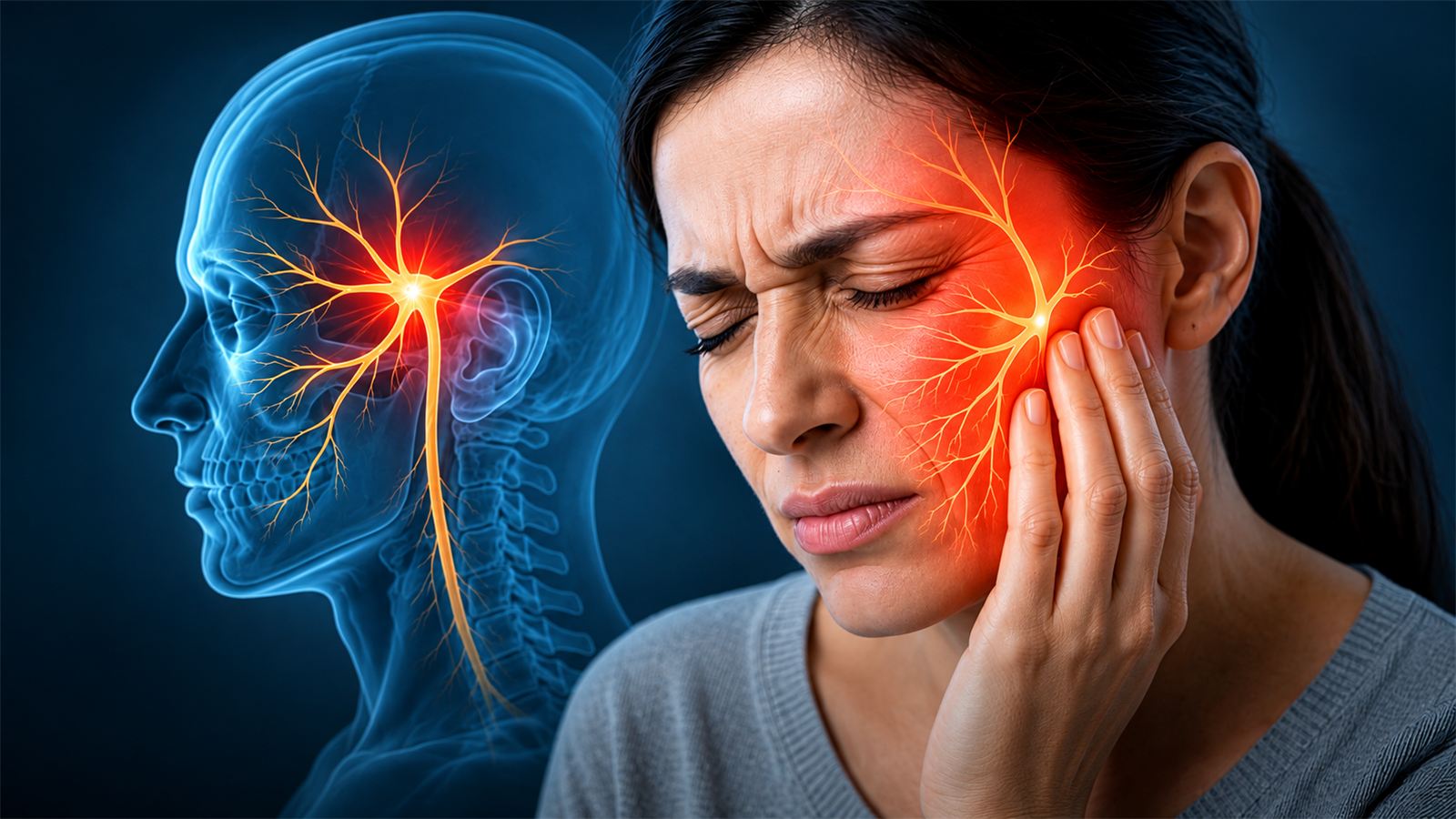
Temporomandibular and chronic orofacial pain refers to ongoing pain felt in the jaw, face, or around the ear, often linked to the jaw joint (called the TMJ) and the muscles used for chewing. It can be triggered by jaw injury, teeth grinding or clenching, arthritis, or prolonged stress on the jaw muscles, though many cases develop gradually without any single clear cause. It's one of the most common causes of facial pain, and tends to affect women more often than men, particularly during young to middle adulthood.
Other Common Presentations
Chronic Pelvic Pain
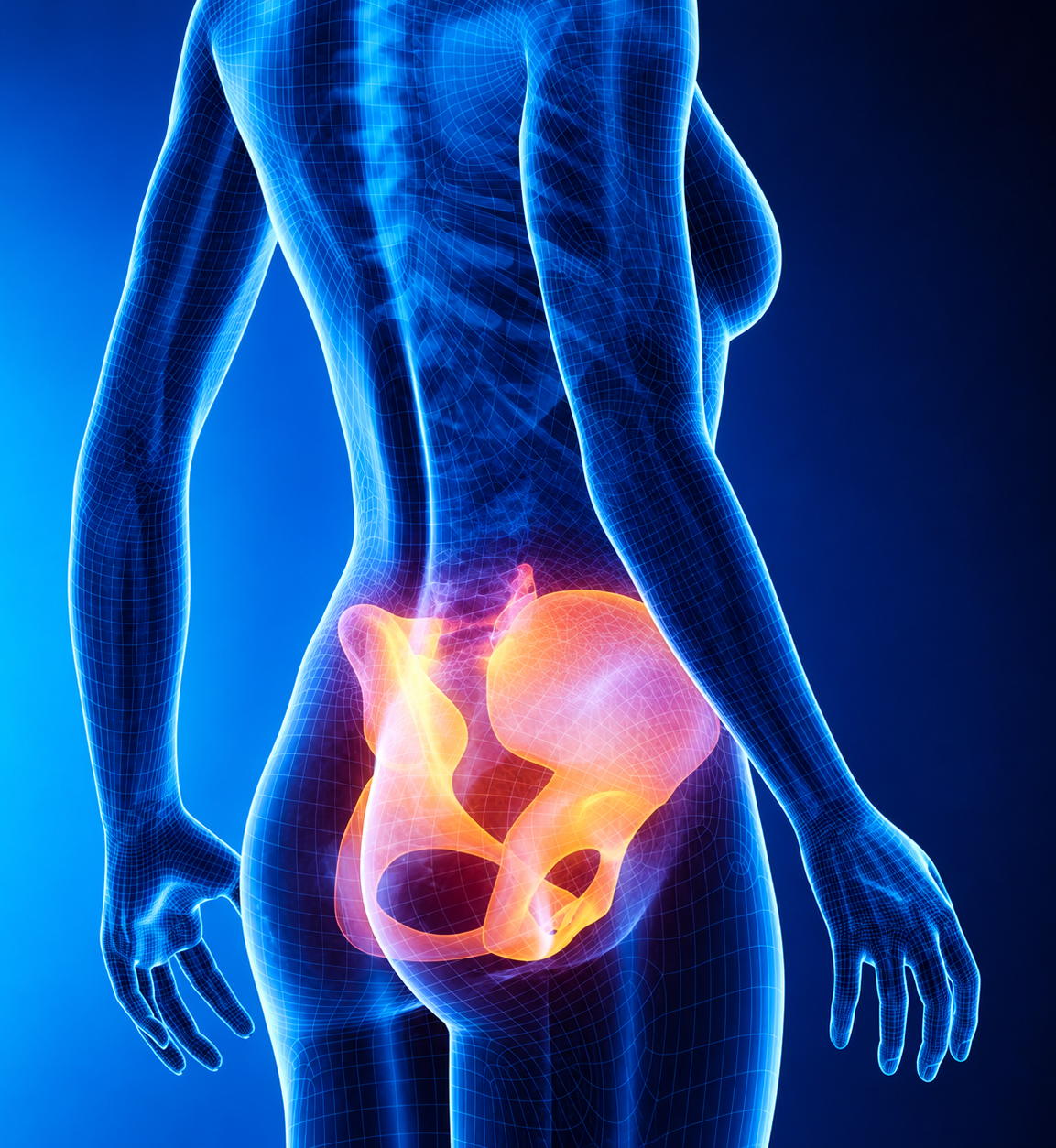
Chronic pelvic pain is persistent or recurrent pain in the pelvic region lasting more than three months and is a complex presentation that may involve gynaecological, urological, gastrointestinal, musculoskeletal, neuropathic and psychosocial contributors. It affects people of all sexes. Because multiple systems may contribute, assessment often requires collaboration between pain medicine and relevant medical or surgical specialties.
Chronic Abdominal and Visceral Pain
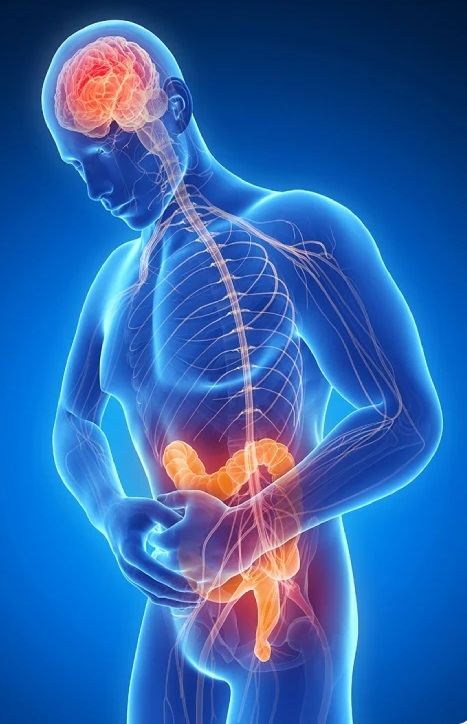
Chronic abdominal and visceral pain refers to ongoing pain felt in the belly area that lasts for three months or longer, coming from the internal organs — such as the stomach, intestines, liver, or bladder — rather than the skin or muscles. It can develop after an injury, surgery, infection, or a condition like inflammatory bowel disease or pancreatitis, but in many people no single cause is ever found. Over time, the nerves carrying pain signals from these organs can become overly sensitive, meaning pain can persist even after the original problem has healed — this is often called visceral hypersensitivity.
Persistent Post-Surgical and Post-Traumatic Pain
Persistent post-surgical pain is pain that develops or increases after surgery and persists or recurs for at least three months, when the pain cannot be better explained by another condition. It can follow many types of surgery, including hernia repair, thoracic surgery, amputation, joint replacement and spinal surgery. Persistent post-traumatic pain similarly continues or recurs beyond three months after an injury.