Understanding Chronic Pain
Patient education and resources to help you understand your pain and take an active role in your recovery. Chronic pain is real, and it does not necessarily mean that there is ongoing damage in your body — there are many things you can do, together with your healthcare team, to reduce pain and improve your quality of life.
Hover over a topic’s name or picture for a moment to read more about it, or click through for the videos and resources.
Understanding Pain
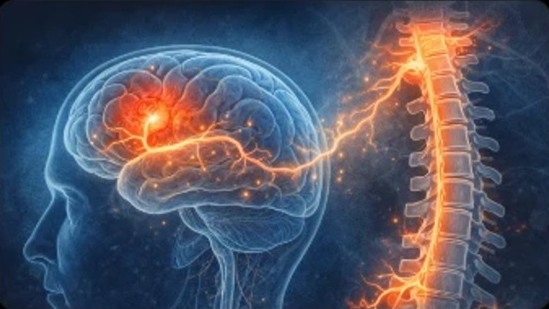
Understanding Chronic Pain
A good place to start. Short introductions to the modern understanding of chronic (persistent) pain – what it is, why it can continue after tissues have healed, and why an active, whole-person approach helps.
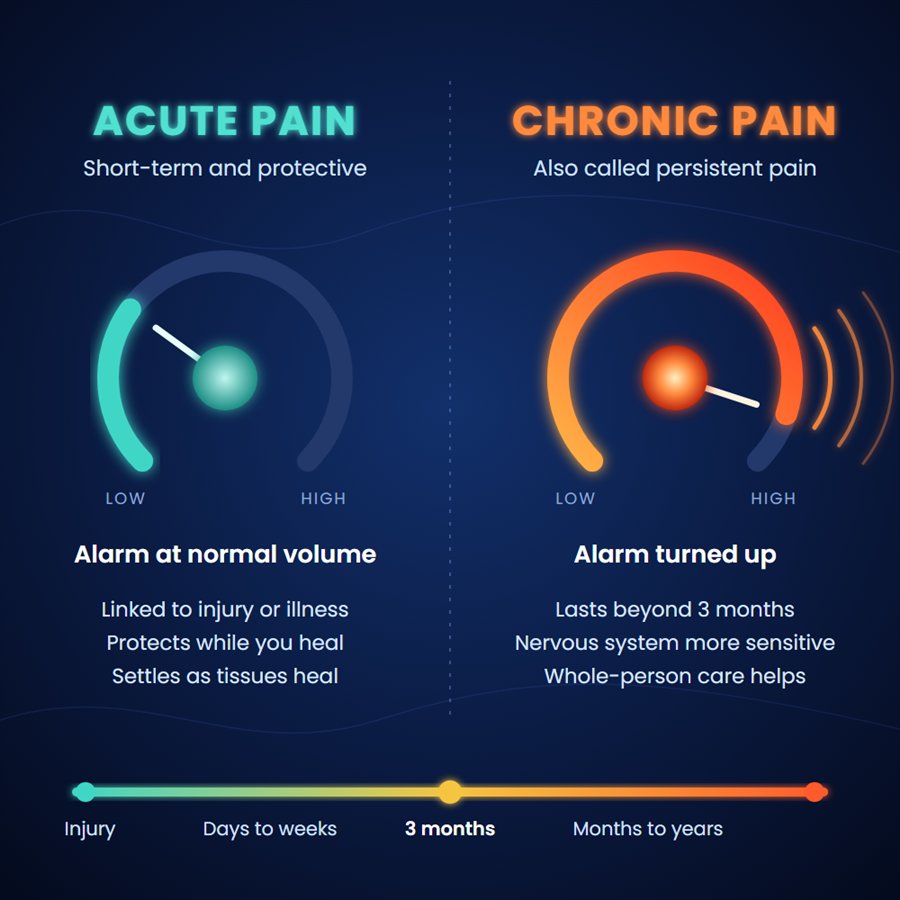
Acute Pain vs Chronic Pain
Acute pain is a short-term alarm that protects you while the body heals. Chronic pain continues beyond about three months and can behave differently – often because the nervous system has become more sensitive.
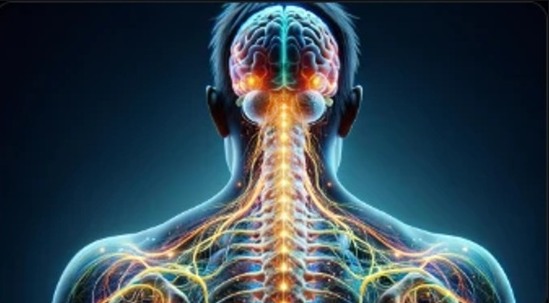
The Nervous System and Pain
With ongoing pain, the nervous system can “turn up the volume” (sensitisation). The good news is that it can also change in helpful ways – the basis of recovery.
How Pain Affects Life
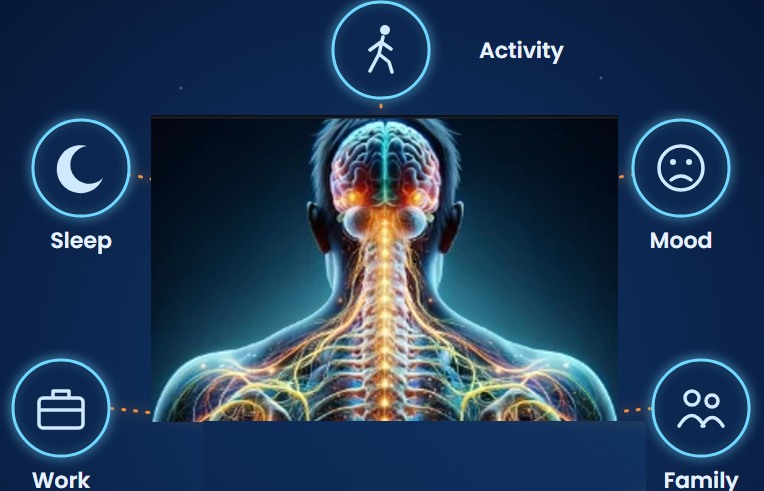
How Chronic Pain Affects Life
Chronic pain can affect movement, sleep, mood, work and relationships. That is why good care looks after the whole person, not only the painful area.
Pain, Stress and Emotions
Your pain is real. How the nervous system processes pain is also influenced by stress, worry and mood – and skills such as relaxation can help calm it.
Pain and Sleep
Sleep problems are very common with chronic pain, and poor sleep can make pain feel worse. Improving sleep habits is a practical way to support pain management.
What Helps
Movement, Exercise and Function
Regular, gradual movement is one of the most helpful things you can do for chronic pain – starting at a comfortable level, building up slowly, and planning for flare-ups.
What Helps
Evidence-informed pain management is active and multidisciplinary, combining medical care with movement, sleep, lifestyle, emotional wellbeing and social connection.
Free Online Programs
Structured Australian online courses that teach practical skills for managing pain and its effects on mood and daily life.
These resources are provided for general patient education and are not a substitute for an individual medical assessment or treatment plan. Persistent pain can have many causes, and the most appropriate management depends on the individual. If you have new, severe or changing symptoms, discuss them with your doctor or treating health professional. The videos and websites listed are produced by other organisations; links open on the external website.