Complex Regional Pain Syndrome (CRPS)
|
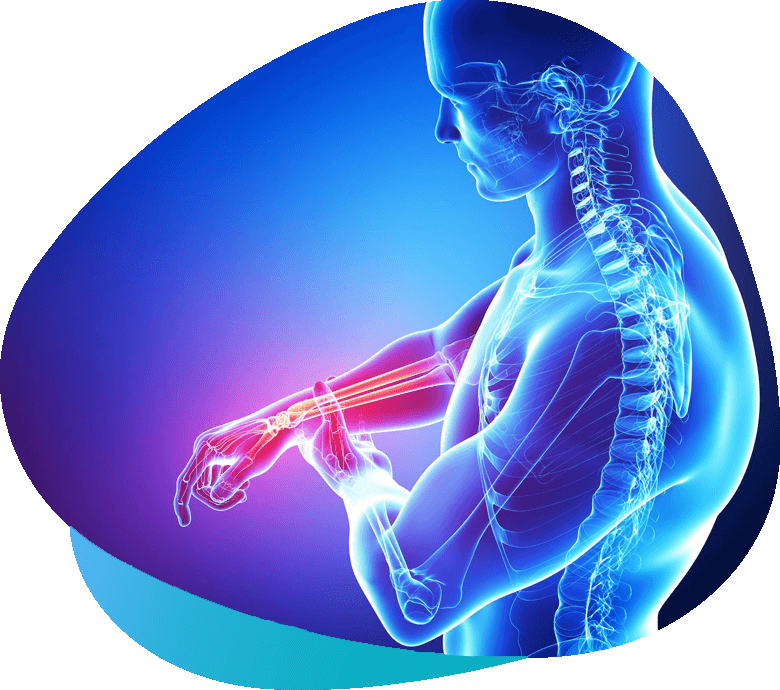
Complex Regional Pain Syndrome is a chronic and often debilitating condition that typically develops after an injury, surgery, or period of immobilisation affecting an arm, leg, hand or foot, though the pain and other changes that follow are usually far more severe and prolonged than the original injury would suggest. It involves abnormal processing of pain signals by the nervous system, along with changes to blood flow, skin and tissue in the affected limb, and it is now understood to fall on a spectrum from milder, self-limiting cases to severe, persistent presentations. The hallmark features include persistent burning or throbbing pain in the affected limb that is disproportionate to the original injury, along with visible changes such as skin colour or temperature differences, swelling, sensitivity to touch, and changes in hair or nail growth. Many patients also develop stiffness, weakness, or reduced coordination in the limb over time, which can compound the disability caused by pain alone if not addressed early. Early, active treatment and restoration of movement and function are important, particularly in the early stages, but the course of CRPS varies considerably between individuals and some cases improve substantially without progressing to chronic severe disease. Treatment is guided by the Budapest clinical criteria and may include graded rehabilitation, desensitisation, psychological support and selected medications or sympathetic blocks. Mirror therapy and graded motor imagery may help some patients, although evidence varies. Spinal cord or dorsal root ganglion stimulation can be considered for carefully selected patients with persistent, function-limiting CRPS despite comprehensive conservative treatment. |
|