Chronic Pelvic Pain
|
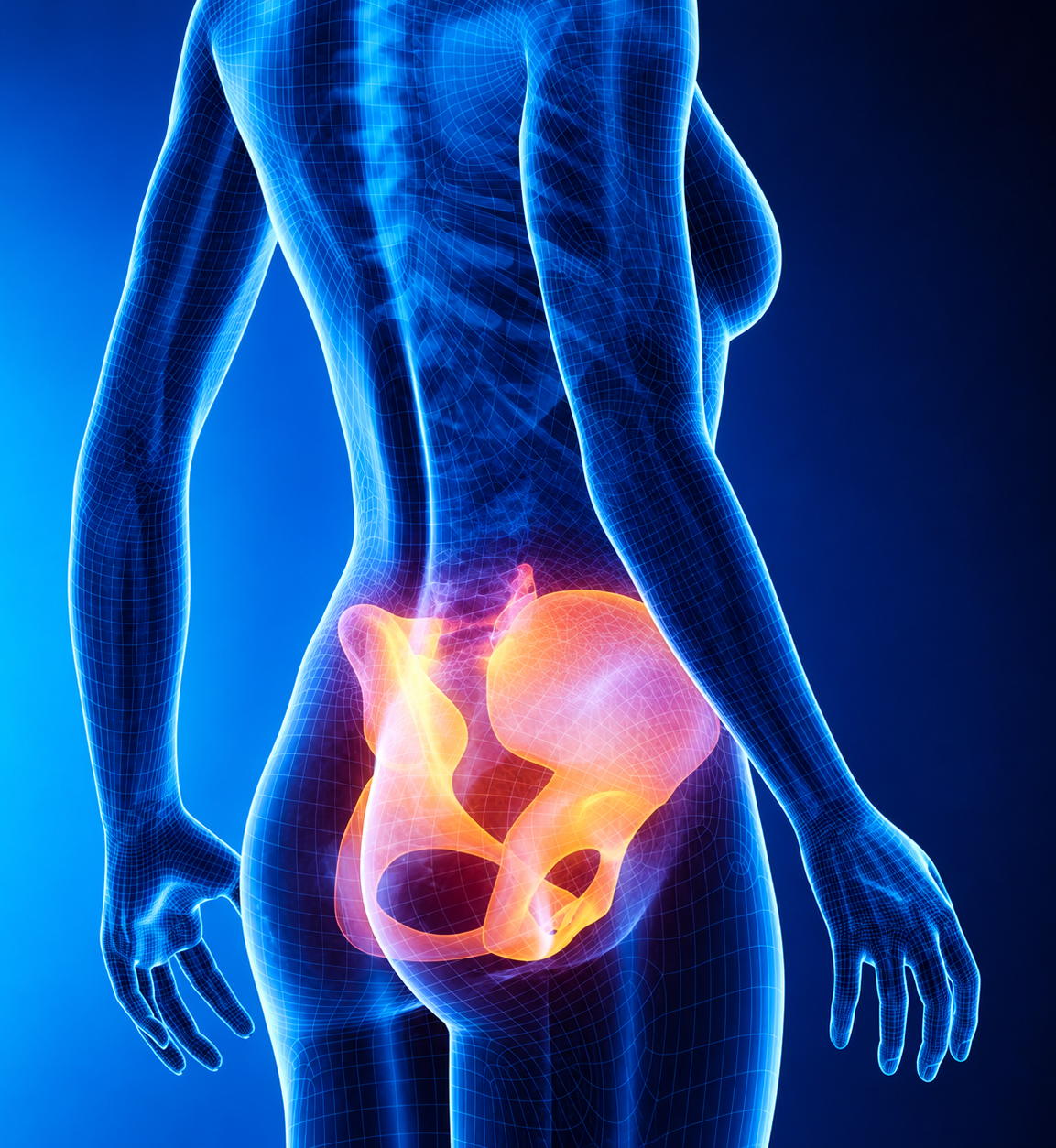
Chronic pelvic pain is persistent or recurrent pain in the pelvic region lasting more than three months and is a complex presentation that may involve gynaecological, urological, gastrointestinal, musculoskeletal, neuropathic and psychosocial contributors. It affects people of all sexes. Because multiple systems may contribute, assessment often requires collaboration between pain medicine and relevant medical or surgical specialties. Symptoms vary widely and can include pelvic or lower abdominal pain, pain with intercourse, urinary or bowel symptoms, pain related to menstruation, pelvic-floor muscle tenderness or neuropathic pain. Conditions such as endometriosis, bladder pain syndrome, irritable bowel syndrome, pelvic-floor disorders and nerve-related pain may coexist or overlap. The aim of assessment is to identify treatable contributors without assuming that a single organ or structure is responsible for all symptoms. Treatment is individualised and multidisciplinary. Depending on the cause, this may include pelvic-floor physiotherapy, treatment of an underlying gynaecological, urological or gastrointestinal disorder, appropriate medication, psychological therapies and selected image-guided nerve or other pain procedures. Care is most effective when the different clinicians involved communicate and work from a coordinated management plan. |
|