Osteoarthritis
|
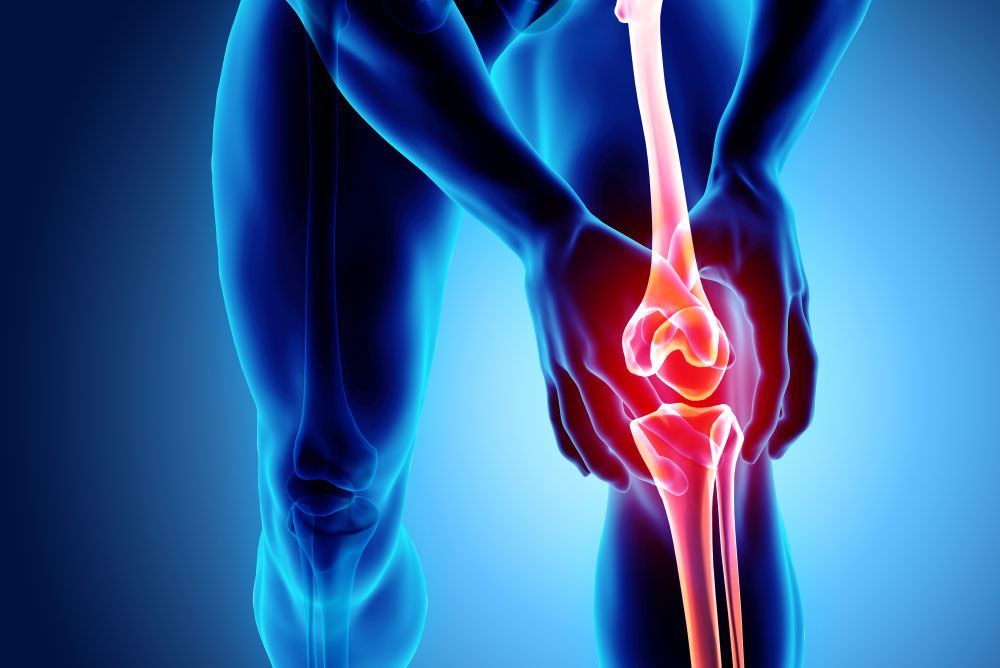
Osteoarthritis is a chronic disorder of joints involving changes to cartilage, subchondral bone, synovium and other joint tissues. It is common in the knees, hips, hands and other joints and becomes more prevalent with age, while previous injury, joint loading, genetics and body composition can also influence risk. Structural changes and pain do not always correspond closely, so treatment is guided by symptoms and function rather than imaging alone. Typical symptoms include joint pain related to activity or load, stiffness after inactivity, reduced range of motion and sometimes swelling or crepitus. Symptoms can fluctuate and may have periods of flare and relative improvement. The effect on walking, stairs, work, sleep and other activities is often more important than the degree of radiographic change. Management centres on exercise and strengthening, physical activity, weight management where relevant, education and strategies to support joint function. Topical or oral medicines may be appropriate for selected patients. Intra-articular corticosteroid injections can provide short-term relief in some joints; evidence for platelet-rich plasma and hyaluronic-acid/viscosupplementation varies by joint, product and guideline, so these should not be presented as universally effective treatments. Radiofrequency techniques may have a role in selected chronic joint pain, while advanced structural disease may require orthopaedic assessment. |
|