Coccygeal Pain (Coccydynia)
|
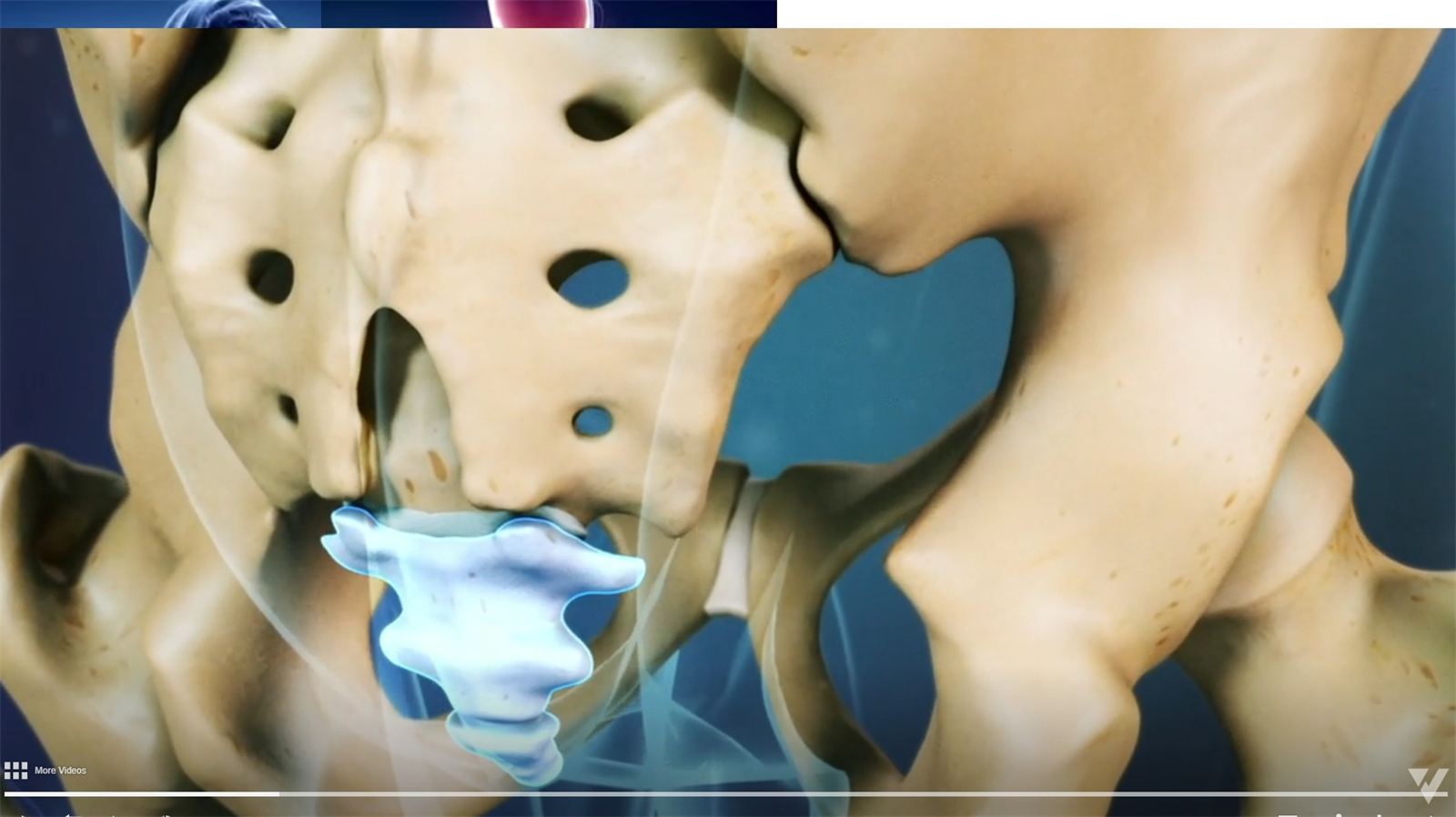
Coccydynia, or tailbone pain, is discomfort felt at the very bottom of the spine, in the small bony area you sit on called the coccyx. It's often caused by a fall onto the bottom, sitting for long periods on hard or narrow seats, childbirth, or general wear and tear over time. Sometimes there's no obvious cause at all. It's more common in women, partly because of differences in pelvic shape and the extra strain placed on this area during pregnancy and delivery. The main symptom is pain right at the tailbone that gets worse when sitting, especially on hard surfaces or when leaning back, and usually feels better when standing or sitting tilted forward onto one side. Pain can also flare up when going from sitting to standing, during bowel movements, or during sex. Pressing directly on the tailbone often reproduces the pain, which helps doctors tell it apart from other causes of lower back or pelvic pain. Scans aren't usually needed to make the diagnosis — doctors can often tell it's coccydynia based on symptoms and a simple exam — but they're sometimes used to rule out other problems or get a clearer picture of what's going on. X-rays taken while sitting and standing can show if the tailbone is moving abnormally or sitting at an unusual angle, while an MRI can pick up bruising, a fracture, or, rarely, a growth. Most cases improve with simple measures: avoiding prolonged sitting, using a cushioned or donut-shaped seat pad, taking anti-inflammatory pain relief, and physical therapy for the surrounding muscles. If the pain doesn't settle, further options include injections to numb or calm the area, a nerve block, or, in rare long-term cases, surgery to remove the coccyx. |
|