Whiplash-Associated Disorder
|
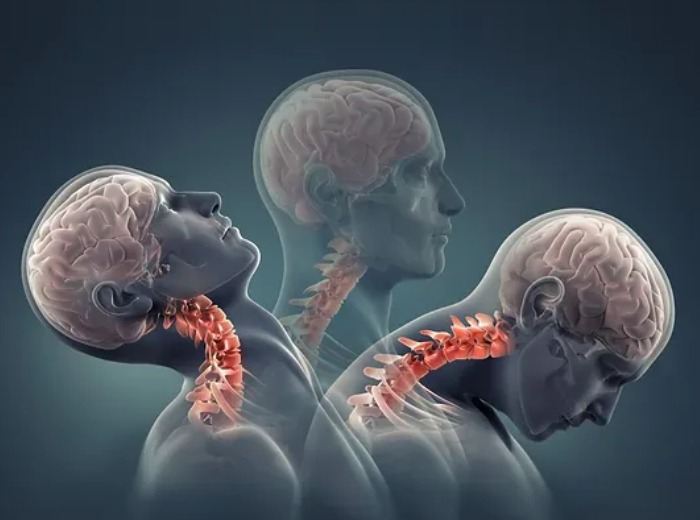
Whiplash-associated disorder develops after a sudden acceleration-deceleration injury to the neck, most commonly from a motor vehicle collision, though falls and sporting injuries can produce the same pattern. While many people recover within weeks, a significant proportion go on to develop persistent symptoms lasting months or years, at which point the condition is managed as a chronic pain presentation in its own right rather than simply an unresolved acute injury. Patients commonly report neck pain and stiffness, headaches and, in some cases, symptoms extending into the shoulder or arm. Dizziness and visual symptoms can occur after whiplash but are non-specific and should not automatically be attributed to the neck injury. Psychological factors, sleep disturbance, pain-related fear and the circumstances surrounding an injury can influence recovery, but they should be assessed without assuming that symptoms are primarily psychological. Early, active management is generally preferred, with reassurance, education, graded activity and physiotherapy forming the foundation of care. Medication may be used when appropriate. For selected patients in whom a specific pain generator such as cervical facet-mediated pain is identified, targeted interventions including medial branch blocks or radiofrequency treatment may be considered. Persistent disability may benefit from a multidisciplinary rehabilitation approach addressing physical, psychological and social contributors. |
|