Phantom Limb Pain
|
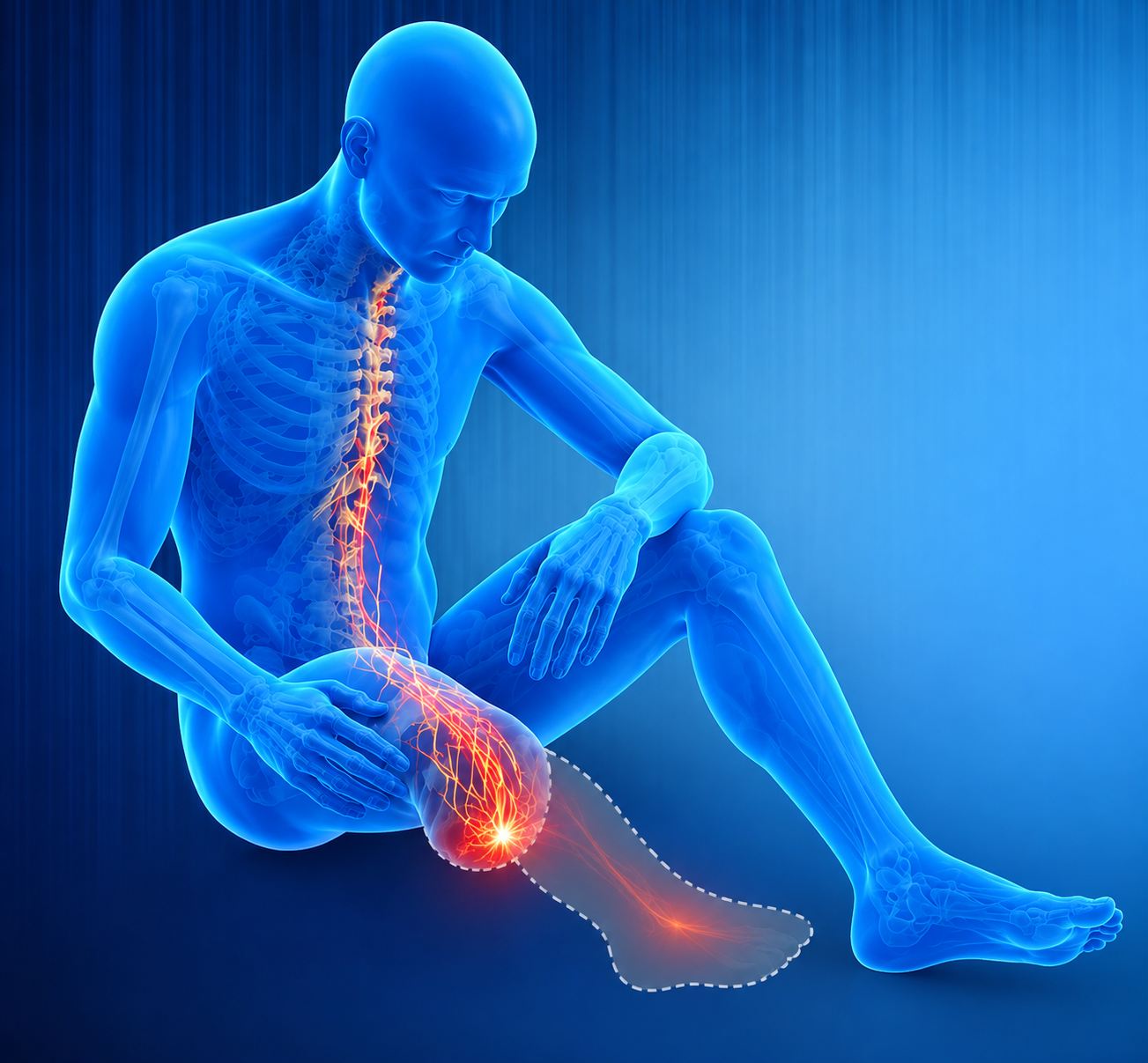
Phantom limb pain is pain that appears to originate from a limb, or part of a limb, that has been amputated. It affects a substantial proportion of people following amputation and is distinct from — though sometimes confused with — residual limb pain, which arises from the remaining tissue at the amputation site itself. Phantom pain can begin soon after surgery or emerge months to years later, and its intensity does not necessarily correlate with the reason for amputation. Patients typically describe the pain as originating in the missing limb in a way that feels vivid and real, often burning, cramping, shooting or crushing in character, and it can be triggered or worsened by stress, weather changes, or pressure on the residual limb. The condition arises from complex changes in how the nervous system and brain process signals after the loss of normal input from the limb, which explains why treatment often needs to address both the peripheral nerves and central pain processing. Management typically combines neuropathic pain medication with mirror therapy, which uses visual feedback to help “retrain” the brain's perception of the limb, alongside graded motor imagery techniques. Targeted nerve blocks or pulsed radiofrequency treatment of residual limb nerves can help when a specific painful neuroma or nerve is identified, and for more persistent cases, spinal cord stimulation or dorsal root ganglion stimulation are established options. A well-fitted prosthesis and structured rehabilitation also play an important role in reducing both phantom and residual limb pain over time. |
|