Trigeminal Neuralgia
|
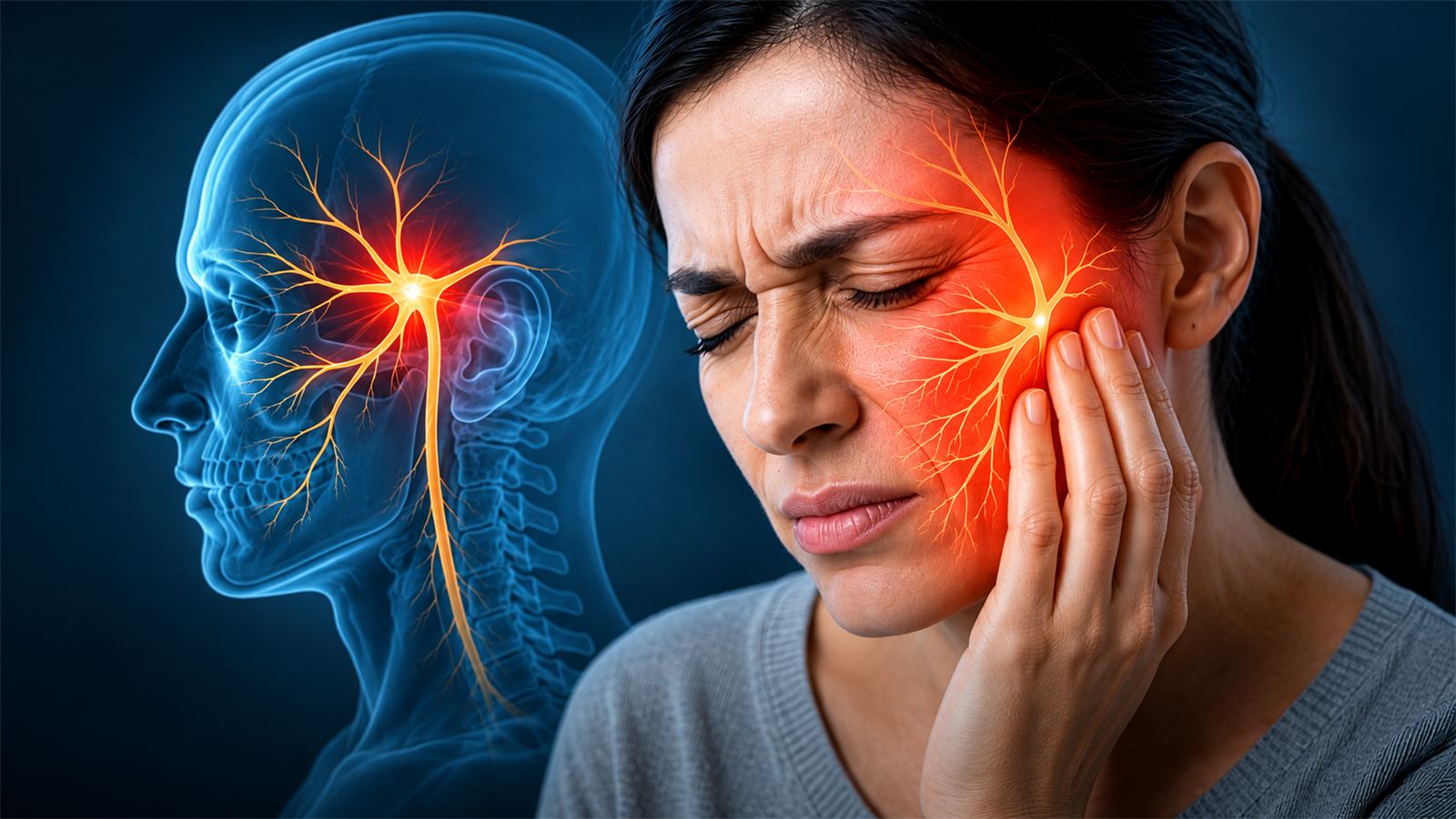
Trigeminal neuralgia is a distinctive facial pain condition affecting the trigeminal nerve, which supplies sensation to most of the face. It causes sudden, severe episodes of pain that are among the most intense recognised in medicine, and while relatively uncommon, it has a profound impact on quality of life given how frequently episodes can recur and how ordinary everyday actions can trigger them. Patients describe brief, shock-like or stabbing pain, usually on one side of the face, lasting seconds to a couple of minutes but recurring many times a day in some cases. Episodes are frequently triggered by light touch, chewing, talking, brushing teeth or even a breeze on the face, which leads many patients to avoid these ordinary activities altogether. The condition most often results from a blood vessel compressing the trigeminal nerve near the brainstem, though it can occasionally be associated with other underlying neurological conditions, which is why appropriate imaging is an important part of assessment. Medication is the first-line treatment, with anticonvulsants such as carbamazepine or oxcarbazepine being particularly effective for this specific type of nerve pain. For patients whose pain is not adequately controlled with medication, or who experience troublesome side effects, a trigeminal ganglion block can provide meaningful relief, and referral for consideration of neurosurgical options, such as microvascular decompression, may be appropriate for carefully selected patients with a confirmed vascular cause. |
|