Persistent Spinal Pain Syndrome (Failed Back Surgery Syndrome)
|
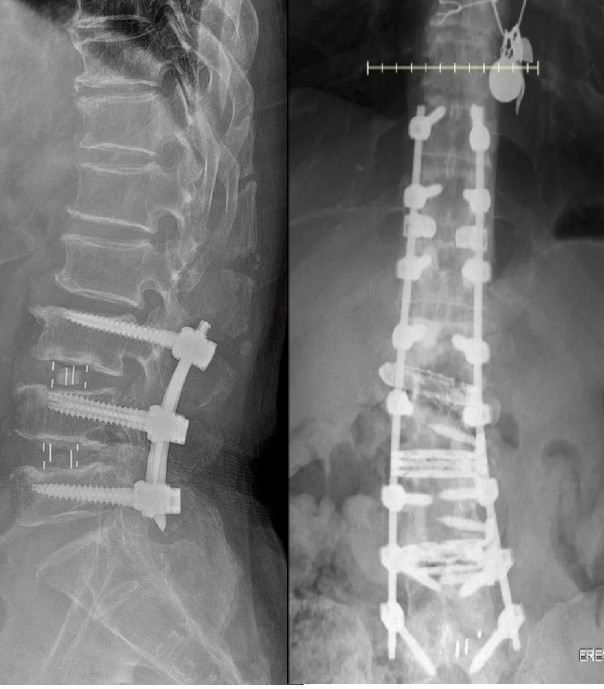
Persistent spinal pain syndrome, historically known as failed back surgery syndrome, describes ongoing or recurrent pain following spinal surgery that was intended to relieve it. It does not necessarily mean the surgery was performed incorrectly — spinal surgery addresses a specific structural problem, but pain can persist due to scar tissue formation, a new or adjacent-level problem, nerve injury, or because more than one pain generator was present from the outset. Presentations vary widely depending on the original surgery and can include ongoing back pain, radiating leg pain, or a combination of both, sometimes alongside new neuropathic symptoms such as burning or tingling that were not present before the operation. Because the spinal anatomy has been altered by surgery, careful reassessment — including a review of the original imaging and surgical findings — is essential to understand exactly what is driving the current symptoms before further treatment is planned. Management is genuinely multidisciplinary and tailored to the individual cause: physiotherapy and pacing remain foundational, while neuropathic medications are often needed given the frequent nerve involvement. Targeted injections can address specific residual pain generators, and for patients with predominantly neuropathic leg pain that has not responded to other measures, spinal cord stimulation is a well-established option that can substantially reduce pain and improve quality of life. Psychological support is frequently a valuable part of care, given the understandable frustration of ongoing pain after surgery. |
|