Post-Herpetic Neuralgia
|
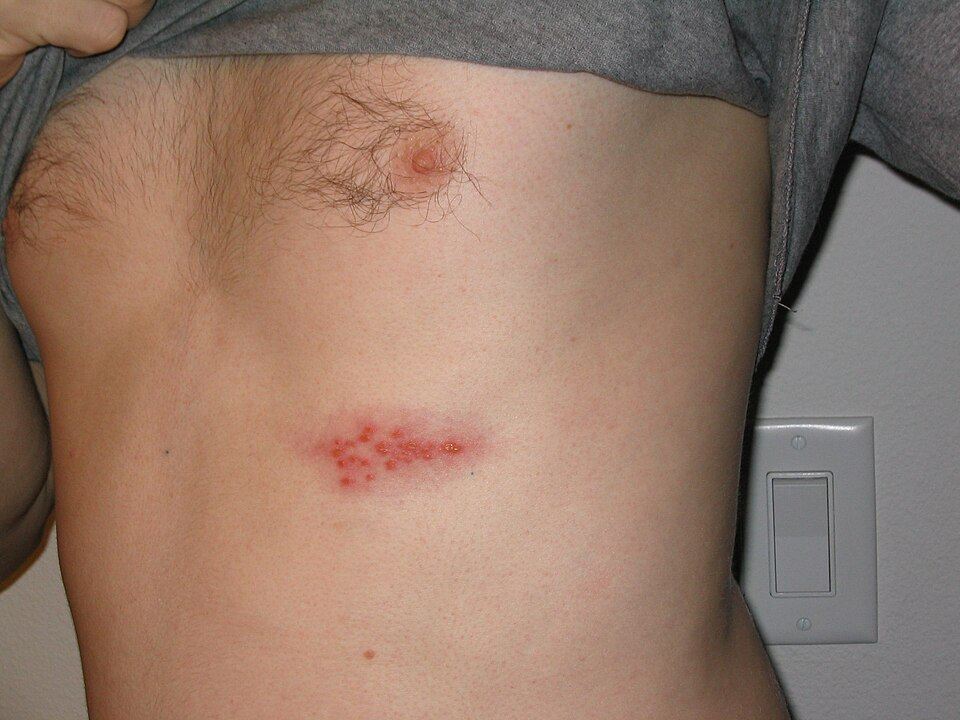
Post-herpetic neuralgia is persistent nerve pain that continues in the area of a shingles rash after the rash itself has healed, typically diagnosed when pain persists beyond three months from the initial outbreak. It occurs because the varicella-zoster virus, reactivating from previous chickenpox infection, damages the affected nerve as it travels along its path, and the risk increases significantly with age, making it a particularly common presentation in older patients. The pain is classically described as burning, stabbing or electric-shock-like, and the affected skin is often exquisitely sensitive, to the point that light clothing or a gentle breeze can be intensely uncomfortable — a phenomenon known as allodynia. The pain follows the distribution of the originally affected nerve, most commonly on the torso or face, and can be severe enough to significantly disrupt sleep, mood and daily activities if not adequately treated. First-line treatment involves neuropathic medications such as pregabalin, gabapentin or tricyclic antidepressants, often combined with topical agents applied directly to the sensitive skin. For patients with pain that remains difficult to control, targeted nerve blocks can provide significant relief, and pulsed radiofrequency treatment of the affected nerve is a further option for persistent cases. Early and adequate treatment of the initial shingles episode, along with shingles vaccination where appropriate, remains the most effective way to reduce the risk of this condition developing in the first place. |
|