Temporomandibular and Chronic Orofacial Pain
|
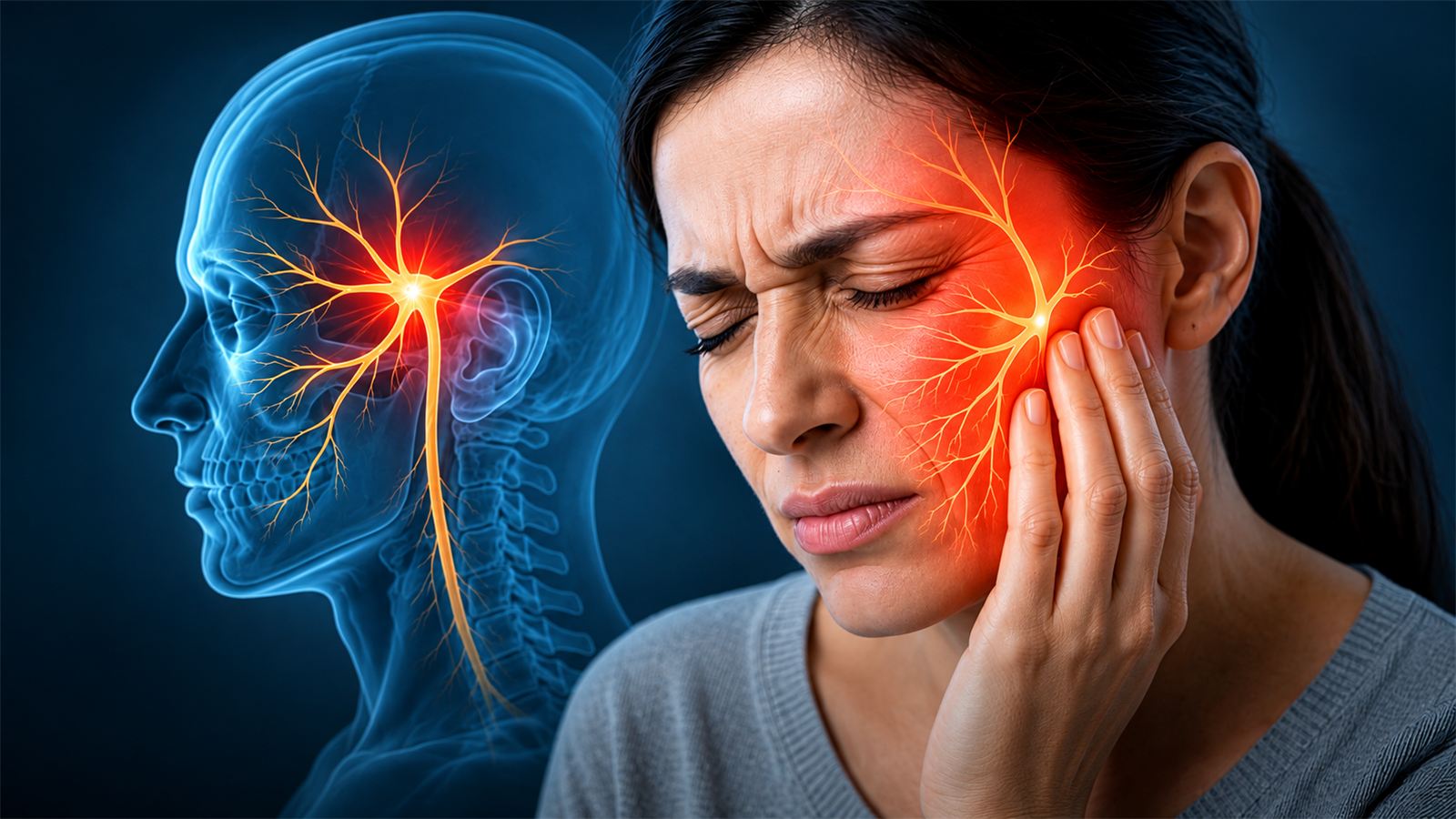
Temporomandibular and chronic orofacial pain refers to ongoing pain felt in the jaw, face, or around the ear, often linked to the jaw joint (called the TMJ) and the muscles used for chewing. It can be triggered by jaw injury, teeth grinding or clenching, arthritis, or prolonged stress on the jaw muscles, though many cases develop gradually without any single clear cause. It's one of the most common causes of facial pain, and tends to affect women more often than men, particularly during young to middle adulthood. People with this condition often notice pain or tenderness in front of the ear, along the jawline, or in the temples, which can worsen with chewing, yawning, or talking. Other common signs include clicking, popping, or grinding sounds when opening the mouth, jaw stiffness or difficulty opening wide, and headaches that feel similar to tension headaches. Some people also experience ear symptoms such as ringing or a feeling of fullness, even though the ear itself is healthy, because the jaw joint sits so close to it. Imaging isn't always necessary and is mainly used when symptoms are severe, persistent, or don't respond to simple treatment, since the diagnosis is usually made from a person's history and a physical exam of the jaw. When imaging is used, an MRI can show the position and condition of the small cushioning disc inside the jaw joint, while a CT scan or specialised dental X-ray can assess the bone itself for wear, damage, or arthritis. Treatment typically starts conservatively, with rest, a soft diet, heat or ice, gentle jaw stretches, and a custom night guard to reduce clenching or grinding. If symptoms continue, additional options can include physical therapy, medications to relax the muscles or reduce nerve-related pain, injections into the jaw joint or muscles, and, in a small number of persistent cases, specialised procedures or surgery on the joint itself. |
|