Chronic Abdominal and Visceral Pain
|
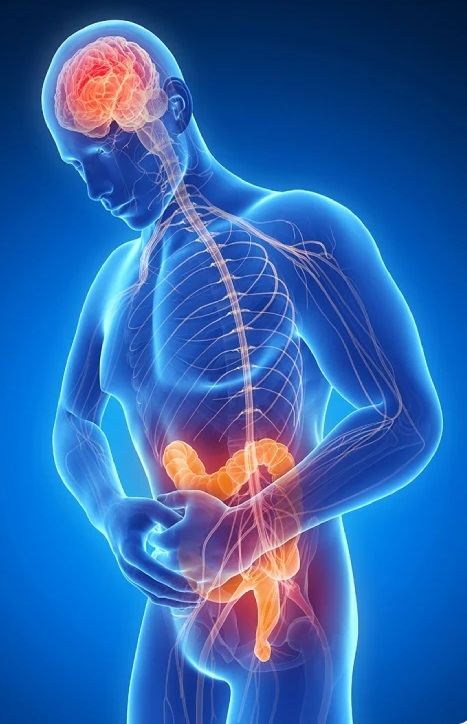
Chronic abdominal and visceral pain refers to ongoing pain felt in the belly area that lasts for three months or longer, coming from the internal organs — such as the stomach, intestines, liver, or bladder — rather than the skin or muscles. It can develop after an injury, surgery, infection, or a condition like inflammatory bowel disease or pancreatitis, but in many people no single cause is ever found. Over time, the nerves carrying pain signals from these organs can become overly sensitive, meaning pain can persist even after the original problem has healed — this is often called visceral hypersensitivity. The pain is often described as a deep, dull ache, cramping, or pressure that's harder to pinpoint than pain from a muscle or joint, and it may come and go or shift location. Common triggers include eating, stress, or certain movements, and it's often accompanied by bloating, nausea, changes in bowel habits, or fatigue. Because the pain can be out of proportion to what's found on tests, it can be frustrating for patients and difficult to diagnose, sometimes leading to multiple specialist visits before a clear explanation emerges. Imaging and other tests are mainly used to rule out serious underlying conditions rather than to confirm chronic visceral pain itself, since standard scans often look normal even when the pain is very real. Ultrasound, CT, or MRI scans may be used to check the organs for structural problems, while endoscopy or colonoscopy can look directly inside the digestive tract. Treatment usually takes a multi-pronged approach: addressing any underlying condition first, then combining pain-modulating medications (which work on nerve sensitivity rather than just inflammation), dietary changes, stress management, and pelvic or abdominal physical therapy. For more difficult cases, options can include targeted nerve blocks, psychological support such as gut-directed therapy, or referral to a specialized pain program. |
|